First Russian Diesel Tanker Since 2023 Heads to New York Under Trump-Putin Deal
A tanker carrying 40,000 tons of Russian diesel is due in New York on Nov. 7 — the first such U.S. delivery since July 2023, under Trump's deal with Putin.
By Nathan Brooks
3 min read
What's News
- First U.S.-bound Russian diesel tanker since July 2023 arrives in New York Nov. 7, per Kpler.
- Maiden shipment is 40,000 tons — about 300,000 barrels, or 7% of one day of U.S. diesel consumption.
- Zelenskyy called Trump's diesel deal "a weak decision by strong partners."
- Deal came weeks after Trump signed sanctions allowing up to 100% tariffs on top importers of Russian oil and gas, then paused them.
- Trump says millions more tons of Russian diesel will follow in coming months.
By Nathan Brooks
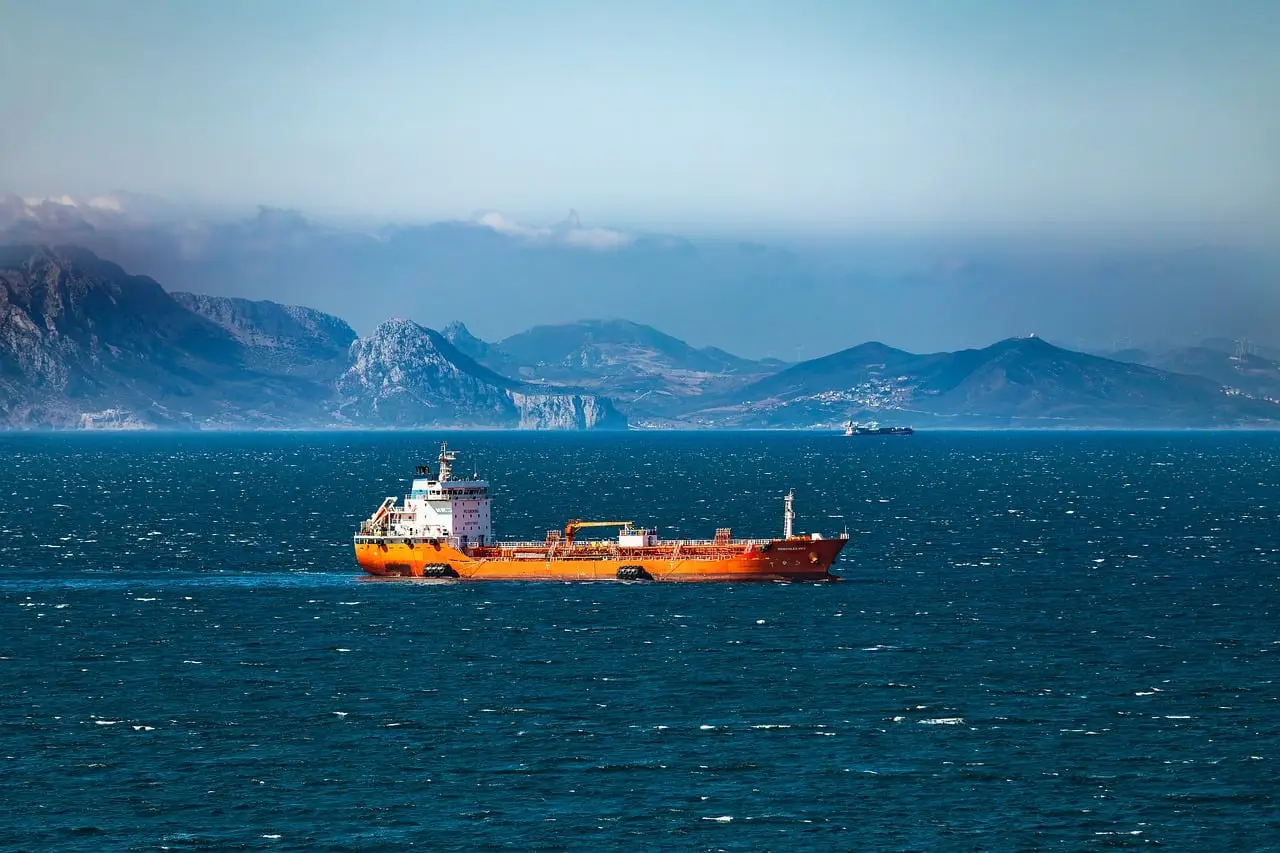
The first tanker carrying Russian diesel to the United States since July 2023 is signaling New York as its destination, with arrival expected Nov. 7, according to marine intelligence firm Kpler. The Kremlin confirmed the departure Friday, two weeks after President Donald Trump announced a diesel import deal with President Vladimir Putin.
"The first oil tanker has sailed off to customers, and regular supplies will continue," Kremlin spokesman Dmitry Peskov said, without offering details.
Russian Deputy Prime Minister Alexander Novak said earlier this week that the maiden shipment totals 40,000 tons of diesel, Russia's Interfax news agency reported. That's roughly 300,000 barrels — about 7% of the 4 million barrels the U.S. economy burns through in a single day.
What does this change for U.S. fuel markets?
Not much, on the numbers. Trump says the agreement foresees millions more tons of Russian diesel reaching American ports in the coming months. But energy policy experts say the imports are unlikely to make a dent in painfully high pump prices or broader fuel costs. One 300,000-barrel cargo barely covers seven hours of American diesel demand.
The political logic is easier to read than the market math. Analysts see the abrupt reversal of U.S. sanctions policy on Russia — imposed after Moscow's invasion of Ukraine — as Trump's attempt to address high fuel prices ahead of the midterm elections.
The timing is striking given what Trump signed just weeks ago: a sweeping sanctions package directing him to impose up to 100% tariffs on the top five importers of Russian oil or natural gas. He subsequently put those measures on hold.
Why Ukraine is alarmed
The diesel decision caused alarm and dismay in Kyiv, which has spent the war urging foreign governments to tighten sanctions on Moscow and starve it of revenue for the invasion launched in February 2022. Instead, Washington is now writing checks to Russian refiners.
Ukrainian President Volodymyr Zelenskyy did not mince words, calling Trump's decision "a weak decision by strong partners."
The episode marks another low point in the volatile Trump-Zelenskyy relationship, which has deteriorated sharply in recent weeks.
Russia's strained supply side
There's a supply-side wrinkle worth watching. Russian diesel production has been under strain from repeated Ukrainian long-range drone strikes on its oil refineries. Those attacks triggered fuel shortages inside Russia that have since eased.
Trump, for his part, asked Kyiv last month to halt the drone strikes — a request that now looks less like diplomatic courtesy and more like part of the diesel deal's groundwork.
For practitioners, the practical question is whether "regular supplies" — Peskov's phrase — can actually hold. A supply base recovering from refinery attacks, a sanctions framework that flip-flopped within weeks, and a tariff threat suspended but not repealed all point the same direction: this trade channel exists, but nobody should model it as stable.
The next signal comes Nov. 7, when the tanker either docks in New York or doesn't.
Original: apnews.com
More from Nathan Brooks
Show full bio
News editor covering regulation, policy and their impact on entrepreneurship, startups and venture funding at Business Bearings.
1,154 articles