France Blames Iran for Hacks of Thousands of Freezers
France blamed Iran’s Islamic Revolutionary Guard Corps for hacking thousands of refrigeration units in France and Europe, while similar U.S. military-base freezer outages remain under investigation.
By Daniel Okafor
3 min read
What's News
- On Monday, France formally blamed Iran’s Islamic Revolutionary Guard Corps for the freezer hacks.
- The attacks targeted thousands of internet-connected refrigeration and freezer units across France and wider Europe.
- Two waves occurred during October and into November.
- The French Blood Establishment stopped blood-bank attacks before any blood was spoiled.
- France summoned Iran’s ambassador and said it would issue European-wide sanctions.
By Daniel Okafor
France formally blamed Iran’s Islamic Revolutionary Guard Corps on Monday for hacking thousands of internet-connected industrial refrigeration and freezer units across France and wider Europe.
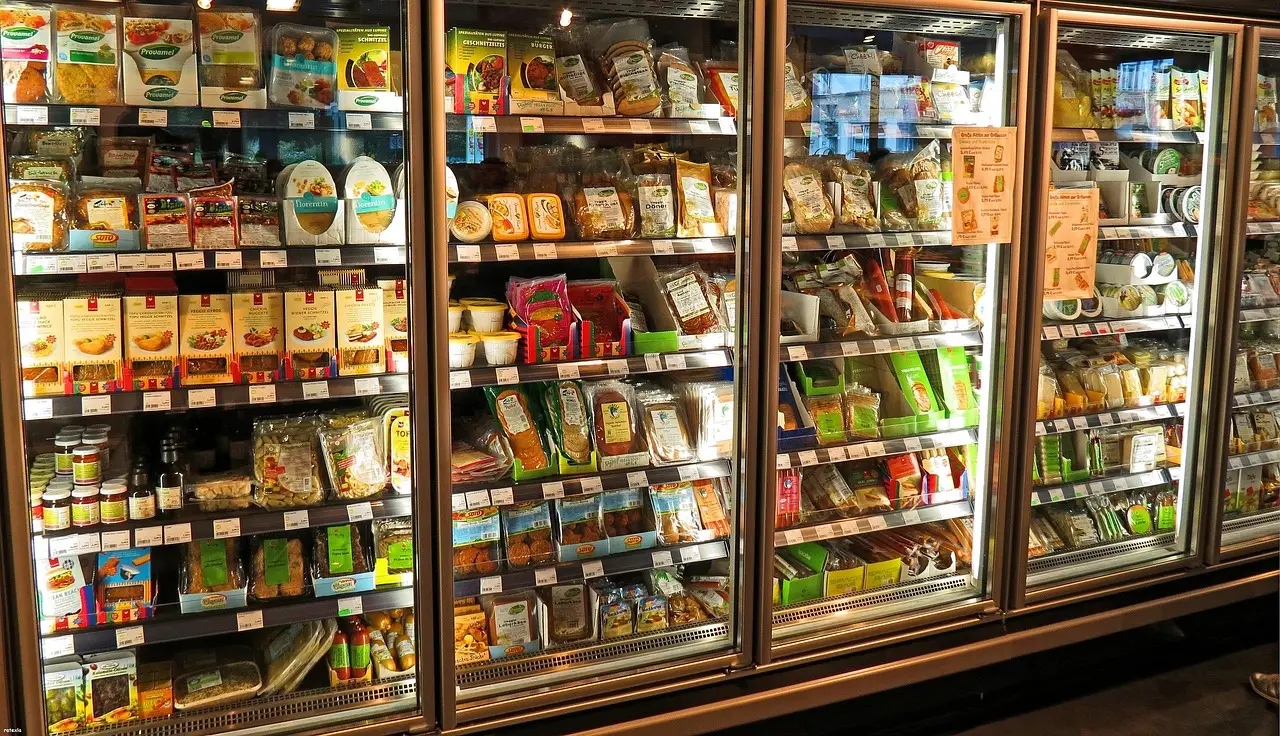
The French government said attackers broke into web-based controllers managing industrial refrigeration fleets at grocery stores and retail supermarkets across France and wider Europe. They raised temperatures to spoil food and destroy goods. The French Blood Establishment said medical blood banks were also hacked, but it stopped the attacks before any blood was spoiled.
How did the freezer attacks work?
Reuters reported that the operation unfolded in two waves during October and into November. Hackers remotely broke into controllers managing fleets of industrial cold and chilling units. The mechanism turned remote access into physical losses by lifting temperatures inside food stores, turning a software compromise into spoiled inventory across commercial refrigeration fleets.
Reuters also cited security researchers who warned that the web-based controllers remain vulnerable to remote hacks. Some affected models made by Danish company Danfoss no longer receive security fixes. In practical terms, the attack resembled tampering with a thermostat at scale.
What did France accuse Iran of?
Speaking to reporters in Paris on Monday, French Foreign Minister Jean-Noël Barrot said: “I am able to confirm that responsibility for this act lies with the Islamic Revolutionary Guard Corps,” referring to Iran’s military and hackers.
Barrot said: “This was an attack of unprecedented scale and aggression; it represents the first large-scale act of sabotage on our national territory and constitutes a major assault on the nation’s interests and the security of the French people,” adding that the hacks would “not go without consequences.”
The government has summoned Iran’s ambassador and said it would issue European-wide sanctions against those responsible. Barrot said the case now sits with the French justice system.
Reuters first reported France’s attribution, citing sources before Barrot’s remarks. A spokesperson for Iran’s consulate in New York did not immediately respond to a request for comment.
Why did the attacks happen?
Reuters reported that the freezer operation was the latest in a series of destructive cyberattacks attributed to Iran this year. Earlier incidents included hacks targeting U.S. water providers and online intrusions that disrupted medical-device maker Stryker and others.
The U.S. government linked those attacks to pro-Iranian hacktivists working for Tehran. It assessed that they were likely responding to the U.S.-Israel-led war against Iran, which killed Iran’s supreme leader in February.
What is happening in the United States?
The U.S. government is reportedly examining whether freezer units on military bases were hacked. The inquiry follows reports of similar outages and disruption earlier this year.
U.S. officials have reportedly linked the freezer-related cyberattack to Iran, although the intelligence community has not yet made any formal or public attribution of responsibility. That leaves the U.S. response less settled than France’s decision to name the Islamic Revolutionary Guard Corps and pursue sanctions.
France has already summoned Iran’s ambassador. Its promised European-wide sanctions and the justice-system referral will define the next phase. In the United States, a public intelligence attribution remains pending as officials examine reports of freezer outages on military bases.
Original: reuters.com
More from Daniel Okafor
Show full bio
Correspondent covering money, funding and market shifts around entrepreneurship, startups and venture funding at Business Bearings.
1,687 articles