France Blames Iran's Revolutionary Guards for Fridge Cyber-Attacks
France blames Iran's Revolutionary Guards for hacks that pushed supermarket freezers to 50C across 700 stores, dumping thousands of tons of food. Europe-wide sanctions are coming.
By Grace Kim
3 min read
What's News
- Hackers hit as many as 700 French supermarkets on 11–12 October, pushing freezers from -27C to over 50C
- France blames the IRGC-linked cyber unit Shahid Kaveh; prosecutor Laure Beccuau has opened an investigation
- Crédit Mutuel's regional branch lost over €100m in a separate cyber-attack on Friday
- Retailers in 11 European countries reported refrigeration problems the week after
- EU foreign affairs council meets Monday to discuss a possible response
Hackers pushed supermarket freezers in as many as 700 French stores from -27C to well over 50C on 11 and 12 October — and Paris now says Iran's Revolutionary Guards did it. Foreign minister Jean-Noël Barrot has promised "Europe-wide sanctions" against those responsible.
Speaking at a press briefing during the G7 summit in Paris, Barrot described the attacks as "unprecedented scale and unprecedented aggression" and "a major violation of the nation's interests". He said the Iranian ambassador had been summoned "to protest in the strongest possible terms against this extremely serious act". His key line: "Thanks to the remarkable efforts of government agencies, I am able to confirm that the Islamic Republic of Iran's Revolutionary Guards are responsible for this attack."
Who does France blame specifically?
Paris public prosecutor Laure Beccuau said on Monday that specialist investigators and government agencies identified "a modus operandi" characteristic of Shahid Kaveh, a cyber warfare unit linked to the Islamic Revolutionary Guards Corps (IRGC). The evidence included "the use of Farsi and IP addresses traced back to devices located in Iran", she said.
Her office has opened an investigation against the head of Shahid Kaveh, his deputies and "others who will be identified" on charges of "fraudulent attacks on an automated data processing system committed as part of an organised crime ring and of causing damage dangerous to persons". The offences were "aggravated by the fact they were committed to serve a foreign power – in this case Iran", she added.
How bad was the damage?
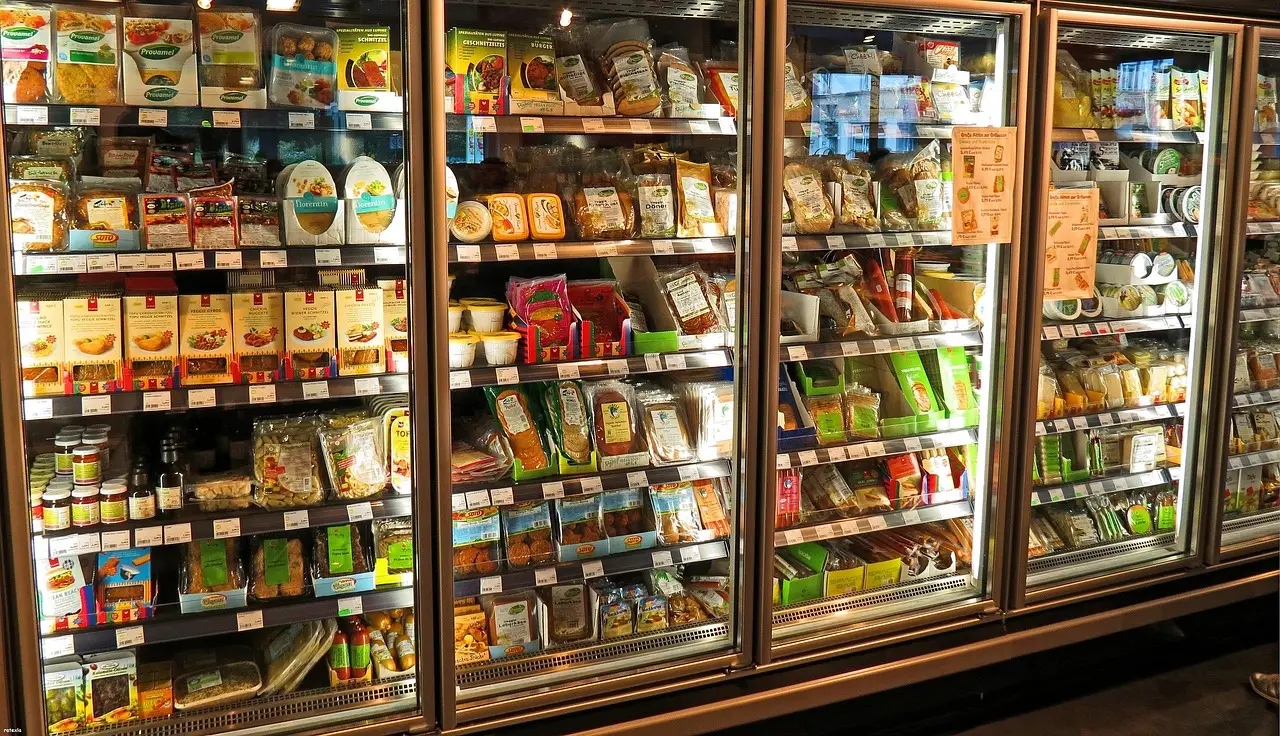
The hackers remotely overrode digital thermostats on thousands of freezers, fridges and chiller cabinets. Swathes of French supermarkets were hit; some threw away entire inventories of perishable food. Thousands of tons of food had to be dumped. In some stores, the extreme temperature rise sparked fires, triggering sprinklers and causing water damage.
The attack didn't stop at supermarkets. Hackers last week accessed control systems at cold stores stocking blood products. The French blood service (EFS) said temperature and defrosting thresholds had been raised to a "very high level", but alarm systems alerted technicians, who disconnected the cold stores before the products were destroyed. It's not clear whether the two attacks are linked.
The following day, retailers in 11 European countries — including the UK, Belgium, Estonia, Ireland, Finland, Luxembourg, the Netherlands and Sweden — reported problems with refrigeration systems. A regional branch of France's Crédit Mutuel bank also said it lost more than €100m in a cyber-attack on Friday, though it has recuperated some of the money.
What do analysts say about the threat?
Gérôme Billois, a partner at cybersecurity and technology company Wavestone, said Shahid Kaveh has been active since 2020 and was known mostly for cyber-attacks on water distribution systems in the US. "Two countries are known for this kind of attack: Iran and Russia," he said. "Given that recent cyber-attacks on supermarkets and the blood bank in France concerned freezers it is reasonable to think Iran is directly linked to both."
His warning is blunt: "For the moment they are attacking easy equipment but as a state group that has the means, the determination and the time, we should be prepared to see attacks on other systems like water or electricity."
What happens next in Brussels?
The European Commission did not immediately comment on Barrot's statement. Kaja Kallas, the EU's head of foreign affairs, said: "We have the foreign affairs council next Monday, so we will have the opportunity to discuss this. These cyber incidents occurring in Europe, if attributed [to Iran], also call for a strong response on our part."
Brussels already has leverage. In a significant decision this year, the EU designated the IRGC a terrorist organisation, ending years of division over the issue. The designation became possible after France dropped its long-held opposition, having previously feared it would damage diplomatic channels and the interests of French nationals in Iran.
With sanctions pledged, an investigation open and the foreign affairs council set for Monday, Europe's response to a fridge-hacking campaign now carries far bigger stakes than spoiled food.
Source: theguardian.com
More from Grace Kim
Show full bio
Market editor covering people, launches and day-to-day practice in entrepreneurship, startups and venture funding at Business Bearings.
1,719 articles