Global Kiwi Labs Raises $4 Million to Expand TheHUB
Global Kiwi Labs raised $4 million in seed funding for TheHUB, a digital-asset colocation network live at Equinix TY15 in Tokyo and built around equalized fiber.
By Grace Kim
4 min read
What's News
- Global Kiwi Labs raised $4 million in seed funding led by Valor Capital Group.
- Adderall Capital, Keyrock, Staking Facilities and angel investors also joined the round.
- TheHUB's first site at Equinix TY15 in Tokyo is live and onboarding exchanges, trading firms and validators.
- Fiber connections are calibrated within 10 millimeters, while a GPS-synchronized master clock timestamps orders at network entry.
- Founded in 2025, TheHUB targets institutional trading firms, decentralized exchanges, RPC providers, node operators and validators.
By Grace Kim
Global Kiwi Labs raised $4 million in seed funding led by Valor Capital Group, according to the company. It named Adderall Capital, Keyrock, Staking Facilities and angel investors as other participants.
What does the $4 million fund?
Global Kiwi Labs said TheHUB’s first site, inside Equinix TY15 in Tokyo, is live and onboarding exchanges, trading firms and validators. The financing will support a larger engineering team and expansion into additional markets. The seed round backs the company’s bet that TheHUB can become a shared infrastructure service for digital-asset markets.
How does TheHUB try to level the trading field?
Global Kiwi Labs said colocation places customers’ servers in a shared data center near the systems they need to reach. Shorter physical distances can reduce communication delays, and those delays matter when prices move faster than a slower participant can update a quote.
The company says TheHUB combines four mechanisms:
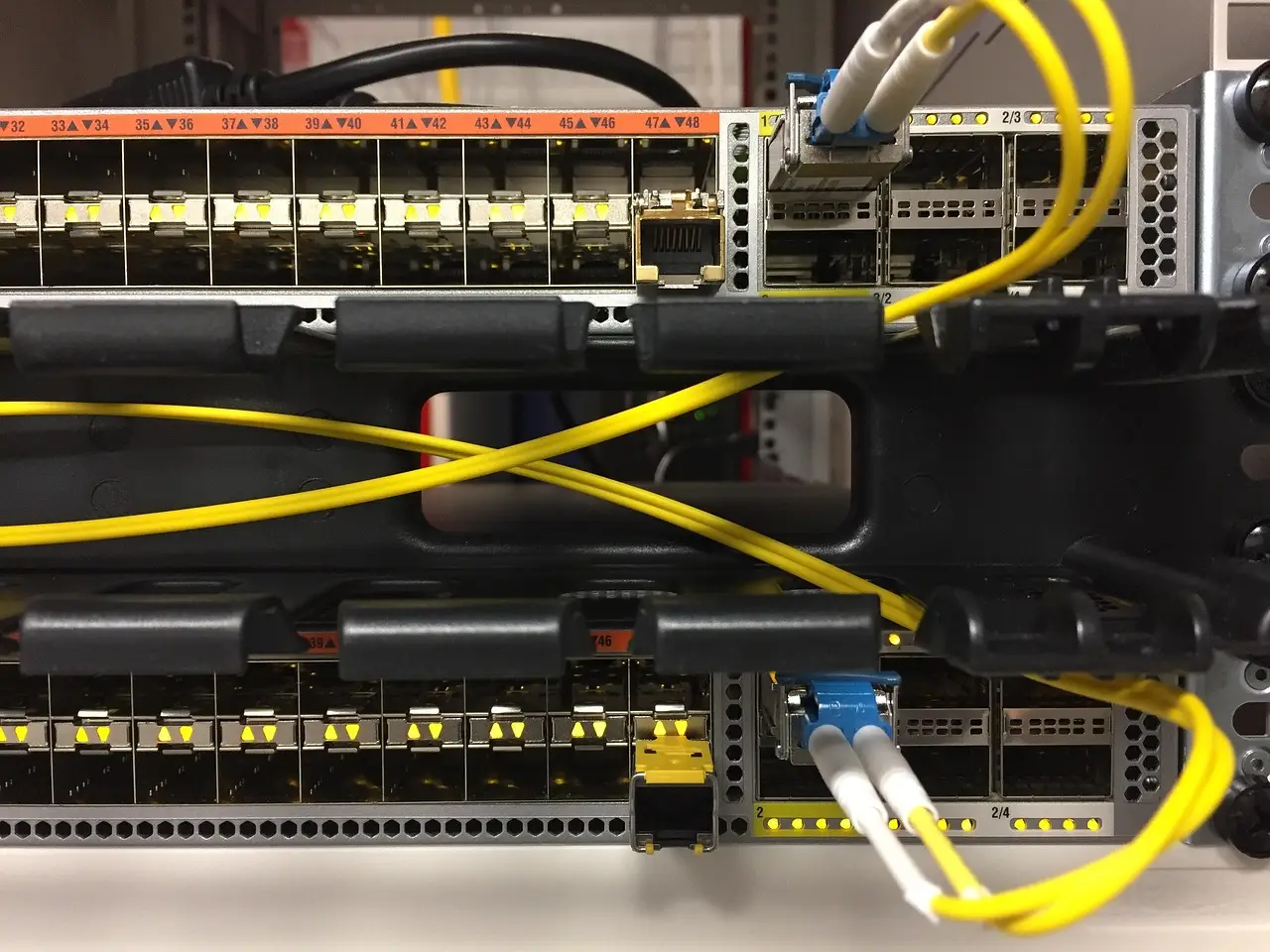
- Equal-length fiber: Every participant’s connection to the central switch uses the same fiber length, calibrated to within 10 millimeters. TheHUB says this removes one source of physical latency variation, although light still takes time to travel.
- A GPS-synchronized master clock: It timestamps orders when they enter the network. Global Kiwi Labs says the common reference helps systems establish arrival order instead of relying on separately configured machines.
- Simultaneous market-data delivery: TheHUB uses open standards familiar to traditional exchanges. The stated goal is to distribute price information consistently across subscribers and reduce advantages from uneven delivery paths.
- On-chain audit records: The system records order sequencing and execution data to create a record of what happened and in which order. Global Kiwi Labs says the log supports review after the fact.
Equalizing the fiber segment does not make every trading system equally fast, Global Kiwi Labs said. Server hardware, software, processing queues and connections outside the shared segment can still introduce different delays. The design targets the local network path and gives participants a common physical base for their own systems.
Global Kiwi Labs argues that predictable access could help market makers manage the risk of quoting prices that go stale before an order arrives. The company said whether the system produces tighter spreads depends on adoption and how connected markets use the infrastructure.
Global Kiwi Labs said the on-chain log is distinct from executing a trade on a blockchain. The company did not specify the chain, logging frequency or implementation details. The four mechanisms address the order path, arrival time, market information and post-trade record. The system standardizes the shared path, not every participant’s full stack.
Why does the Tokyo deployment matter?
Equinix TY15 sits in Tokyo’s Minato district and offers cross-connects and other interconnection services, according to Global Kiwi Labs. In a colocation facility, a cross-connect provides a dedicated link between systems inside the building, letting customers connect locally rather than route every exchange through the public internet.
Global Kiwi Labs said a DoubleZero node is already inside TheHUB’s Tokyo site. DoubleZero connects distributed infrastructure over dedicated fiber supplied by independent network contributors, aiming to reduce the latency and packet-loss variability associated with public-internet routes. Its multicast approach distributes one published data stream to multiple subscribers.
Global Kiwi Labs described TheHUB and DoubleZero as complementary: TheHUB organizes shared local infrastructure, while DoubleZero links locations. For trading firms and blockchain operators, the combination could reduce the need to assemble separate hosting and networking arrangements for each market. The setup pairs shared local infrastructure with wider network connectivity.
Who is building TheHUB?
CEO Jamie Brown has 30 years of capital-markets infrastructure experience, including almost a decade designing fair-access colocation systems for major exchanges, according to Global Kiwi Labs. Chief Strategy Officer Thiago Rudiger spent nine years at Squadra Investimentos and later held leadership roles at the Tanssi Foundation and Moondance Labs.
“Traditional financial markets didn’t reach today’s levels of performance through software alone. They built specialized physical infrastructure around the markets themselves,” Brown said. “Digital asset markets are reaching the point where they need the same foundation.”
Brown’s core claim is simple: digital-asset markets now need the same specialized physical foundation as traditional markets.
Who is TheHUB designed for?
TheHUB, founded in 2025, targets institutional trading firms, decentralized exchanges, RPC providers, node operators and validators, according to Global Kiwi Labs. RPC providers let applications query or submit transactions to blockchain networks. Validators participate in checking and agreeing on network transactions.
Global Kiwi Labs said both groups depend on reliable connections even when they are not running a trading strategy. That makes network reliability relevant to blockchain infrastructure users beyond active traders.
What happens next?
Global Kiwi Labs said the next test is expanding the Tokyo deployment into a broader network while maintaining predictable access and verifiable sequencing. The broader rollout will test whether the shared-service model can scale across markets and participants without losing those design priorities.
Source: unite.ai
More from Grace Kim
Show full bio
Market editor covering people, launches and day-to-day practice in entrepreneurship, startups and venture funding at Business Bearings.
2,301 articles