Google Pay Lands in Nigeria, But Tap-to-Pay Faces a Habit Problem
Mastercard and Interswitch launched Google Pay in Nigeria on October 28, but bank transfers still hold 51.9% of retail non-cash volumes — tap-to-pay faces an uphill habit battle.
By Grace Kim
4 min read
What's News
- Mastercard and Interswitch launched Google Pay contactless payments in Nigeria on October 28, 2026.
- Bank transfers held 51.9% of Nigeria's retail non-cash transaction volumes as of June 2024, versus 28.5% for PoS.
- Nigerian institutions lost ₦25.85 billion ($19.2 million) to digital payment fraud in 2025, down 51% year-on-year.
- CBN rules cap unverified contactless payments at ₦15,000 per transaction and ₦50,000 per day.
- Visa's Tap to Phone processed over $33 billion in payments in 2025.
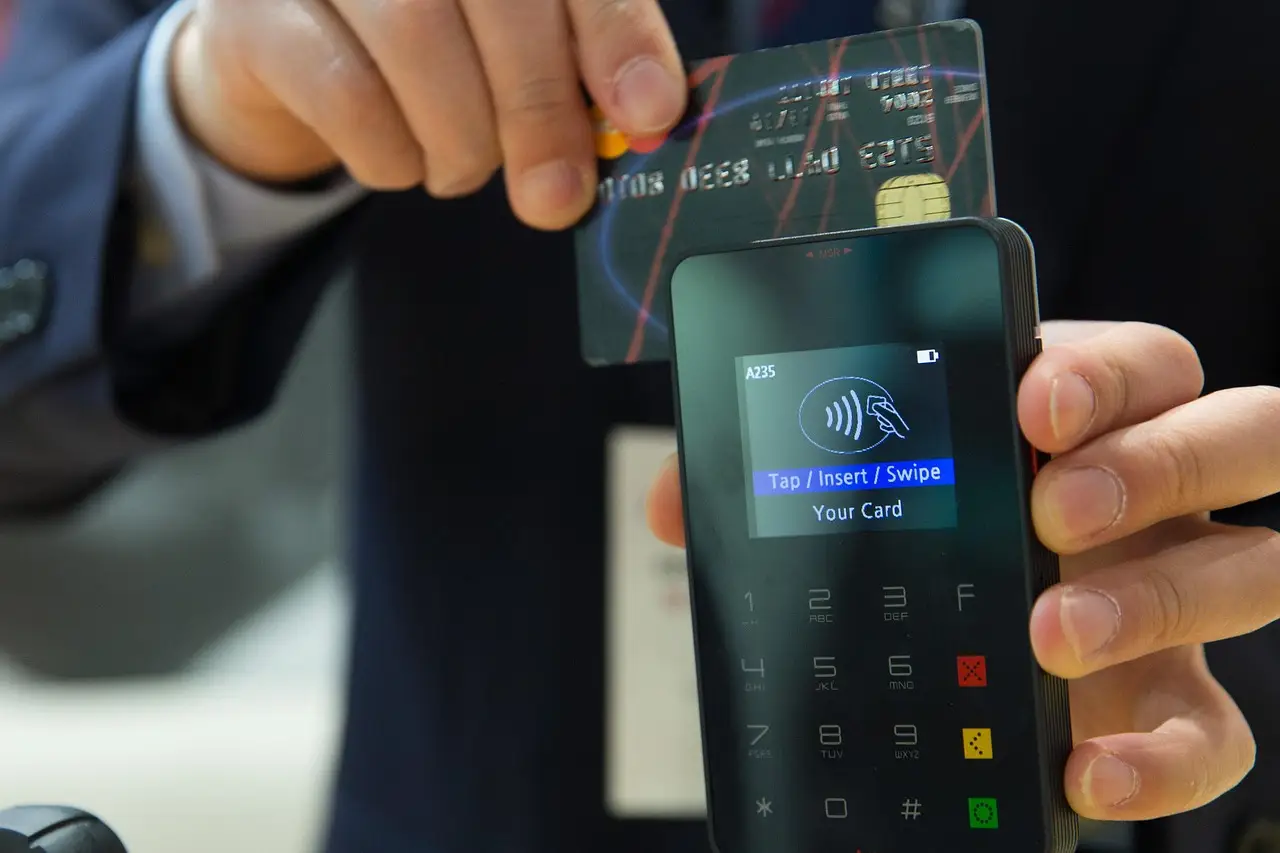
Mastercard and Interswitch launched Google Pay in Nigeria on October 28, letting eligible Mastercard holders tap compatible Android phones at contactless terminals — in a market where bank transfers already account for 51.9% of retail non-cash transaction volumes.
The announcement came at the 2026 edition of Moonshot by TechCabal. Customers add a supported Mastercard to Google Wallet, authenticate on their phone, and hold it near the PoS terminal. Google supplies the wallet, Mastercard supplies the card network and tokenisation infrastructure, and Interswitch connects participating issuers to the processing layer.
The capability isn't theoretical. TechCabal tested contactless withdrawal at a local PoS merchant using a Verve debit card issued through ALAT, the digital platform of tier-2 lender Wema Bank. The terminal recognised the tapped card, requested a PIN, and dispensed ₦1,500 ($1.11) from a ₦1,600 ($1.19) transaction that included a ₦100 ($0.074) fee. The card never entered the machine.
Contactless payments have been live in Nigeria for over a decade. Unified Payments introduced an NFC solution in May 2015. In September 2022, Mastercard, Providus Bank, Thales, and Interswitch launched tokenised tap-to-pay for smartphones and wearables after nine months of development.
Who can actually tap today?
The Google Pay rollout exposes a gap between infrastructure builders and eligible users. Interswitch is working with five banks — GTBank, Wema Bank, Providus Bank, Zenith Bank, and FirstBank — to expand tokenised payments. But Google's published list of supported cards covers only FirstBank, GTBank, Providus Bank, UBA, and Zenith Bank.
Wema Bank is absent from the list. So are Verve and AfriGO cards. Customers also need NFC-enabled Android phones, and merchants need terminals that recognise the customer's card network or wallet — a PoS machine can carry the contactless symbol and still reject certain payment methods.
Nigerian fintechs are attacking the merchant side too:
- CashAfrica launched a contactless mobile payment service with fast-food chain Chicken Republic and is developing account-based tokenisation.
- Nearpays builds SoftPOS software that turns an NFC-enabled Android phone into a payment terminal, routing domestic transactions through NIBSS and international ones through Visa.
"We've built a product that sits as a mediator and can communicate easily to both parties," Nearpays founder and CEO Victor Daniyan told TechCabal.
CashAfrica founder and CEO Malik Asamu argues the real opportunity is accounts, not cards. "If we can build an innovation that allows us to tokenise accounts, like we do cards, that then means that you can tokenise an account in the same model that you tokenise a card," Asamu said. His current flow, though, requires customers to move money into the CashAfrica Cash Mobile wallet before tapping — an extra step that could offset the convenience.
What tokenisation changes, and what it doesn't
When a customer pays with Google Pay, the phone shares a token rather than the card number. Mastercard's Digital Enablement Service creates the token, and each payment carries a unique "cryptogram" that changes per transaction. A lost phone's token can be disabled without cancelling the physical card.
The protection has limits. According to NIBSS, Nigerian financial institutions lost ₦25.85 billion ($19.2 million) to digital payment fraud in 2025, down 51% year-on-year, driven mainly by social engineering, account compromise, SIM-swap fraud, and phishing — crimes a token cannot stop.
Regulation caps convenience too. Under CBN rules from June 2023, contactless payments through accounts and wallets can proceed without additional verification only up to ₦15,000 ($11.14) per transaction and ₦50,000 ($37.14) per day.
Will more Nigerians tap?
The market is large. The CBN said electronic payment volumes rose 2.6% to 47.88 billion in 2025, with value up 26.1% to ₦4 quadrillion ($3.28 trillion) from ₦3.46 quadrillion ($2.6 trillion) in 2024.
The UK shows how habits shift. Contactless accounted for 3% of UK transactions in 2015 and 39% by 2025 — 19.2 billion payments — after London's transport authority accepted contactless cards on buses from 2012 and the Underground from 2014. By end-2024, 89% of UK cards in circulation supported contactless, according to UK Finance.
Nigeria has a homegrown precedent: Lagos commuters tap Cowry cards on buses, trains, and ferries. Operator Touch and Pay surpassed five million users by 2025 and processed over ₦20 billion ($14.9 million) in transactions in 2024 — but within a closed transport system, not open retail.
For everyday retail, the pitch is thin. TechCabal's tap test still required a PIN, and the speed gain may amount to fractions of a second over a bank transfer from a banking app. Visa's Tap to Phone processed over $33 billion in payments in 2025 — proof the model works elsewhere, not proof it converts in Nigeria.
Without a clearer advantage in speed, cost, or reliability, tap-to-pay risks staying what it mostly is today: another cool way to make a payment.
Source: techcabal.com
More from Grace Kim
Show full bio
Market editor covering people, launches and day-to-day practice in entrepreneurship, startups and venture funding at Business Bearings.
1,985 articles