Google's Ask AdMob Puts Gemini Agents Inside App Ad Monetization
Google launched Ask AdMob and AI agent skills on November 16, 2026, handing publishers a Gemini assistant that recommends SDK bidders with predicted revenue uplifts.
By Nathan Brooks
3 min read
What's News
- Google announced Ask AdMob and AI agent tools on November 16, 2026.
- Ask AdMob uses peer benchmarks to recommend high-value SDK bidders with predicted revenue uplifts.
- Agent skills ship now with six documented playbooks for the Google Mobile Ads Next-Gen SDK.
- The AdMob MCP server, expanding to more developers in early 2027, lets agents manage mediation settings.
- Every recommendation requires user review and approval before it is applied.
Google unveiled Ask AdMob and a package of AI agent tools on November 16, 2026, aimed squarely at the manual grind of configuring, troubleshooting and coding app advertising. The release pairs a Gemini-built conversational assistant with developer playbooks and, further out, a server connection that will let AI agents operate directly on AdMob accounts.
Naomi Ben-Ayoun, general manager of AdMob, presented the launch as a way to cut the manual work of managing ad setups, fixing integration errors and auditing brand safety. The features span both account-level decisions — demand sources, blocking rules — and the code that implements them.
What does Ask AdMob actually do?
Ask AdMob lives inside publishers' AdMob accounts as a conversational agent built with Gemini. Google describes it as working like an AdMob product expert, trained on monetization best practices. A troubleshooting hub will flag setup anomalies and SDK integration issues, using its visibility into how ads load to support recommendations for problems that hit revenue.
On the optimization side, Google says the assistant will use peer benchmarks to recommend adding SDK bidders it identifies as high-value, with predicted revenue uplifts attached. It will also help optimize mediation groups and check third-party network configurations for typos and floor-price discrepancies before they dent yield.
Publishers get a natural-language route to brand safety, too. Instead of manually maintaining blocklists, they'll configure custom brand-safety rules through prompts in the AdMob interface.
Testing begins over the next few months. More advanced features that act on a user's behalf arrive later in 2027, and every recommendation stays subject to user review and approval before it is applied — a guardrail Google is treating as core to the design.
Agent skills for the code side
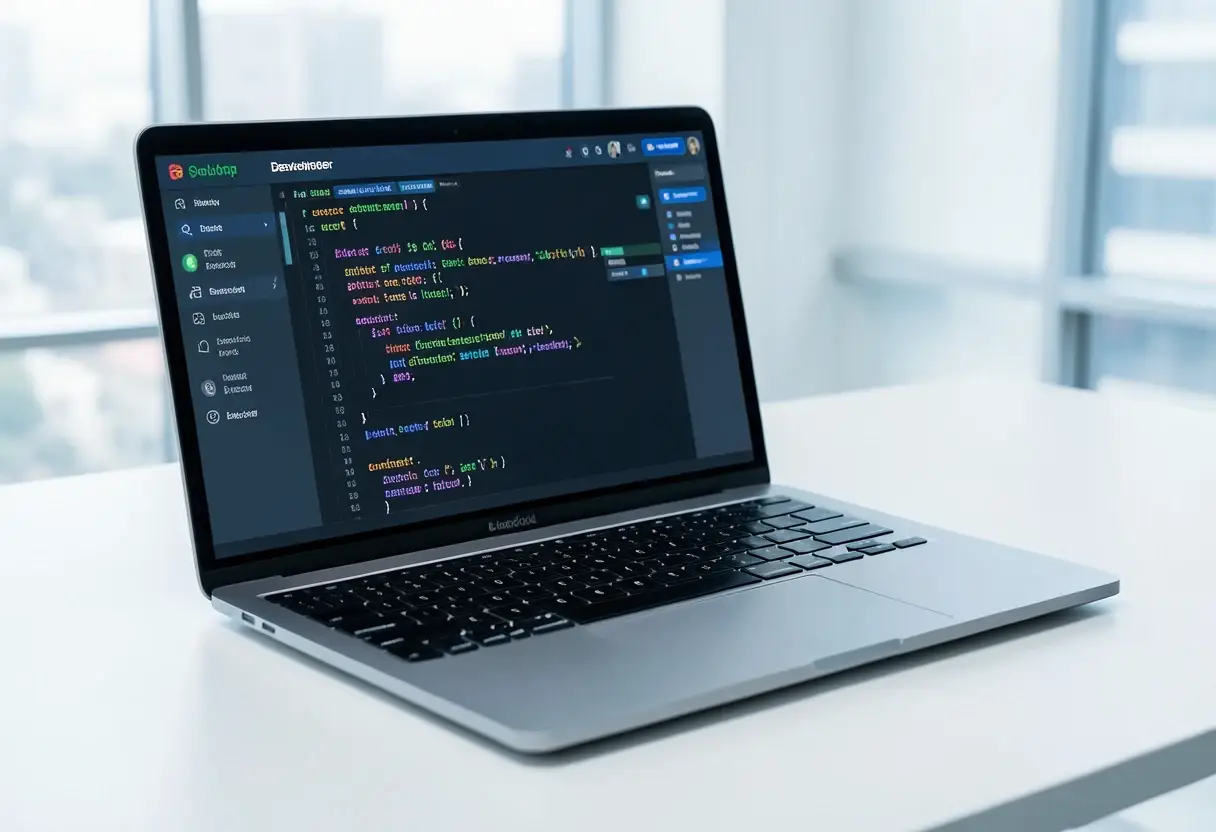
While Ask AdMob is in testing, the agent skills are available now. They hand a developer's preferred AI coding assistant pre-built, tested playbooks to build, edit and validate ad code — covering migration to the Google Mobile Ads Next-Gen SDK, validation of an SDK implementation, and rollout of new ad formats.
Google positions this as the alternative to clicking through dashboards, copying ad-unit IDs and maintaining ad configuration files outside the codebase. The developer documentation describes the skills as portable, self-contained modules containing SDK knowledge, instructions and workflows, built to help AI assistants perform complex tasks more accurately.
They work with assistants that support skills, including Antigravity, Claude Code, Codex and Cursor. Installation runs through npx skills add google/skills/skills/ads, with npx skills update --all handling updates.
The Android documentation lists six skills:
- Initial SDK setup, including setting the application ID and initializing the Next-Gen SDK
- Banner ads
- Full-screen interstitial ads
- Rewarded ads and their reward callbacks
- Migration from the legacy Google Mobile Ads SDK
- Integration validation, covering pre-launch audits and checks for common implementation errors
MCP server and the 2027 roadmap
The third piece is the upcoming AdMob MCP server, which would connect developer environments directly to AdMob and expand an agent's role from code assistance to account operations. Google says agents will be able to read account data, create ad units and manage mediation settings. The server expands to more developers in early 2027 after early testing, and developers will review and approve updates before pushing them to production.
Google also plans a broader wave of in-product and AI-agent capabilities throughout 2027 to handle more routine operational work.
That timeline makes the approval workflow the hinge of the whole strategy. As agents gain access to both code and monetization settings, the open question is whether publishers can review suggested changes thoroughly — without recreating the manual workload these tools exist to remove. For app developers, the near-term move is simple: install the six skills now, watch the Ask AdMob tests, and budget review time before letting agents touch mediation in 2027.
Source: unite.ai
More from Nathan Brooks
Show full bio
News editor covering regulation, policy and their impact on entrepreneurship, startups and venture funding at Business Bearings.
2,232 articles