Hurricane Isaias Claims Reach $736 Million in Florida
Florida insurance data show 68,000 Hurricane Isaias claims and $736 million in losses after five weeks, with homeowners accounting for 47,048 and about one in five claims closed without payment.
By Olivia Hart
3 min read
What's News
- Florida OIR data updated Nov. 6 show 68,000 Isaias claims and $736 million in losses.
- Claims from homeowners totaled 47,048; private passenger auto claims totaled 7,825.
- Almost 32,000 claims came from Santa Rosa County and 21,119 from Escambia County.
- About 14,400 claims, or 21%, closed without payment; more than 5,370 closed for administrative reasons.
- Sally's five-week totals were almost 72,000 claims and $577 million in insured losses.
By Olivia Hart
Florida's Hurricane Isaias generated 68,000 property insurance claims and $736 million in reported losses, according to the Florida Office of Insurance Regulation's data updated Nov. 6. The report frames that snapshot as five weeks after the Oct. 9 storm and compares it with Hurricane Sally, which hit the same Panhandle area in 2020 with a similar size and intensity.
What does the five-week snapshot show?
The OIR data list 47,048 claims from homeowners and 7,825 from private passenger auto policyholders. Homeowner claims represented about 69% of the statewide total, while auto claims represented roughly 12%, putting residential damage at the center of the early loss picture.
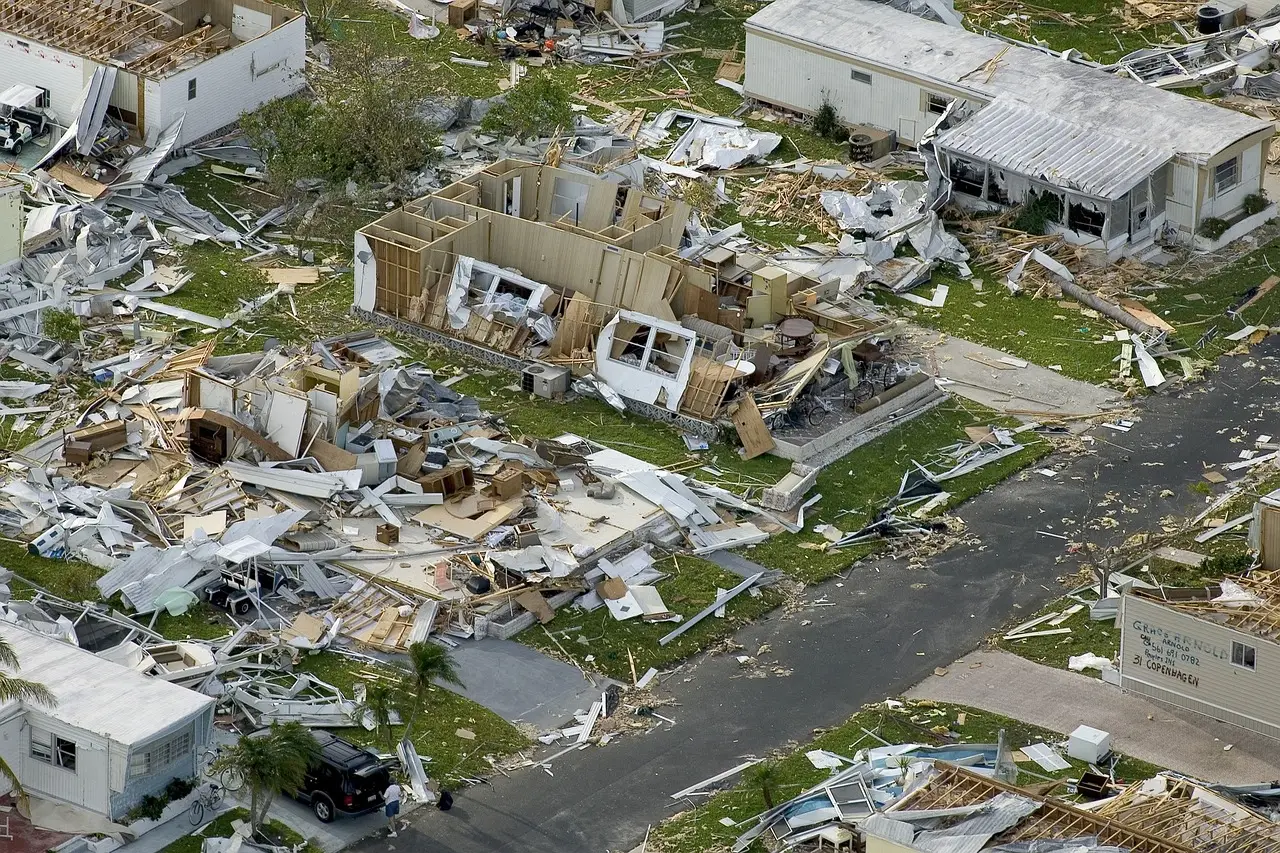
The report said Isaias made landfall near Destin, Florida. Unusual northerly winds appeared to drive the most damage in Santa Rosa County and Escambia County, which contains Pensacola, the largest city in northwestern Florida.
Almost 32,000 claims came from Santa Rosa policyholders, and 21,119 came from Escambia. Together, the counties accounted for about 53,000 claims, or roughly 78% of Florida's total. In plain terms, the early loss map is large, residential and concentrated in two Panhandle counties.
The report calls the period five weeks, but Oct. 9 to Nov. 6 spans 28 days; it does not explain the gap. The data also omit open-claim counts and paid losses. The practical caveat is simple: $736 million is not a final settlement total.
How does Isaias compare with Sally?
OIR data as reported by carriers show Sally produced almost 72,000 claims at five weeks, including about 47,147 homeowner claims, and $577 million in total insured losses. Isaias produced roughly 4,000 fewer claims at its reported checkpoint but carried a $159 million, or roughly 28%, higher loss total before inflation.
The source says inflation would bring Sally's total insured losses to about the same level as Isaias's at five weeks. It does not specify the inflation measure, and the timing discrepancy makes the dollar comparison less clean than the headline figures imply.
Homeowner claims, by contrast, sat almost side by side: 47,147 for Sally and 47,048 for Isaias, a gap of 99. In plain terms, Isaias matched Sally's residential claim count while producing a larger nominal insured-loss estimate.
Why did one in five claims close without payment?
About 14,400 Isaias claims had closed without payment, or about 21%, by OIR's Nov. 6 update. That share was roughly the same as the percentage recorded for Sally, according to OIR.
OIR identified damage below the policy deductible as the most common reason for a no-payment closure. Insurance agents and carriers said most residential damage in Isaias's 110-mph winds came from falling trees and limbs.
After homeowners realized repair costs would fall below their deductibles, many insureds withdrew claims. OIR classified more than 5,370 claims as closed without payment for administrative reasons, a category that includes withdrawals by insureds.
Islam Mahfuz salvaged the contents of his destroyed mini mart in the aftermath of Hurricane Isaias in Milton. (AP Photo/Gerald Herbert)
Just 326 claims closed without payment because of flood damage, and property owners did not carry flood insurance on the affected structures. The breakdown does not reconcile every closure, so the 14,400 total should not be read as 14,400 denials. Falling trees, low repair estimates and withdrawals drove much of the no-payment figure; flooding accounted for 326 closures.
What remains to be resolved?
The Nov. 6 data provide the report's five-week claim snapshot, even though the dates cited span 28 days. The report does not provide a final paid-loss total, an open-claim count or a complete reconciliation of the no-payment categories.
The forward-looking measure is how unresolved claims resolve after Nov. 6: how many produce payments, remain closed without payment or fall into administrative and flood-related categories. Until OIR supplies that follow-through, $736 million is the current loss benchmark, not a final verdict on Isaias's insurance cost.
Source: insurancejournal.com
More from Olivia Hart
Show full bio
Staff writer covering people, launches and day-to-day practice in entrepreneurship, startups and venture funding at Business Bearings.
2,011 articles