JVS Bay Area sees Gen Z interest rise in trades amid AI disruption
About half of 110 recent applicants to JVS Bay Area’s automotive program are Gen Z; around 120 program participants were displaced by AI from the beginning of 2025 through November.
By Amara Osei
4 min read
What's News
- About half of 110 recent applicants to JVS Bay Area’s automotive program are Gen Z.
- Around 120 JVS participants were displaced by AI from the beginning of 2025 through November.
- JVS began evaluating 5-to-10-year automation risk in 2017.
- A student placed with the carpenters’ union made at least $100,000 a year right after high school.
- JVS plans to build out an entry-level automotive program over the next two years.
About half of the 110 recent applicants to JVS Bay Area’s automotive program are Gen Z, according to Kelcie Wong, chief program officer at the San Francisco-based nonprofit workforce development organization. From the beginning of 2025 through November, around 120 JVS program participants had been displaced by AI, Wong said.
Wong has more than a decade of experience in nonprofit management and workforce development. Her account appeared as an edited as-told essay based on a conversation. “We’re seeing a spike in interest among 18- to 29-year-olds in our trade programs, and we’re looking to build more pathways into skilled trades to meet the demand,” Wong said.
What changed in Gen Z career demand?
Wong said she hears the same message on visits to high schools and communities serving young people: they want jobs where they can use their hands. JVS helps people traditionally underrepresented in career pathways gain training for high-quality jobs, she said.
Some participants arrived after failing to enter an entry-level white-collar role; others had watched peers struggle to find work after college. Wong said young people want training that leads somewhere and place high value on stability.
Wong said she hears about Bay Area tech layoffs every week, which makes skilled trades more attractive to young people seeking stability. She believes the perception that a blue-collar job is a step back is changing. Many trades offer union representation, good pay, and predictable hours or overtime, factors she said matter to young applicants.
Years ago, JVS connected a young person with the carpenters’ union through a high school bridge program, Wong said. The student secured an apprenticeship and then made at least $100,000 a year right after high school. Wong cautioned that the result was not universal, but it demonstrated a possible progression from pre-apprenticeship to apprenticeship to journey-level work.
She said mentorship and connections can make each step visible. Graduates also feel proud of what they can do with their hands. That pride often comes with a sense of mission and public service, such as taking apart and rebuilding the city’s MUNI bus.
In an AI-enabled world where everything gets abstract, Wong said, these jobs feel real. She said tangible output is not the only factor drawing young people into the work.
How is automation changing JVS Bay Area’s program mix?
She said JVS began asking in 2017 whether a job was likely to be automated over the next 5 to 10 years. Employer demand, participant interest, job quality and opportunities to advance also shape the assessment. Automation now carries more weight because it affects those factors, Wong said, and participants are acutely aware of it.
JVS’s portfolio now centers on skilled trades and healthcare, Wong said. It favors work requiring human skills and in-person delivery over billing and coding roles that AI could displace more easily. She said the traditional route of high school, college and an entry-level white-collar job now feels less predictable.
JVS recently closed its IT support program because its outcomes did not meet the organization’s quality standards, Wong said. Participants were not getting jobs at the right rate. She cited jobs moving out of the state and AI’s ability to handle many IT support tasks as contributing factors, with the latter a major factor.
“It’s not ethical to train people for an occupation if they can’t get a job,” Wong said. She plans to continue allied health and automotive training.
What is JVS Bay Area building next?
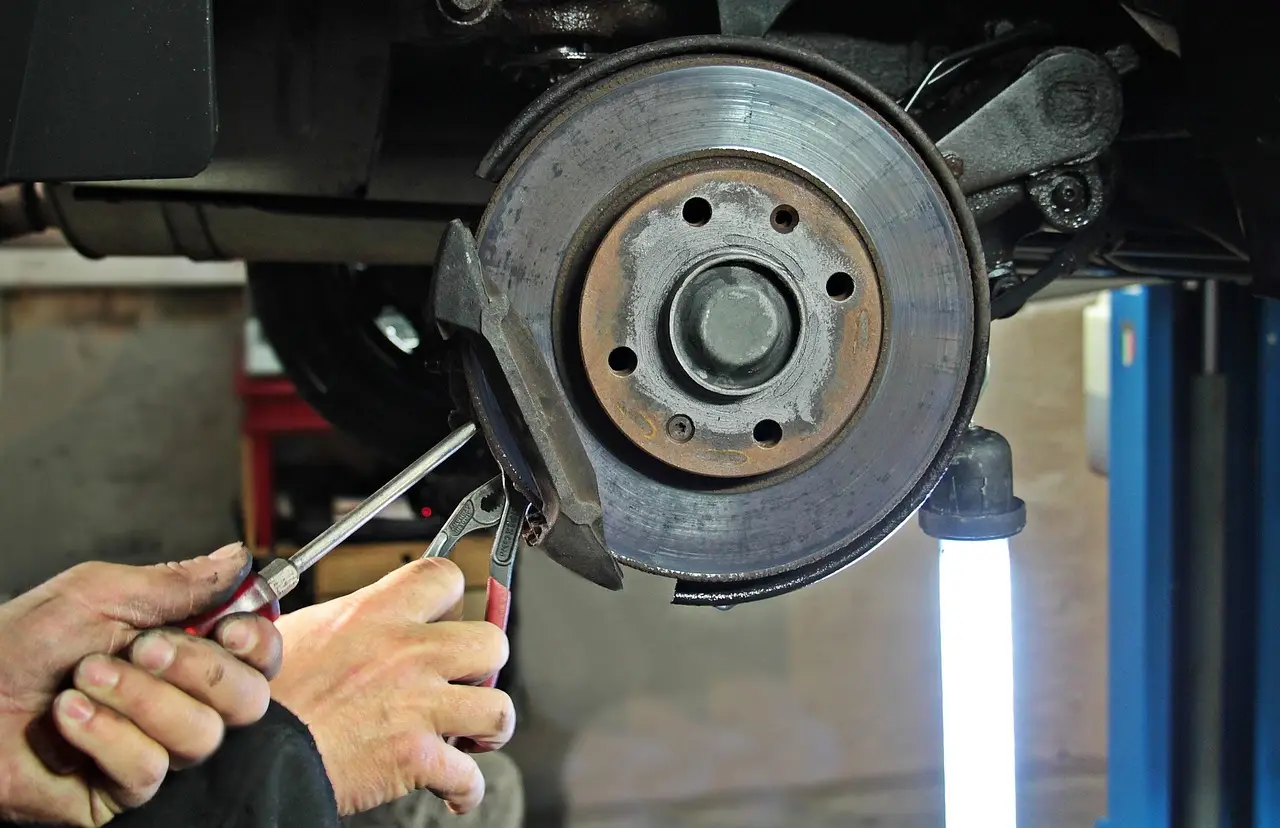
Over the next two years, Wong wants to build out an entry-level automotive program that exposes people to careers in machining, auto body and paint, and mechanics. JVS is also considering programs for electricians, plumbers, HVAC technicians and possibly water heater technicians, Wong said. No launch date has been set.
All JVS participants receive introductory AI literacy training covering the technology’s uses and limitations, Wong said. She initially assumed Gen Z would already be comfortable with AI, but that was not true across the board.
She said skilled-trade careers will keep requiring workers to learn new technology as tools change and the job market moves faster. Wong called a flexible learner’s mindset the most important priority regardless of career path. The next test for JVS Bay Area is whether its proposed programs can deliver jobs at the rate its closed IT support program failed to achieve.
Source: feeds.businessinsider.com
More from Amara Osei
Show full bio
Senior reporter covering companies, deals and strategy in entrepreneurship, startups and venture funding at Business Bearings.
2,786 articles