Labour Weighs £180 BBC Licence Fee on Netflix and Disney+ Viewers
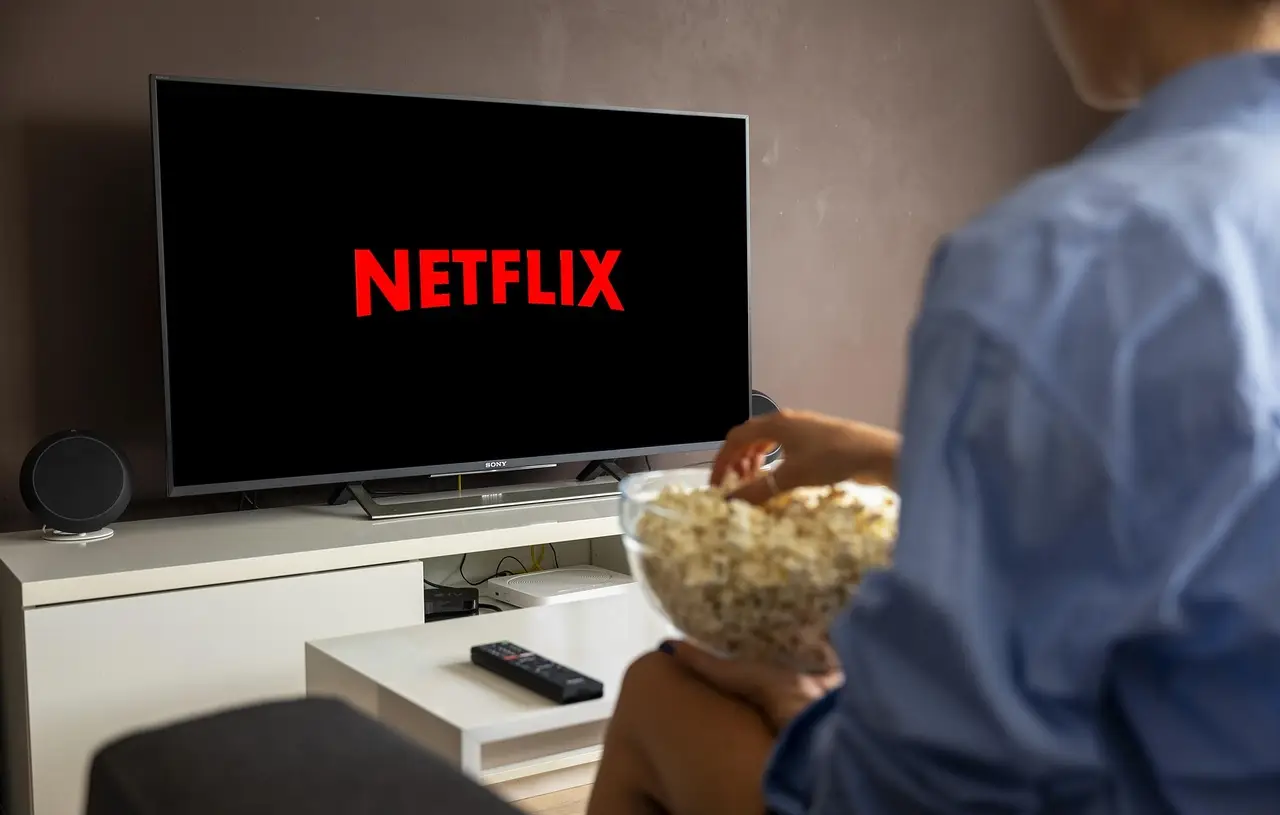
Labour is considering forcing Netflix, Disney+ and Amazon Prime viewers to pay the £180 BBC licence fee, The Times reports, as non-payment hits 23% of households and income is projected to halve in real terms by 2037-38.
By Olivia Hart
4 min read
What's News
- The Times reports Labour may extend the £180 BBC licence fee to streaming-only households.
- Licence fee non-payment rose from about 9% of households in 2015 to about 23% last year.
- Oliver & Ohlbaum Associates projects licence fee income could halve in real terms by 2037-38.
- The BBC reaches 94% of UK adults monthly but faces declining revenue and a frozen fee.
- The new funding model, part of the next 10-year charter, is due before the end of the year.
UK households that only watch Netflix, Amazon Prime or Disney+ could be forced to pay the £180 annual BBC licence fee under a policy Labour is considering, The Times reports. The government has not confirmed the move. No official figures, no published document, no enforcement plan — only a report.
The proposal would extend the fee's reach from television ownership to streaming subscriptions, even for households that never watch the BBC. That would cost a typical streaming-only household roughly £20 to £80 more per year than their current ad-free streaming plans. Whether the mostly American platforms tolerate a British tax on their user base is a separate, unresolved question.
What is driving the proposal?
The BBC's funding base is eroding fast. Non-payment of the licence fee climbed from about 9% of households in 2015 to about 23% last year, and the trend is accelerating, according to the source's figures.
Independent analysis this week goes further: fewer than half of British households will be paying the licence within a decade if nothing changes. Modelling from media consultancy Oliver & Ohlbaum Associates projects the BBC's licence fee income could be worth less than half its current level in real terms by 2037-38.
The £180 fee funds the entire corporation — news, journalism, television and radio programming. A decade of fee freezes and extra costs imposed by previous governments has left the BBC with less to spend, while production costs have risen sharply and streaming platforms have transformed viewing habits. The corporation remains the UK's most-used media brand, reaching 94% of adults every month. Reach is not the problem; revenue is.
The takeaway: the BBC still commands near-universal audiences, but the funding model attached to those audiences is collapsing on a measurable timeline.
What has the government actually said?
Very little, and nothing binding. Culture Secretary Lisa Nandy is working on a new funding model expected to form part of the BBC's next 10-year charter, with publication due before the end of the year.
Education Secretary Lucy Powell, appearing on Laura Kuenssberg's BBC show, declined to confirm or deny the report. Asked directly why people who only want to watch Netflix should pay for the BBC, Powell deflected to her cabinet colleague.
"I don't think any decisions have yet been taken and all of our proposals will be published in due course," Powell said.
She described Nandy as "looking at various proposals that can secure the long term future of the BBC, as a vital public service in this country and [to] make sure that it's got that long term financial sustainability as well." Every element of that promise — the proposals, the sustainability, the timetable — remains unpublished.
The takeaway: the only on-record government statement is a refusal to confirm the story, which means the plan is real enough to brief to a newspaper but not yet real enough to defend on air.
What are the obstacles?
Three, at minimum. First, the streamers: Netflix, Disney, Amazon and YouTube would face a charge imposed on their British subscribers, and their reaction is unknown. Second, enforcement: the current regime struggles with detection, and non-payment is already rising. Third, politics: a more radical alternative — a general household levy for the BBC — has already been ruled out by the Treasury as politically impossible.
Notably absent from the reporting: any estimate of how much revenue the extension would raise, any mechanism for collecting it, and any indication of whether streamers would pass the cost to subscribers or absorb it. The plan's price tag and its enforcement design are both blank.
The takeaway: the government has ruled out the harder option and floated the easier one without specifying how it works or what it yields.
What happens next?
The funding model lands before the end of the year, folded into the BBC's next 10-year charter. Until then, the £180 question — and whether streaming households will pay it — rests on a single newspaper report and a minister's "no decisions taken yet." The Oliver & Ohlbaum projections give the government a clock: at current rates, the fee's real value halves by 2037-38.
Source: theguardian.com
More from Olivia Hart
Show full bio
Staff writer covering people, launches and day-to-day practice in entrepreneurship, startups and venture funding at Business Bearings.
2,805 articles