Ken Griffin Calls Trump Tariffs a 'Disaster,' Backs Robot Factories
Citadel's Ken Griffin says Trump's tariff agenda was doomed from the start: 'It's been pro-inflation' and most Americans 'don't want to live that dream' of factory work.
By Daniel Okafor
3 min read
Updated
What's News
- Ken Griffin called Trump's tariffs a 'disaster' 18 months after the 'Liberation Day' announcement.
- Griffin cited 4.2% unemployment as evidence Americans won't take factory jobs.
- The St. Louis Fed counts about 12.6 million Americans employed in manufacturing.
- Griffin announced a $3 billion gift to Carnegie Mellon University Miami in September.
- Bill Gates proposed a robot tax in an August essay to fund retraining.
Citadel CEO Ken Griffin has branded President Trump's tariff-driven reindustrialization agenda a "disaster," 18 months after the president's "Liberation Day" Rose Garden address. "To be blunt, like, I hate to say it, but I've been right. It's been pro-inflation," Griffin said yesterday at the Citadel Securities Future of Global Markets conference.
The billionaire's verdict lands on a plan Trump sold with a specific promise: "jobs and factories will come roaring back into our country." Griffin argues the promise failed on its own logic.
Why does Griffin say the plan was doomed?
The mechanism, in his telling, runs through supply chains and wages. "It has certainly taken supply chains around the world and severed them. And we're not going to industrialize efficiently in our country," Griffin said. "Unemployment's low [4.2%], like if you have this dream of an industrialized America, number one is most people don't want to live that dream. They don't want to be in factories making Nike's and T-shirts."
That claim has support in labor-market data. Moody's chief economist, Mark Zandi, noted this summer that native-born unemployment among Americans had begun to rise, based on analysis of a 12-month moving average of seasonally unadjusted data. Part of the reason, Zandi told Fortune, is that U.S.-born workers refuse jobs historically held by immigrant workers at relatively lower wages.
"It just goes to show how difficult many of these jobs are," Zandi said. "Native-born workers would take them, but it would require much, much higher wages … [and that] would make it uneconomic for the businesses to actually produce whatever it is they're doing."
He added: "These jobs are typically ones that are very difficult, very arduous jobs that require a lot of physical hardship, and the native-born workers just haven't done these jobs for quite some time and are in no mood to take them now—certainly not at these wages."
What is Griffin's alternative?
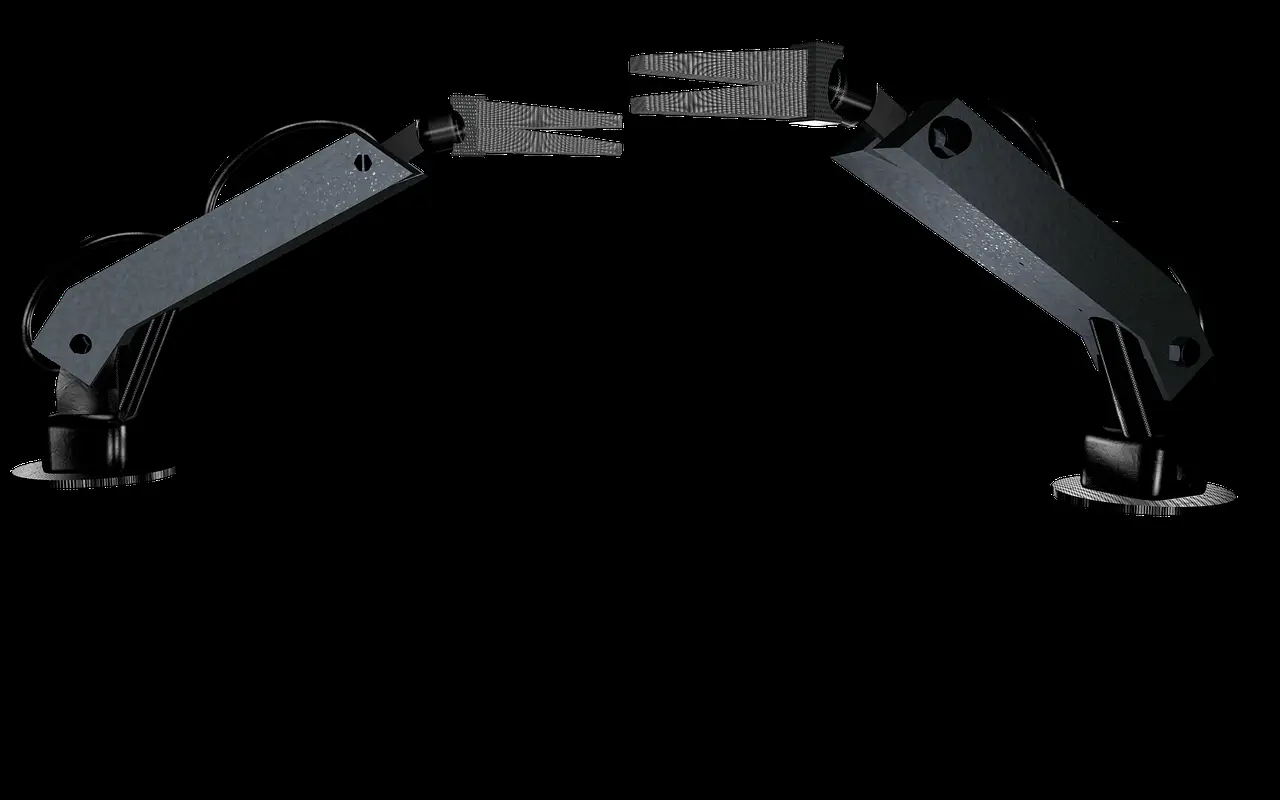
Griffin wants robots, not production lines staffed by people. He advocates AI-driven robotics to manufacture essential goods efficiently in the U.S. In September, he announced a $3 billion gift to Carnegie Mellon University Miami to pursue the "next era of American innovation."
"We want re-industrialized America to be a really industrialized America with robotics running our factories," Griffin said. "Like, that's forward-thinking. That's how our country secures greater independence from the rest of the world on items that are important to our national interests."
Who loses if robots take the factory floor?
The robotics pitch collides with the scale of existing manufacturing employment. The St. Louis Fed estimates roughly 12.6 million Americans work in manufacturing, predominantly in electrical and component manufacturing. The Bureau of Labor Statistics puts the industry's share of total employment at 7.4% in 2025, projected to slip to 7.2% by 2035.
The sector matters less to total employment than retail, healthcare, or state and local government. It remains a lifeline to millions — which is why Microsoft co-founder Bill Gates proposed a robot tax in an August essay.
"A tax would slow the rush away from human labor a little and raise money for retraining and a stronger safety net," Gates said. "It would need to be targeted so it does not slow down the purely beneficial uses of AI, like making medicine and education cheaper."
The divide now runs between two billionaires with the same diagnosis: factories staffed by humans will not return. Griffin bets on capital and robotics; Gates bets on taxation to fund the adjustment. Both leave the 12.6 million manufacturing workers waiting to see which future arrives first.
Original: presidency.ucsb.edu
More from Daniel Okafor
Show full bio
Correspondent covering money, funding and market shifts around entrepreneurship, startups and venture funding at Business Bearings.
1,040 articles