La Colombiana Hamburger went full-time after buying a trailer in July 2026
Maria Leon Rodriguez took La Colombiana Hamburger from a Fitchburg back porch to a full-time trailer in July 2026, drawing customers from Springfield, Boston and New Hampshire.
By Olivia Hart
3 min read
What's News
- La Colombiana Hamburger became a full-time food truck in July 2026.
- Maria Leon Rodriguez began selling empanadas, arepas and hot dogs from her back porch in 2020.
- The Fitchburg Public Market stall opened in August 2024.
- The Worcester Regional Food Hub course was free and lasted eight weeks.
- Rodriguez reports customers from Springfield, Boston and New Hampshire.
By Olivia Hart
Edible Boston reported that Maria Leon Rodriguez bought a trailer in July 2026 and took La Colombiana Hamburger onto the road full-time. That purchase capped a six-year progression from back-porch sales in 2020 to a full-time mobile business in Fitchburg, Massachusetts.
Rodriguez, a former Bank of America employee, first served empanadas, arepas and hot dogs with tangy sauces and melted cheese from her porch, according to Edible Boston. The early menu included three distinct formats, though the report gives no sales mix among them.
How did the back-porch business become a food truck?
Rodriguez expanded her operation after enrolling in the Worcester Regional Food Hub’s Launching New Food Entrepreneurs program. The free eight-week course covered permits, food safety, wholesale ordering and marketing, Edible Boston reported.
The course carried no tuition, but that did not make entry free of every business expense. The account says Rodriguez enrolled; it does not say she completed the course, which permits she obtained or how much she spent on licensing and equipment. Free training cannot substitute for a disclosed startup budget.
In August 2024, she opened a stall at Fitchburg Public Market, a shared kitchen and food hall for small vendors. The timeline shows roughly four years between the 2020 porch start and the market stall, followed by 23 months before the full-time trailer move.
The staged progression suggests deliberate expansion, but it provides no measured financial return. Neither the stall nor the transition to full-time truck operation comes with disclosed revenue or profit data.
What is the customer draw?
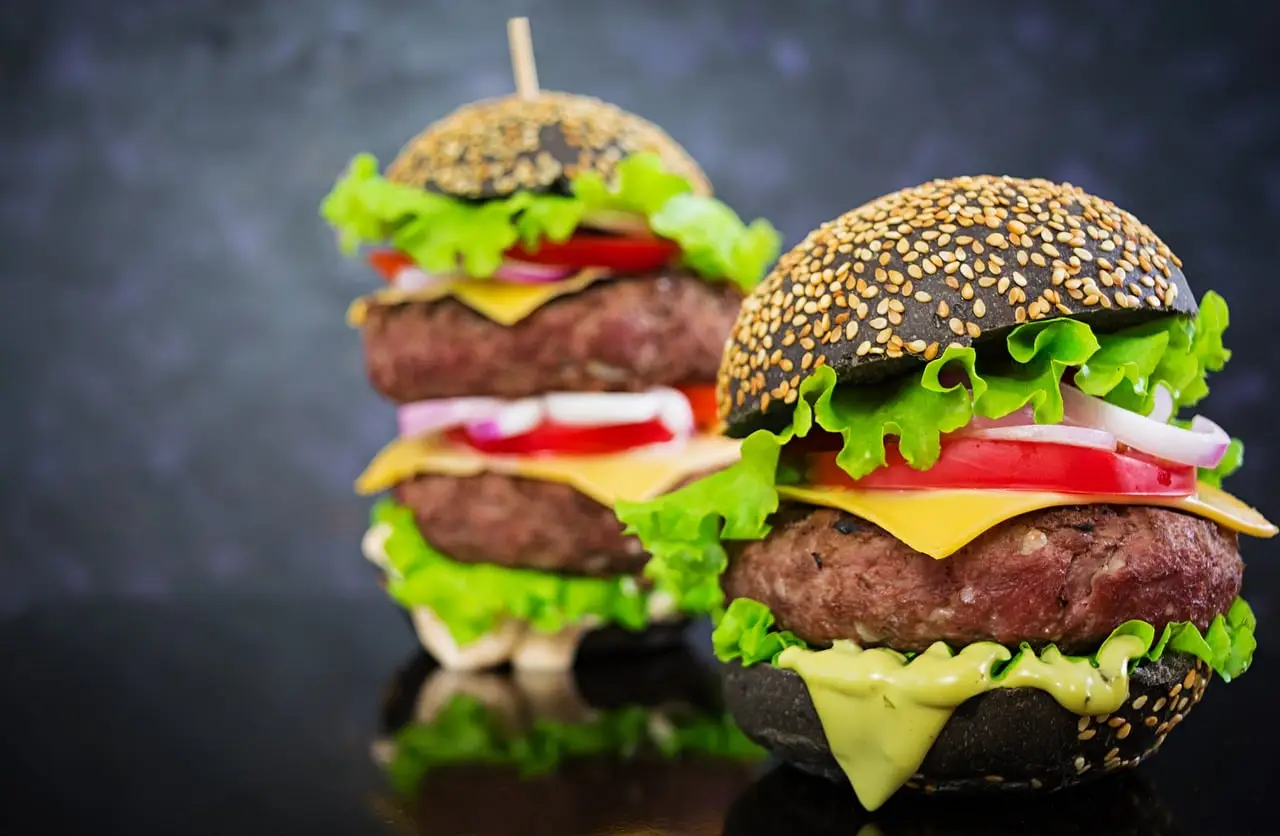
Edible Boston identified a Colombian burger as Rodriguez’s bestseller. She tops it with onions caramelized in brown sugar and butter.
“I think my food gives people the comfort of home,” she said. Her quoted pitch centers on comfort, although the report gives no prices, unit sales or ingredient costs. The signature item is identifiable, but its volume and economics are not.
Where does the full-time operation produce its food?
In July 2026, Rodriguez bought the trailer and took La Colombiana Hamburger onto the road full-time. She still uses Fitchburg Public Market as her commissary kitchen, according to Edible Boston.
That setup allows her to serve beyond the market hall while retaining access to a shared production space. The source does not disclose the trailer’s weekly schedule, parking sites or current food-truck permit status. Mobility expands the sales platform, but the dependency on the market kitchen remains and both service frequency and operating costs go undisclosed.
How far does the customer base reach?
“Now people come from Springfield, from Boston, from New Hampshire to try my food,” Rodriguez said. Edible Boston also described the business as drawing customers from as far away as Boston and New Hampshire.
The account identifies three customer origins, but it gives no customer counts, average order values or repeat-purchase rates. It also does not distinguish regulars from occasional visitors who make a special trip. Geographic reach offers stronger evidence of demand than a standard stall, though its volume and value remain unknown.
What does the full-time switch leave unproven?
Rodriguez’s July 2026 purchase represents an operating commitment, not a disclosed financial windfall. Edible Boston reports no revenue, profit, capital invested, staffing plan, supplier terms or forecast for La Colombiana Hamburger.
The report also does not say whether the business was profitable before or after the trailer purchase, or whether Rodriguez hired staff. The truck may widen her customer base, but the source provides no evidence that sales volume or margins rose enough to support a forecast. Full-time status marks a milestone, not proof of financial sustainability.
The next test is whether customers from Springfield, Boston and New Hampshire keep buying from a trailer whose food still comes from the Fitchburg market kitchen. Without sales, cost or demand-frequency data, the durability of the full-time model remains open.
Original: lacolombianahamburger.com
More from Olivia Hart
Show full bio
Staff writer covering people, launches and day-to-day practice in entrepreneurship, startups and venture funding at Business Bearings.
2,535 articles