MBody AI Has Cleaned 561 Million Square Feet With Orchestrated Robot Fleets
MBody AI's hardware-agnostic Orchestrator runs mixed-brand robot fleets for Fortune 500 clients, and CEO John Fowler says adoption is accelerating as labor costs climb.
By Daniel Okafor
4 min read
What's News
- MBody AI has cumulatively cleaned roughly 561 million square feet across hospitality deployments.
- Robots perform operational work for Fortune 500 customers, generating revenue and repeat business.
- CEO John Fowler previously built Supreme Cannabis, raising over $250 million before its 2021 sale to Canopy Growth.
- A gaming customer moved from one corridor cleaning per day to three after deploying a robotic fleet.
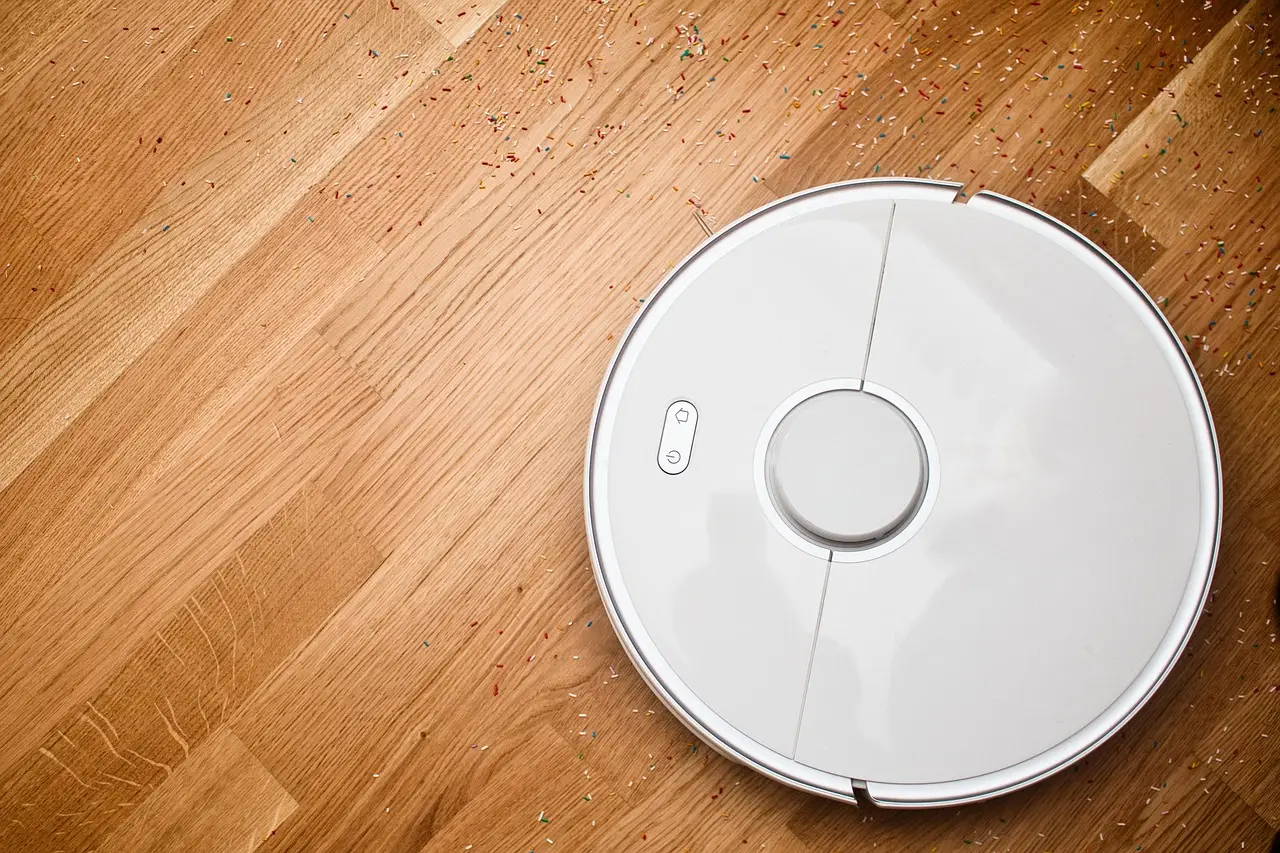
MBody AI has provided robotic cleaning services covering approximately 561 million square feet for enterprise customers, and its robots now do operational work for Fortune 500 accounts that pay and come back for more. CEO John Fowler laid out the company's model, economics and expansion plans in an interview with Pulse 2.0.
The core product is the MBody AI Orchestrator. It is a hardware-agnostic platform that deploys, manages and scales robotic workforces built from robots made by different manufacturers. Fowler compared it to a shift manager for machines.
Why the CEO left cannabis for robots
Fowler's path to robotics ran through law and public markets. He practiced commercial and securities law, then moved into operating companies.
"In 2014, I founded The Supreme Cannabis Company, which I helped build from an early-stage business into a publicly traded company," Fowler said. "We ultimately raised and deployed more than $250 million, grew to nearly 1,000 employees and were acquired by Canopy Growth in 2021."
He joined MBody AI because he sees enterprise robotics at the same inflection point cannabis once occupied. "Robotics has reached a point where the technology can deliver real value, but enterprises are still figuring out how to deploy it effectively at scale," he said. "I saw an opportunity to help solve that problem and build a significant business around it."
What problem does the Orchestrator solve?
The company emerged from a coordination problem that surfaces quickly in real operations. Enterprises buy robots from multiple vendors, and each machine arrives with its own software, operating system, parts and repair supply chain.
"You might have one robot cleaning floors, another handling a different task and a third from an entirely different manufacturer," Fowler said. "Each one can have its own software and operating system, with different parts and repair supply chains."
The Orchestrator pulls those systems into one management layer. Fowler described it by analogy to a human manager: "The manager assigns jobs, checks that they're completed, responds when something changes, and looks for ways to make the operation more efficient. Orchestrator is designed to do that for a robotic workforce."
The platform is not tied to any robotics manufacturer. That lets enterprises pick the best machine for each task while managing everything through one system. "An enterprise can use the robots that make the most sense for its operation, and we'll help them identify them, while having a single platform to manage it all," Fowler said.
How does MBody AI differ from robot builders?
Most robotics companies are built around one piece of hardware. Fowler argues that approach breaks down as enterprises adopt more machines and accumulate incompatible systems.
"We're hardware-agnostic, so we're able to work across different manufacturers and applications," he said. "From the customer's perspective, the goal is to make the robotic workforce feel like one system rather than a collection of individual machines."
The management burden scales with fleet size. One robot doing one job is simple. Dozens of robots doing different jobs from different manufacturers is not.
"The customer shouldn't have to become an expert in all of that just to get the benefit of automation," Fowler said. "We want an enterprise to be able to say, 'Here are the jobs we need done,' and have the robotic workforce handle the coordination behind the scenes."
What do customers actually get?
MBody AI measures value through productivity, uptime and the cost of completing a job. Fowler offered a concrete example from a gaming customer that needed a corridor cleaned once per day.
"After deploying a robotic fleet, they were able to clean that same corridor three times a day to the same standard, without expanding the workforce," he said. "The customer wasn't interested in owning a robot for the sake of owning one. They wanted a cleaner facility and a better guest experience."
Most deployments to date sit in hospitality, particularly casinos and resorts. Moving beyond pilots into paid, repeat operational work for Fortune 500 customers ranks as the company's most important milestone. Field experience now shapes product direction.
"We're thinking less about individual robots and more about how an entire robotic workforce should operate, communicate and improve over time," Fowler said.
What comes next?
Fowler expects adoption to accelerate on two pressures: hardware that finally performs and labor markets that keep tightening. "The hardware has gotten effective enough that companies can start looking at robots as a practical part of their workforce rather than an experiment," he said. "At the same time, labor costs are going up, and many businesses are having a hard time finding people for certain jobs."
The company's roadmap includes new markets, deeper expansion inside existing enterprise accounts and added Orchestrator capabilities. Outdoor commercial work is the next frontier: cleaning, mowing for lawns and golf courses, and parking lot striping.
"If we can make robotic workforces easier to deploy, manage, and scale, we think there's a very large opportunity ahead," Fowler said. The bet is that the market's center of gravity shifts from buying the first few robots to managing hundreds — and that whoever owns the orchestration layer owns the enterprise relationship.
Source: pulse2.com
More from Daniel Okafor
Show full bio
Correspondent covering money, funding and market shifts around entrepreneurship, startups and venture funding at Business Bearings.
1,980 articles