Meta Puts Muse AI Agent on Apple Watch and Android Wear OS
Meta's Muse AI agent hits Apple Watch and Wear OS after reaching 10 million U.S. downloads in 40 days — one of only 12 apps ever to do so.
By Nathan Brooks
3 min read
What's News
- Meta launched Muse on Apple Watch and Android Wear OS on Monday, supporting voice calls, texts, and dictation.
- Muse passed 10 million U.S. downloads in its first 40 days on the App Store — one of only 12 apps ever to do so.
- Meta rolled out video chat with Muse avatars for U.S. users last week, with 'subtle expressions and gestures'.
- Spaces, launched days ago, are on-the-fly mini apps built around specific conversation goals.
- Muse first launched on the App Store in September, followed by a dedicated iPad app one month before the watch debut.
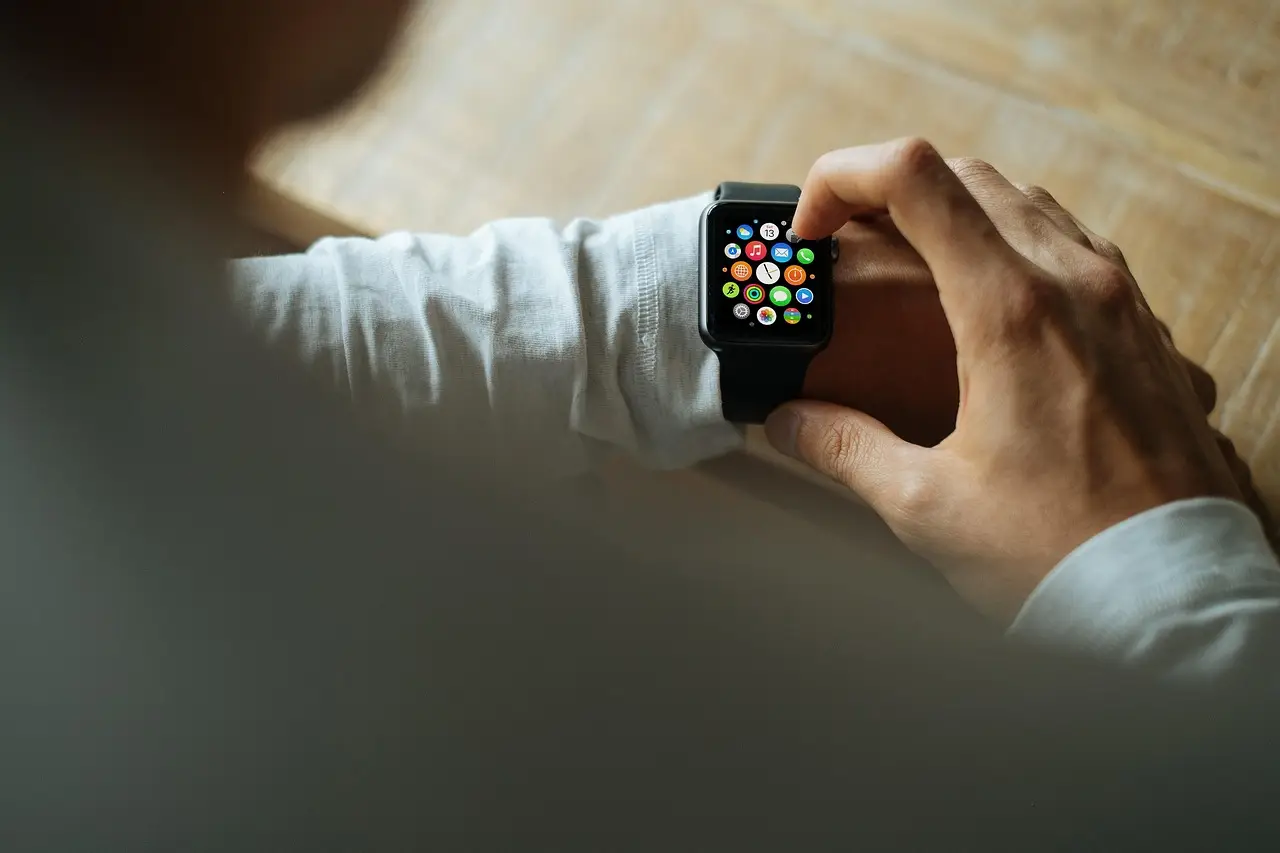
Meta's Muse AI agent is now available on the Apple Watch and Google's Wear OS, the company announced Monday, letting users talk to the assistant by voice call, text message, or dictation straight from a smartwatch.
The wrist launch lands just one month after Meta shipped a dedicated iPad app for Muse. The assistant first appeared on the App Store in September. That pace — phone, tablet, and now two smartwatch platforms in a single quarter — tells you where Meta is placing its consumer AI bets. Muse isn't a side project; it's being positioned as a central pillar of Meta's ecosystem.
How fast is Muse actually growing?
The download numbers are the story here. Muse became one of only 12 mobile apps to pass 10 million U.S. downloads within their first 40 days on the App Store. Just 11 other apps have ever hit that milestone. The most recent before Muse was Meta's own Threads in July 2023 — meaning Meta now owns two of the twelve slots on that list.
Put another way: fewer than a dozen apps in App Store history have matched this trajectory, and Muse joined the club in under six weeks. For practitioners watching consumer AI adoption, that's a benchmark worth writing down.
What does Muse actually do?
Muse sits in a crowded field of dozens of consumer-facing AI agents, and its feature set overlaps heavily with rivals. Users can connect accounts so the agent manages email, meetings, bills, and similar admin. It also handles transactions and errands: booking reservations, ordering groceries, setting goals, and making purchases.
There's a personalization layer too. Users can customize their Muse avatar into something resembling a person, an animal, or another type of character. That avatar work isn't cosmetic — it feeds directly into the product's newest features.
Meta is shipping capabilities at speed
Despite Muse being a relatively new product, Meta hasn't slowed its rollout cadence. Three recent additions stand out:
- Spaces. Launched a few days ago, Spaces are dedicated conversations organized around specific topics. Meta describes them as "custom experiences" — effectively mini apps built on the fly. They live in the Muse sidebar and open a focused thread where the agent works toward a particular goal on the user's behalf.
- Video chat with avatars. Rolled out last week for U.S. users, the feature lets people video chat with their Muse avatar. Meta said the avatar will use "subtle expressions and gestures" that reflect the tone and context of the conversation as it speaks.
- Voice interaction on watches. Monday's launch extends the assistant to wrists across both major wearable platforms.
One caveat on the video feature: Muse doesn't actually see users. It hears them and responds in real time, but the camera isn't part of the equation yet.
What does this change for the consumer AI market?
The smartwatch move matters for two reasons. First, it puts Muse on the two wearable platforms that matter — Apple Watch and Wear OS — before most rival agents have a serious wrist presence. Second, it signals that Meta views ambient, always-available access as the battleground, not standalone chat windows.
The combination is what should catch competitors' attention. An agent that manages your inbox and groceries, chats by video with an expressive avatar, organizes work into self-built mini apps, and now rides on your wrist is aiming to become default infrastructure for daily tasks.
For developers and AI companies building rival agents, Muse's 40-day, 10-million-download sprint sets the adoption bar. And with Spaces turning the product into a platform for on-the-fly mini apps, Meta is quietly inviting the kind of ecosystem lock-in that made its earlier apps durable. Expect the wear OS and Apple Watch integrations to be a first step, not a finish line — the avatar and Spaces features suggest Meta sees Muse as an interface layer across every screen a user touches.
Original: x.com
More from Nathan Brooks
Show full bio
News editor covering regulation, policy and their impact on entrepreneurship, startups and venture funding at Business Bearings.
2,029 articles