More than 60 Labour MPs back Rosebank rejection letter
More than 60 of about 400 Labour MPs support a letter rejecting Rosebank as ministers weigh jobs, energy security, household bills and climate targets before a licence decision.
By Grace Kim
4 min read
What's News
- More than 60 of about 400 Labour MPs indicated support for an unsent letter opposing Rosebank.
- About a dozen Labour MPs raised concerns at Wednesday’s Westminster Hall debate, which included no vote.
- Rosebank and Jackdaw licences date from 2023 and 2022, respectively, under the then-Conservative government.
- The Court of Session in Edinburgh ruled last year that the original government approvals were unlawful.
- The UK targets net zero by 2050 and no more than 1.5C of warming above pre-industrial levels.
By Grace Kim
More than 60 of about 400 Labour MPs have indicated support for an unsent letter telling Prime Minister Andy Burnham to reject the Rosebank oil field, according to the BBC.
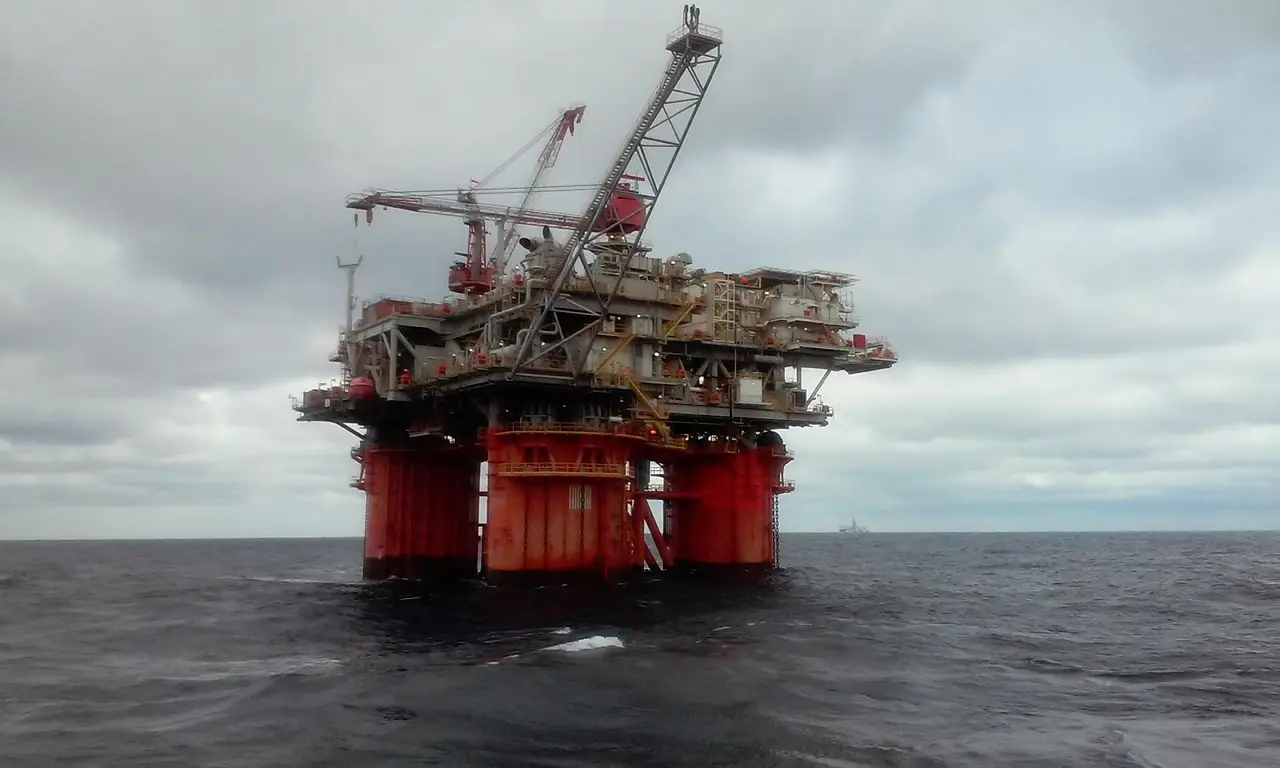
The BBC reported that senior Labour figures increasingly expect approval of drilling at Rosebank, off the north-west coast of Shetland. About a dozen Labour MPs expressed concerns during Wednesday’s Westminster Hall debate.
What decision is the government facing?
Prime Minister Andy Burnham said on Wednesday that a decision would be “taken in due course.” Energy Secretary Miatta Fahnbulleh said the affordability of energy bills was her “overriding objective.”
The UK government has always insisted that Rosebank is a quasi-judicial decision that formally rests with Fahnbulleh. Rosebank therefore hangs in the balance as Labour weighs a project its own MPs say conflicts with the party’s climate commitments.
The pending choice tests Labour’s climate pledge and its stated priority for household energy costs.
Why are Labour MPs opposing Rosebank?
Westminster Hall is a parliamentary debate in which backbench MPs raise topical issues without voting. Green MP Carla Denyer organised Wednesday’s session.
Some Labour backbenchers organised the letter opposing Rosebank. It is intended for Burnham but has not been sent, and more than 60 of about 400 Labour MPs indicated support.
One signatory told the BBC that approving Rosebank “would not create new jobs, would bring minimal money into the Treasury and be bad for the climate.”
The same MP said: “The government's central aim is to tackle the cost of living crisis, and drilling for more oil at Rosebank isn't the answer.”
Labour MP for Sheffield Central Abtisam Mohamed told the debate:
“Rosebank fails on every test. It will not benefit taxpayers who will shoulder the vast majority of the development costs, it will not strengthen our energy security because most of the oil will be sold on international markets, and it will not reduce energy bills for our constituents, who will remain exposed to volatile fossil fuel prices.”
Richard Burgon, a former frontbencher on the party’s left, said: “Rosebank is not compatible with our climate targets - it's dangerous to pretend otherwise.”
The opposition case rests on three claims: taxpayers shoulder most development costs, most oil reaches international markets, and households remain exposed to volatile fossil-fuel prices.
What do MPs say about jobs and energy security?
Labour MP Anna Gelderd said:
“We live in an unprecedented era where our energy security is more vital than ever, in which jobs and wealth must be protected and economic opportunities seized - on both of these points, Rosebank fails.”
Julia Buckley said she had received opposition to Rosebank from constituents in “regularly flooded Shrewsbury” and said fossil fuels “belong in the past, not the future.” She urged Fahnbulleh to “reject the oil licence in favour of renewables,” adding: “Please don't add further to our climate emergency.”
Recently departed veterans minister Al Carns warned that Britain would need fossil fuels for decades and that importing more would be a mistake. He said:
“Refusing to produce it here does nothing on its own to eliminate that demand - it simply increases our reliance on imports which can carry their own environmental cost.”
Jonathan Brash, Labour MP for Hartlepool, cited ties between his constituency and the oil and gas industry. He stressed the British jobs that approval could support.
MPs supporting approval frame domestic production as a hedge against import dependence, while opponents say Rosebank fails on climate, consumer-cost and energy-security tests.
Why is the licence back before ministers?
The UK has committed to net zero by 2050 and to limiting global warming to no more than 1.5C above the pre-industrial period. Labour’s manifesto upon entering power in 2024 pledged not to “issue new licences to explore new fields.”
Licences for Jackdaw and Rosebank were granted by the then-Conservative UK government in 2022 and 2023, respectively. Jackdaw is a North Sea gas field.
Last year, the Court of Session in Edinburgh ruled that the government had made the approvals unlawfully. The ruling left Labour to decide afresh whether to approve Rosebank. Fahnbulleh green-lit production at Jackdaw last month, but Rosebank remains unresolved.
At Prime Minister’s Questions on Wednesday, Conservative leader Kemi Badenoch sought to tease out Labour divisions over the project.
A fresh Labour decision now comes under a 2024 manifesto pledge, even though Rosebank’s original licence dates from 2023.
How will Burnham’s government decide?
Energy minister Michael Shanks told the debate that the government would take a “pragmatic approach” to the clean-energy transition. He said it was “not a turn off the taps government, but nor can we justifiably be a drill every last drop government either.”
Shanks also said: “This government will not make decisions for this country which are not compatible with our climate obligations.”
For Fahnbulleh, the coming decision must reconcile a 2024 Labour pledge not to issue new exploration licences with MPs’ claims that domestic production could protect jobs and reduce import reliance. Commons scrutiny has exposed, rather than resolved, the split inside her party.
Source: BBC Business
More from Grace Kim
Show full bio
Market editor covering people, launches and day-to-day practice in entrepreneurship, startups and venture funding at Business Bearings.
1,986 articles