NABARD Launches Two Livelihood Projects and Artisan Hub in Unakoti
NABARD launched two livelihood projects and a Common Facility Centre in Unakoti, Tripura on October 31, training 30 SHG women, 150 farmers and supporting 60 artisans with production and sales infrastructure.
By Grace Kim
3 min read
What's News
- NABARD launched two livelihood projects and a Common Facility Centre in Unakoti district, Tripura, on October 31.
- The MEDP project at Chandipur will train 30 women from rural Self-Help Groups in handicraft skills for micro-enterprise creation.
- The SRIJAN project will provide training and technical guidance to around 150 beneficiaries in integrated farming.
- The Common Facility Centre at Chirakkiti, built under NABARD's LEDP, supports 60 previously trained artisans with production infrastructure and a sales outlet.
- The initiatives were launched by Tanushree Bhattacharya, General Manager of NABARD's Tripura Regional Office, with NGO Growing Seed as implementer.
India's NABARD launched two rural livelihood projects and opened a Common Facility Centre for 60 artisans in Unakoti district, Tripura, on October 31. The three interventions target women's entrepreneurship, sustainable farming and market access in one of the state's rural districts.
Tanushree Bhattacharya, General Manager of NABARD's Tripura Regional Office, formally launched the programmes. Officials from NABARD, the district administration, the Tripura Rural Livelihood Mission (TRL M), the College of Agriculture and NGO Growing Seed attended. Growing Seed is implementing the initiatives on the ground.
The numbers frame the scale: 30 women trained in handicrafts, 150 farmers coached in integrated farming, and 60 artisans gaining a shared production and sales facility.
What does the artisan project deliver?
The flagship intervention is the Artisan Empowerment Initiative: Skilling Rural SHG Women in Handicrafts at Chandipur. It runs under NABARD's Micro Enterprise Development Programme (MEDP).
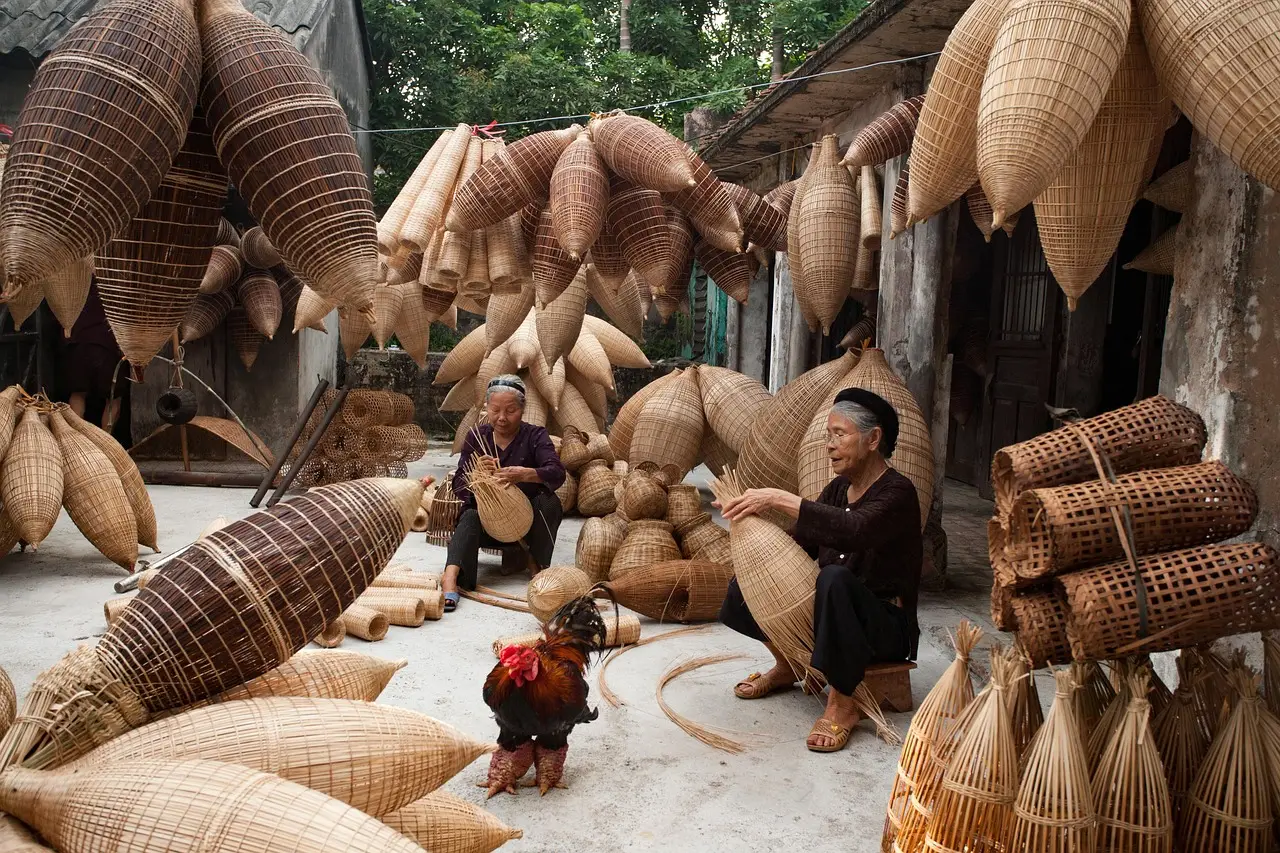
The project will equip 30 women from rural Self-Help Groups with practical handicraft-making skills. The stated goals are specific: help them establish micro-enterprises, raise their earning potential and achieve greater economic independence.
Skills training alone rarely moves incomes without market access. NABARD is pairing the training with infrastructure, which is where the third announcement comes in.
How does the Common Facility Centre work?
NABARD inaugurated a Common Facility Centre (CFC) at Chirakkiti under Gournagar block, built through its Livelihood and Enterprise Development Programme (LEDP). The centre serves 60 artisans who had earlier completed specialised training in handloom and handicrafts.
The facility has two functions bundled together. It houses production infrastructure so artisans can manufacture from a shared base, and it includes a dedicated sales outlet where they can showcase and market their products from a common platform.
Officials expect the centre to build stronger market linkages. That matters for local producers trying to reach a wider consumer base and improve the commercial viability of their crafts — the gap that kills most artisan micro-enterprises after training ends.
What is SRIJAN and who benefits?
The second project, SRIJAN — Sustainable Rural Innovation and Joint Action for Integrated Farming — targets farm incomes. Around 150 beneficiaries will receive training, technical guidance and skill development support to adopt integrated farming methods.
The design goal is twofold: improve productivity and generate additional household income through diversified, sustainable agricultural practices. In plain terms, farmers learn to stack income streams instead of relying on a single traditional source.
Why combine skills, infrastructure and markets?
Officials associated with the programme said the initiatives aim to create sustainable livelihood opportunities while strengthening women's participation in economic activities. The logic is that skills training, enterprise support and market access work only as a package.
The projects also carry a preservation angle. Stakeholders expect them to sustain traditional handicrafts while encouraging modern entrepreneurial practices and environmentally sustainable farming techniques.
With the two projects live and the Common Facility Centre operational, stakeholders believe Unakoti has moved closer to a rural development model driven by women's empowerment, skill-based entrepreneurship and sustainable agricultural growth.
The next test is execution: whether the 30 trained women and 60 artisans convert skills into revenue through the Chirakkiti sales outlet, and whether 150 farmers translate integrated farming training into measurable household income gains.
Source: GN: Entrepreneurship
More from Grace Kim
Show full bio
Market editor covering people, launches and day-to-day practice in entrepreneurship, startups and venture funding at Business Bearings.
1,429 articles