Pumpkin Farm Bought for $650,000 in 1993 Now Makes $2 Million
Kelly Schultz bought 85 acres near Buffalo for $650,000 in 1993 with no farming experience. His Great Pumpkin Farm now pulls in $2 million over seven weeks.
By Amara Osei
3 min read
Updated
What's News
- The Great Pumpkin Farm generated $2 million in revenue in 2025 while operating just seven weeks.
- Kelly Schultz bought the 85-acre Clarence, New York property for about $650,000 in 1993.
- More than 100,000 people visit the farm each fall.
- The NRF projects Americans will spend $13.5 billion on Halloween in 2026, up from $13.1 billion.
- 49% of Halloween shoppers now start buying in September or earlier, versus 34% a decade ago.
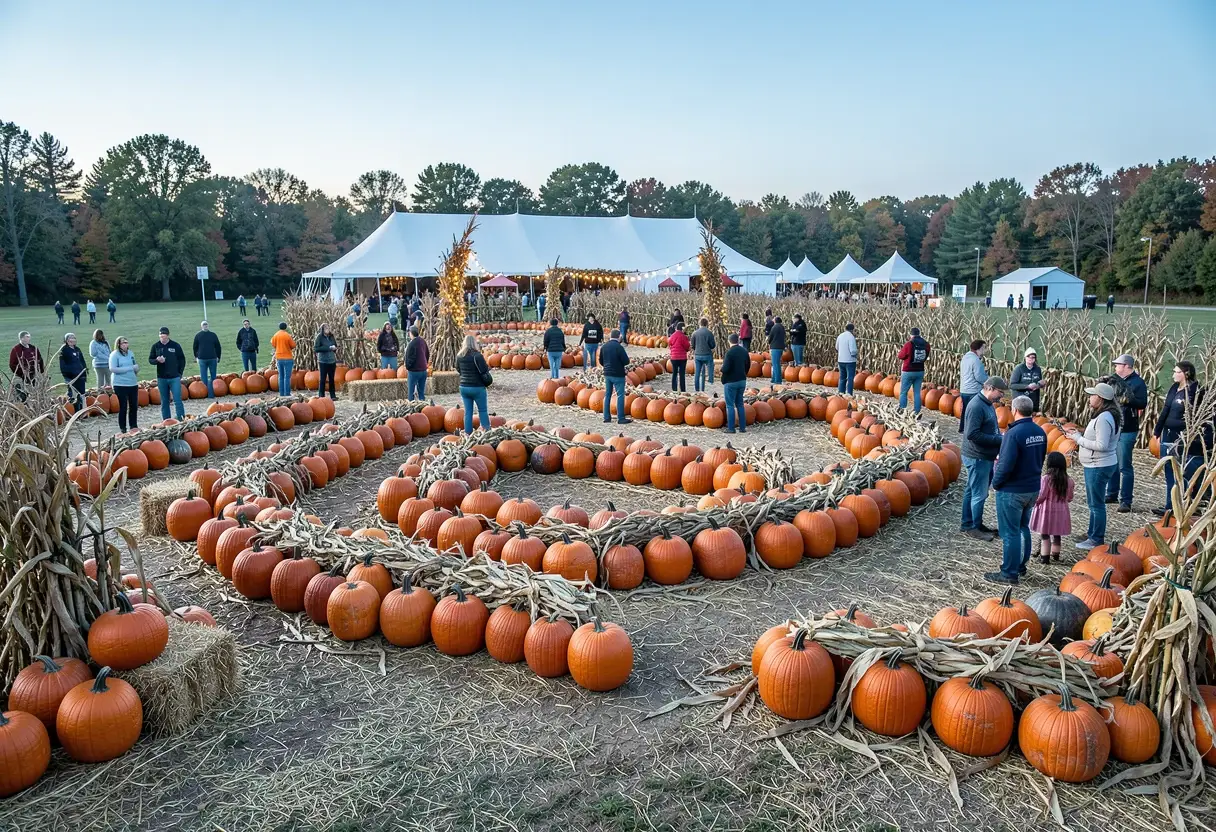
A pumpkin farm that Kelly Schultz bought for about $650,000 in 1993 generated $2 million in revenue in 2025 — while operating just seven weeks a year.
Schultz, 74, runs The Great Pumpkin Farm in Clarence, New York, roughly 15 miles northeast of Buffalo. More than 100,000 people visit each fall, according to his account in an interview with CNBC Make It, which reviewed the farm's financial documents.
The bet looked reckless at the start. Schultz was a second-generation antiques seller with zero farming experience. When he told friends and family he planned to open a pumpkin farm about 33 years ago, "Everybody laughed at me," he said.
Why an antiques dealer bought a cattle farm
The idea came from a trip to a crowded pumpkin patch in upstate New York in the early 1990s. Schultz noticed a rough operation with "muddy parking lots" and "not a whole lot of restrooms" — yet "a zillion people" kept browsing and buying pumpkins anyway.
"I looked around, and I said, 'I could do this, better than this,'" Schultz said.
In 1993, the former cattle farm next to his antique store hit the market. Schultz bought the 85-acre property for roughly $650,000 and set about converting it into a seasonal attraction.
The 2025 season runs from September 19 through October 31. Pumpkins are only part of the business now. The farm's attractions include:
- A pumpkin-themed train
- Pie-eating contests
- A five-acre corn maze
- Hayrides, live entertainment and other draws
Weekend admission costs $20, and some activities, including the corn maze, carry extra fees.
Attendance keeps climbing, Schultz said. "There are people that come here almost every weekend," he said. "They love it so much, they just keep coming back."
How big is the Halloween economy?
Schultz's seven-week window sits inside a holiday spending boom. The National Retail Federation's annual Halloween survey, released September 22 and based on 7,889 consumers, projects Americans will spend about $13.5 billion celebrating Halloween in 2026, up from $13.1 billion last year.
Consumers expect to spend an average of $115.14 per person on purchases ranging from costumes to decorations. Participation is broad and growing:
- 74% of consumers plan to celebrate this year, up from 68% in 2019
- 61% will hand out candy, the most popular tradition
- 50% will dress in costume
- 42% plan to carve pumpkins, and another 42% will decorate their homes and yards
Why the season starts earlier every year
The sales window no longer waits for October. Nearly half of Halloween shoppers, 49%, said they planned to start buying in September or earlier — compared with 34% a decade ago. That stretch gives seasonal businesses like Schultz's more weeks of selling before the holiday itself.
For Schultz, the numbers validate a purchase his circle once mocked. A $650,000 bet on an 85-acre cattle farm, made by a man who knew antiques but not agriculture, now clears $2 million a season in a business that opens its gates for seven weeks and closes them the rest of the year.
Original: cnbc.com
More from Amara Osei
Show full bio
Senior reporter covering companies, deals and strategy in entrepreneurship, startups and venture funding at Business Bearings.
1,108 articles