Saunas Are Replacing Nightclubs as America's Deal-Making Venue
With U.S. drinking at its lowest since 1939, an Entrepreneur columnist argues saunas now outperform coffee meetings for building trust — and Finnish data suggests the habit may protect the heart too.
By Olivia Hart
4 min read
What's News
- Only 54% of U.S. adults say they drink, matching Gallup's lowest recorded level since 1939.
- A Finnish study of 2,315 men found 4-7 weekly sauna sessions cut fatal cardiovascular disease risk by 50% versus once-weekly use.
- Barcelona, London and New York have opened 100-, 65- and 50-person sauna nightlife venues.
- A 2026 U.K. study of 1,907 sauna users linked weekly use to better self-reported health and belonging.
- SweatHouz operates more than 100 sauna studio locations across the U.S.
By Olivia Hart
Only 54% of U.S. adults now say they drink alcohol — matching the lowest level Gallup has recorded since 1939 — and according to an Entrepreneur columnist, the business world is relocating its most honest conversations accordingly: from bars and golf courses into the sauna.
The writer, a wellness-industry contributor, reports meeting a venture fund founder in the sauna at the Ritz-Carlton in Dallas. Ten minutes of conversation covered wellness science, technology and caring for aging parents. "We got further in those 10 minutes than most people do in months of coffee meetings," the author writes, noting the two have stayed in touch since.
The claim is anecdotal, and the author concedes as much elsewhere. But the pattern, the argument goes, is structural: no phones, no suits, no status markers, and equal discomfort for everyone in the room.
What Is Driving the Shift?
The columnist points to a nightlife transformation already underway. CNN recently named a sauna Barcelona's hottest new nightlife spot — a spa turned into a rave for 100 people built around wellness and sobriety. London's ARC opened with a 65-person sauna and DJ sets. In New York, The Altar planned a 50-person sauna on Fifth Avenue.
Clubs are not disappearing, the author argues, but the social job they performed — getting adults to drop their guard together — has found a new home. Gabby Reece, the former athlete and podcaster, called it "the truth barrel": the name of an older podcast she recorded in a sauna. It is hard to perform when you are half-dressed and dripping, and after five minutes nobody's title matters much.
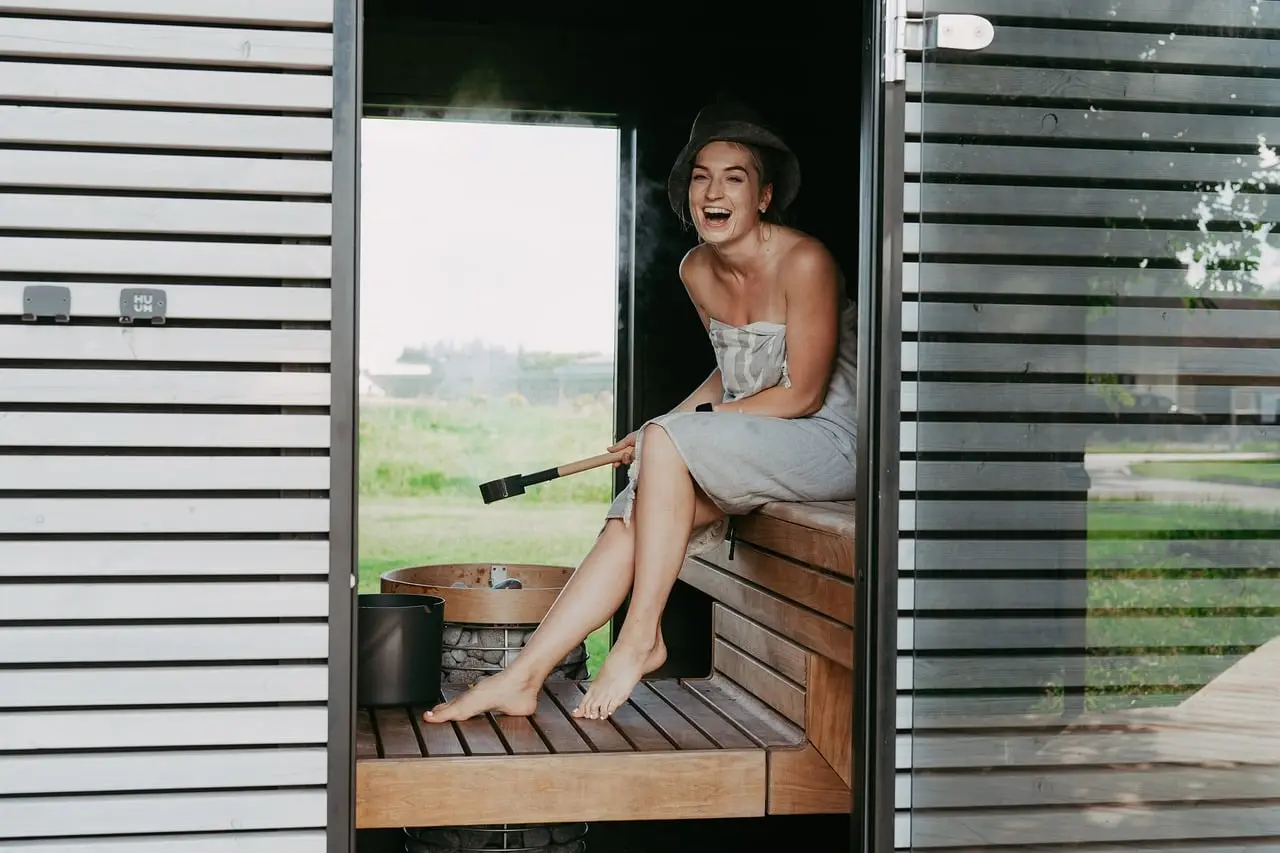
The author describes sitting in a 175-degree sauna at The Assembly Retreat, a gathering of a health-and-wellness network of investors, founders and operators. "No selling, no suits — except bathing suits," the author writes. "People help each other and tell the truth, and deal flow follows because you want to work with people you trust."
Take that claim with caution. Deal flow attributed to sweat is hard to audit, and the author's own revision of a 2023 position — from "a sauna session could leave you primed to negotiate or close a deal" to "the sauna doesn't help you close. It helps you trust" — shows how slippery the mechanism remains.
What Does the Research Actually Show?
A 2026 paper covering 1,907 sauna users in the U.K. tied weekly sauna use to better self-reported physical and mental health, with a sense of belonging explaining part of the link. The authors also connected ritual and shared emotion to stronger bonds. The author flags the caveat plainly: it is self-reported data from people already committed to sauna culture.
The cardiovascular evidence is stronger, though observational. In a Finnish study of 2,315 men followed for roughly 20 years, those using a sauna four to seven times a week had a 50% lower risk of fatal cardiovascular disease than once-a-week users. A later study of 1,688 adults, about half of them women, found the most frequent users had roughly a quarter of the fatal-event rate of once-weekly users.
An eight-week randomized trial of 47 inactive adults found that adding a 15-minute sauna after exercise improved fitness, systolic blood pressure and total cholesterol more than exercise alone, with blood pressure falling an additional 8 mmHg. A small sham-controlled trial suggested whole-body heat held promise for depression — though it used a medical heating setup, not a sauna. "I don't treat it as a cure," the author writes.
In plain words: the long-term mortality data centers on traditional saunas, not the infrared units spreading through commercial studios.
How Accessible Is the Trend?
The author keeps a home sauna at about 175°F for 20-minute sessions, three to four times a week, and advises newcomers to start shorter, wear a hat, use natural fibers, hydrate, skip alcohol and consult a doctor about heart conditions. SweatHouz, a studio chain with more than 100 locations, offers private infrared suites with cold plunges — though built for privacy more than community. Home buyers can look at SISU for design or Redwood Outdoors barrels, the author's own choice.
The deeper pitch is domestic: the author and their husband hold two sauna dates a week, alongside a non-negotiable Sunday walk. "The nightclub gave us a place to lose ourselves," the author writes. "The sauna gives us a place to be found out, and that turns out to be the better deal."
If drinking keeps falling and sobriety-oriented venues keep multiplying, the networking real estate once owned by bars and golf clubs is genuinely up for grabs. Whether trust built at 175 degrees converts to term sheets at any scale is the question no study has yet answered.
Original: cnn.com
More from Olivia Hart
Show full bio
Staff writer covering people, launches and day-to-day practice in entrepreneurship, startups and venture funding at Business Bearings.
2,418 articles