Workplace Bonding Moves Beyond Alcohol With Three Alternatives
Eventbrite says book-club events have grown 31%, while 33% of employees do not want to drink at work events. The proposed alternatives: movement, reading and volunteering.
By Grace Kim
4 min read
What's News
- Eventbrite reports that book-club events have grown 31%.
- 33% of employees do not want to drink at work events.
- 15% of employees felt obligated to drink at work events.
- Wellhub identifies Tuesdays at 6 p.m. as the global peak for wellness activity.
- The suggested volunteering cadence is one team outing every quarter.
By Grace Kim
Eventbrite data show book-club events have grown 31%. An Entrepreneur contributor cited figures showing that 33% of employees do not want to drink at work events, while 15% felt obligated to do so. The underlying survey is not named.
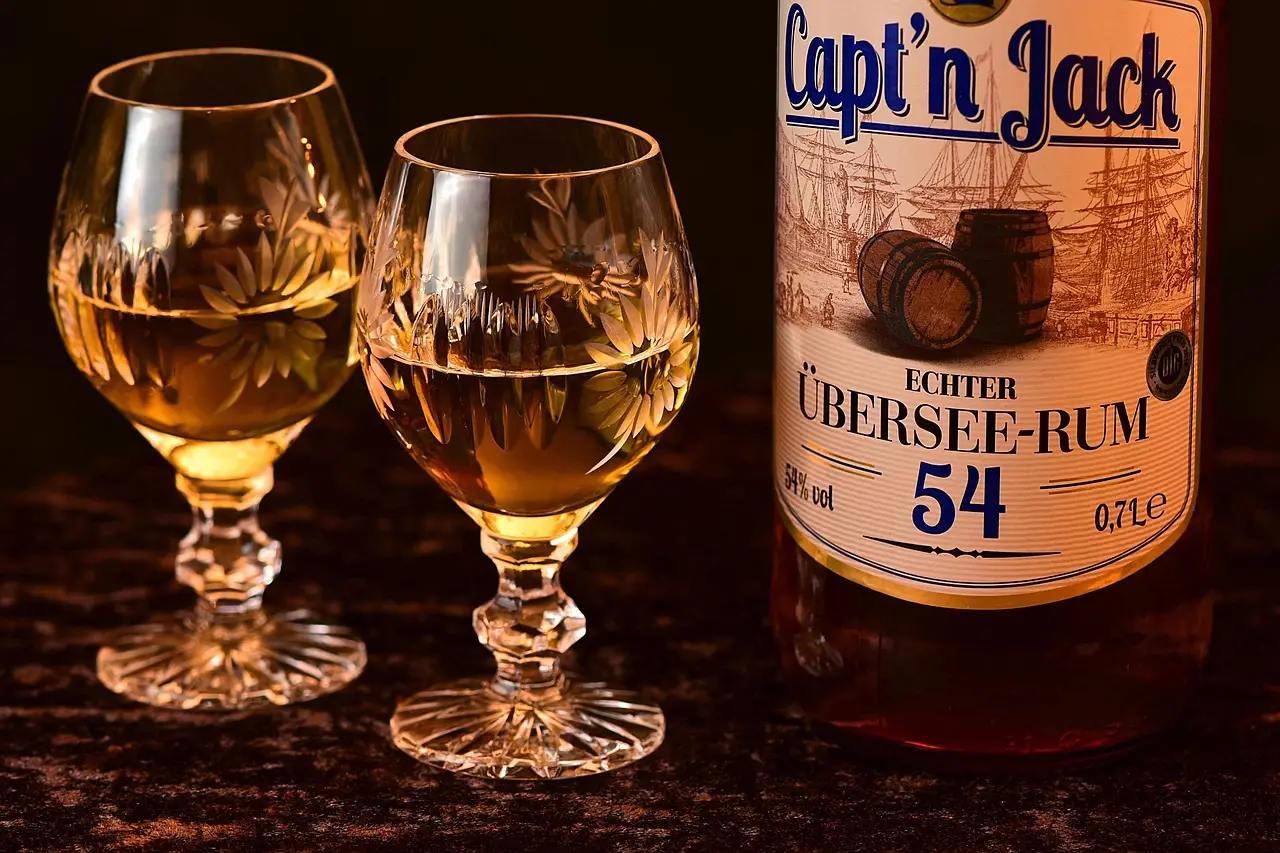
I argue that this creates a design problem for alcohol-centered team events: employees who do not drink, or who feel uncomfortable drinking with their boss, may disengage or skip happy hours and other team-building events.
At one quarterly offsite, my former boss shouted for me to take a shot and mocked me in front of the team. I gave in and took the tequila shot. For the rest of my time with that boss, I attended team outings, happy hours and off-sites with a “vodka tonic” containing ice, club soda and lime wedges so he would leave me alone.
That experience points to three practical alternatives for building workplace relationships without alcohol.
What does a “well-being hour” replace?
Wellhub, a corporate wellness platform, calls the format a “wellness hour.” Its research puts the global peak for wellness activity at 6 p.m. on Tuesdays, replacing the traditional happy hour. Wellhub also reports that employees increasingly focus on nutrition, healthy habits, mental well-being and fitness.
“For a long time, team bonding meant happy hour,” says Cesar Carvalho, CEO and co-founder of Wellhub. “I think that’s changing, and it should. Movement and recovery aren’t a break from the workday anymore. They’re what makes the rest of the day actually work.”
My recommended menu replaces the bar with three forms of shared movement:
- A team spin class, run or yoga class.
- A walking tour through a new neighborhood when the team travels.
- Recurring walking meetings that replace time at the keyboard.
The goal is physical activity, not merely a different venue. Employees can bond over movement while supporting the mental and physical work that follows.
Takeaway: A 6 p.m. wellness session gives coworkers a scheduled reason to connect without alcohol.
Can a book club do what happy hour cannot?
Book clubs are making a comeback. Eventbrite says events have grown 31% in its recent platform data. I see the format as a way to build friendships and connections while teaching new skills, as people seek more community.
My recent book, The Devil Emails at Midnight: What Good Leaders Can Learn From Bad Bosses, has appeared in self-organized company book clubs. Employees have reached out with photographs of their reading and, in some cases, summaries of their discussions.
Tracy Avin, founder of TroopHR, a community for modern HR leaders to grow together, said:
“Leaders continue to struggle with how to keep employees engaged and how to help employees learn and stay curious,” says Tracy Avin, Founder, TroopHR, a premier community for modern HR leaders to grow together. “Reading books together gives people something meaningful to bond over.
Instead of asking, ‘What are we drinking?’ we’re asking, ‘What are we thinking about?’ That shift can create deeper conversations, stronger connections and a culture where people keep learning from one another long after the book club gathering is over.”
The appeal is both social and professional. Reading gives coworkers a topic that carries beyond the gathering and creates a reason to continue learning together.
Takeaway: A book club shifts the social prompt from what to drink to what to think about.
How can volunteering build stronger teams?
I recommend volunteering as a recurring team activity rather than a one-off event. Teams can research and contact a local food pantry, community garden or animal shelter, then build an ongoing relationship. A practical cadence is one team outing every quarter.
I have organized volunteer days with Dress for Success, Habitat for Humanity, Big Brothers Big Sisters of America and Meals on Wheels America. In each case, the team worked toward something beyond OKRs or annual goals, learned a new skill and saw what it could accomplish together.
That shared work also reveals more about colleagues. It creates time and context for cooperation that does not depend on the workplace hierarchy or the pressures attached to a team outing.
Takeaway: A quarterly service day gives coworkers shared purpose and repeated time together.
What should employers change?
The goal is not to ban a glass of chardonnay. It is to stop making alcohol the default—and sometimes compulsory—route to workplace connection. Some employees enjoy wine, while others prefer club soda. Teams need reasons to talk, laugh, celebrate and spend time together regardless of what is in their glasses.
I have found that the best workplace cultures I have been part of do not rely on the happy hour. They are built around meaningful connection.
For employers, the next social calendar can be concrete: a 6 p.m. wellness session, a recurring book club or a quarterly service day. Each gives teams a reason to connect without depending on alcohol.
Original: linkedin.com
More from Grace Kim
Show full bio
Market editor covering people, launches and day-to-day practice in entrepreneurship, startups and venture funding at Business Bearings.
1,541 articles