Seven Russian Diesel Tankers Head to US Under Sanctions Waiver
Greenpeace tracked seven tankers carrying an estimated 288,000 tonnes of Russian diesel toward the US, reviving a legal fight over sanctions, port access and fuel prices.
By Nathan Brooks
4 min read
What's News
- Greenpeace tracked seven tankers carrying an estimated 288,000 tonnes of Russian diesel toward the US.
- The October 9 agreement covers 1.8 million tonnes, with 300,000 tonnes starting immediately.
- Trump announced a six-month waiver on existing sanctions.
- The American Automobile Association said the US price per gallon rose from $6.28 to $6.33.
- Ukraine reported 14 deaths in Dnipro and five more in Chernihiv and Kremenchuk.
By Nathan Brooks
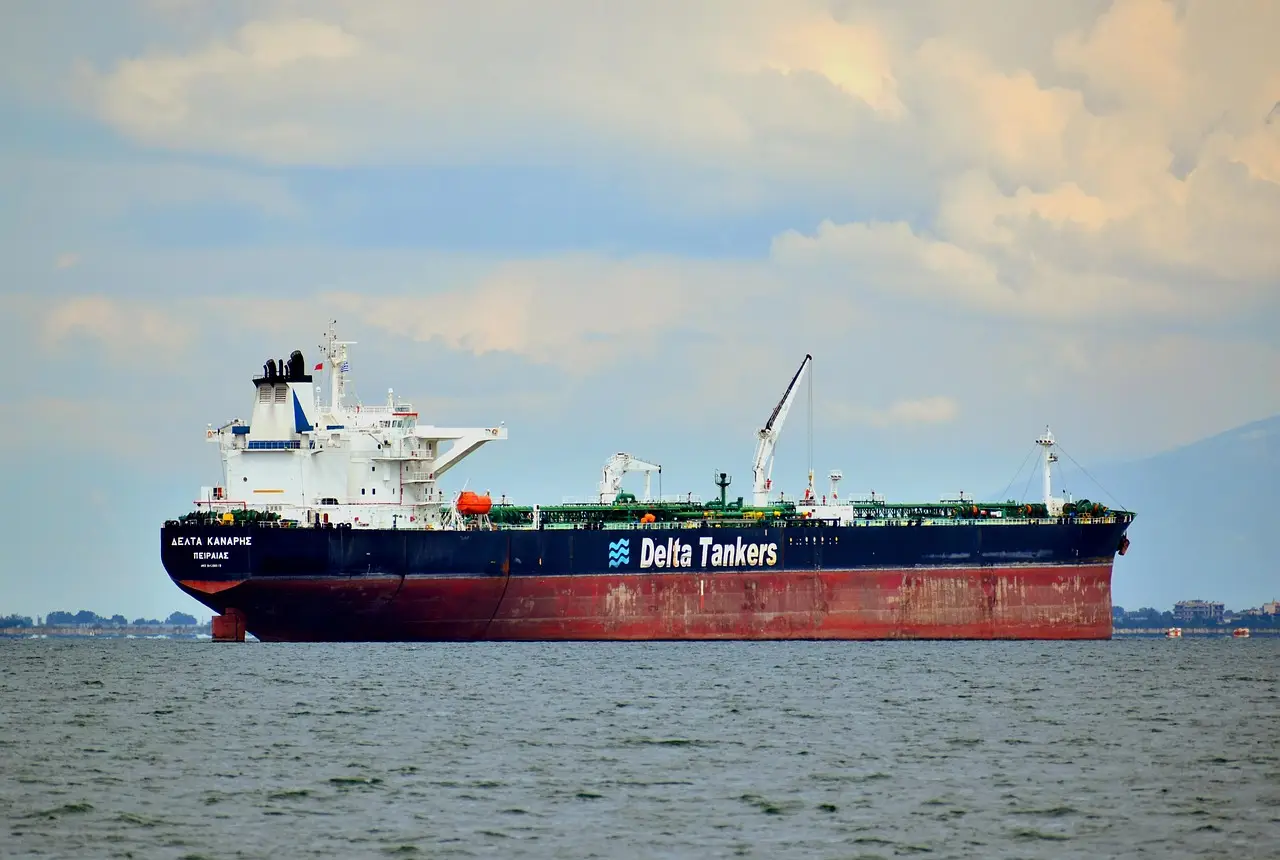
Seven oil tankers carrying an estimated 288,000 tonnes of Russian diesel are sailing toward the United States, according to pressure group Greenpeace. The group says the vessels may not be able to unload amid a political dispute over the legality of the shipments.
Greenpeace describes the cargo as the first phase of a contentious supply agreement negotiated between President Donald Trump and President Vladimir Putin earlier this month. The deal reverses years of sanctions on Russian oil.
What does this change for US diesel buyers?
For US buyers, the report points to legal exposure rather than tanker availability as the main obstacle. A group of US lawmakers, led by a handful of Democratic senators, has warned banks and port authorities that they could face congressional investigations and other legal action if they handle Russian diesel.
The White House has tried to encourage US companies to take the oil, according to the report. It remains unclear whether buyers will come forward because the legal risks come so close to next Tuesday’s midterm elections. For refiners, traders and lenders, the six-month waiver opens a route without removing the threat of sanctions or port restrictions.
The reported deal terms are:
- Total supply: 1.8 million tonnes of diesel, under a surprise agreement Putin announced on October 9.
- Opening tranche: 300,000 tonnes, starting immediately.
- Sanctions relief: a six-month waiver on existing sanctions, announced by Trump.
- First tracked cargo: seven tankers carrying an estimated 288,000 tonnes.
Trump argued that the Russia deal would help lower diesel prices. According to the American Automobile Association, the US price per gallon rose from $6.28 when the agreement was announced to $6.33.
Trump’s popularity has waned as US fuel prices have soared since he attacked Iran in the spring, according to the report. Polling cited in the report suggests a high likelihood that Democrats could take control of the House, while the Senate battle remains too close to call.
Greenpeace’s monitoring marks a sharp change from earlier estimates. Previous reports counted three tankers departing Russian oil terminals in the Baltic Sea. Using shipping-tracking websites and a range of other sources, Greenpeace said its monitoring was the most complete yet.
At the time Greenpeace first published its map, Taurus was relatively close to the US. Five of the other vessels were near the UK, while three were sailing through or into the English Channel.
Greenpeace Ukraine energy specialist Shaun Burnie said Congress or local US authorities should halt the cargo now that its location could be plotted. “Instead of rewarding Russia for its vile war against Ukraine, there needs to be more punitive sanctions against Russia,” he said. “These shipments can be stopped.”
New Jersey’s Democratic governor, Mikie Sherrill, said he was examining ways to prevent an unloading in his state. He called the deal “corrupt and illegal.”
The agreement has drawn criticism in Ukraine as Russian attacks continue. Ukrainian authorities reported that 14 people were killed on Thursday morning when a Russian drone struck a crowded train platform in central Dnipro. Five others were reportedly killed in daytime strikes in Chernihiv and Kremenchuk.
Ukrzaliznytsia, Ukraine’s state railway company, said a high-speed jet-powered drone struck a commuter train as it prepared to depart Dnipro’s main station. Bodies lay scattered across the site after the relatively unusual daytime attack, which occurred around 11 a.m.
Ukraine’s president, Volodymyr Zelenskyy, denounced the agreement, saying the money would help the Kremlin fund the ongoing war. He said the backroom arrangement gave Putin more chances on the battlefield.
Russia had faced waves of economic sanctions from the US, EU, UK and other leading Western economies since Putin launched the full-scale invasion of Ukraine in February 2022. The report said Trump altered course this autumn and sought to work more closely with Putin despite Russia’s continued attacks.
The Kremlin has also tried to keep information about the latest oil exports secret. A presidential decree from the end of September restricted publication of information about oil exports in an effort to evade international sanctions.
For banks, ports and traders, the next test is whether any tanker can discharge before federal or local authorities intervene. A block would stop Trump’s promised fuel-price relief, while a willing buyer would put the tracked 288,000 tonnes into the US market. The indicators to watch are unloading approvals, buyer commitments and congressional action before next Tuesday’s midterms.
Original: maps.greenpeace.org
More from Nathan Brooks
Show full bio
News editor covering regulation, policy and their impact on entrepreneurship, startups and venture funding at Business Bearings.
1,418 articles