Shell Doubles Quarterly Profit to $10.8bn as War-Driven Oil Prices Bite
Shell's adjusted profit hit $10.8bn in July-September, doubling year-on-year and beating forecasts, as war-damaged refineries pushed margins to record highs and buybacks rose to $5bn.
By Grace Kim
3 min read
What's News
- Shell's adjusted profit doubled to $10.8bn in Q3, up from $5.432bn a year earlier, beating forecasts of $10.33bn.
- Buyback programme raised to $5bn for the next three months, from $3bn last quarter.
- Refining margins hit $42 per barrel, far above the previous record of about $28 set during the early Russia-Ukraine war.
- Gas production fell by a third from 900,000 barrels of oil equivalent per day after war damage to a Gulf facility.
- Oil benchmark averaged $94.90 a barrel in Q3, up from $69.10 a year earlier.
Shell doubled its quarterly profit to $10.8bn (£8.1bn) between July and September, as the Middle East conflict pushed oil and gas prices sharply higher and squeezed global supply.
The figure, reported on Thursday morning, compares with $5.432bn in the third quarter of 2025 and beats analyst expectations of $10.33bn. It also tops the $9.836bn Shell earned in the second quarter of this year.
Investors get a bigger payout too. Shell raised its share buyback programme to $5bn for the next three months, up from $3bn in the previous quarter.
What did Shell's CEO say?
Wael Sawan, Shell's chief executive, credited execution rather than just market tailwinds: "Shell's relentless focus on operational performance enabled very strong results in a quarter with continued severe disruption to the global energy system."
The market agreed. Shell's shares rose 3% in early trading on Thursday. Earlier this month the share price hit a record high of more than £40 as the global oil price climbed towards $117 a barrel — the highest in six months. That rally has made Shell the largest company on the UK's FTSE 100 index.
The simple takeaway: war-driven scarcity, not a turnaround in demand, did most of the work.
How high are refining margins?
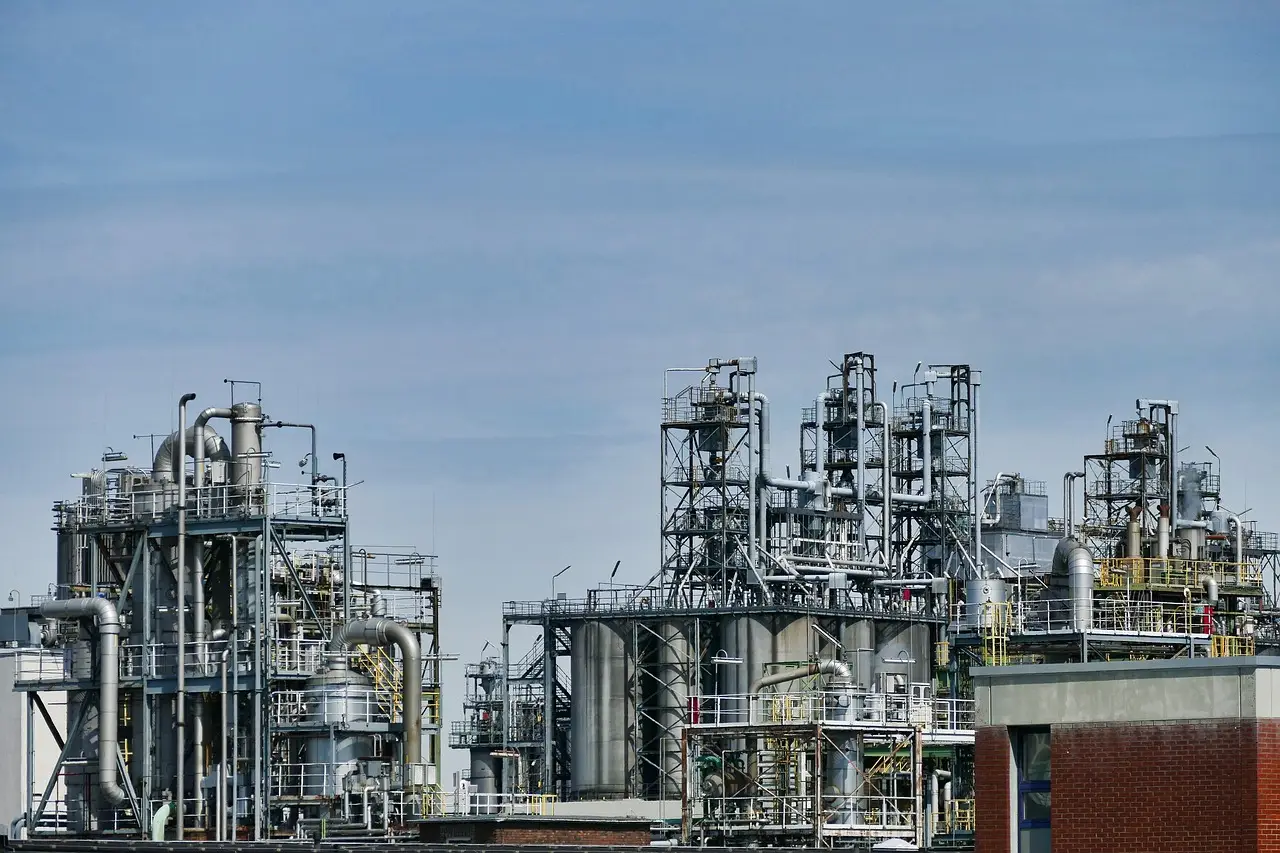
Very high — by historical standards, record high. Shell told investors earlier this month that it expected refinery margins of $42 for every barrel of fuel produced in the July-to-September period.
That compares with:
- $24 a barrel in the second quarter of this year
- Roughly $28 a barrel, the previous record for petroleum products, set in the early months of the Russia-Ukraine war
The jump reflects shortages in the global market caused by severe damage to refineries in the Middle East and Russia.
What happened to Shell's gas business?
The war hurt Shell's own operations, not just its trading margins. Severe damage to one of Shell's key gas processing facilities in the Gulf cut its gas production by a third.
Pre-war output stood at 900,000 barrels of oil equivalent per day. That figure fell as the Middle East war unfolded — a hit the strong prices only partly offset.
Where are commodity prices now?
Europe's benchmark gas price index averaged almost €64 per megawatt-hour in the third quarter, up from more than €48 in the second quarter.
The global oil price benchmark averaged $94.90 a barrel, up from $69.10 a barrel in the same quarter last year — a rise of more than a third.
How did campaigners respond?
Climate groups attacked the profit surge. Philip Evans, a senior campaigner at Greenpeace, said: "As fossil-fuelled storms, floods, and soaring costs wreck communities, oil executives like Shell's Wael Sawan are popping champagne on the deck of a sinking planet. We are paying with our lives and paychecks while they cash in on our misery."
The criticism sets up a familiar tension for Shell's next quarters: every dollar of additional buyback capacity comes from prices that consumers and industry are paying at the pump and on energy bills.
With Middle East disruption still weighing on supply, and oil trading near six-month highs, Shell's fourth-quarter results will test whether these record margins hold or fade as damaged refineries come back online.
Source: The Guardian Business
More from Grace Kim
Show full bio
Market editor covering people, launches and day-to-day practice in entrepreneurship, startups and venture funding at Business Bearings.
1,327 articles