SpaceX Catches Starship Upper Stage on Second Orbital Flight
SpaceX flew Starship to orbit for the second time on Friday, deployed 26 Starlink satellites and caught the 407-foot upper stage for the first time. The Super Heavy booster exploded on splashdown.
By Daniel Okafor
2 min read
What's News
- SpaceX launched Starship to orbit for the second time on Friday.
- The flight deployed 26 Starlink satellites.
- SpaceX caught Starship's 407-foot upper stage for the first time.
- The Super Heavy booster exploded and splashed down in the ocean.
- A tech selloff weighed on SpaceX stock (ticker SPCX) despite the mission.
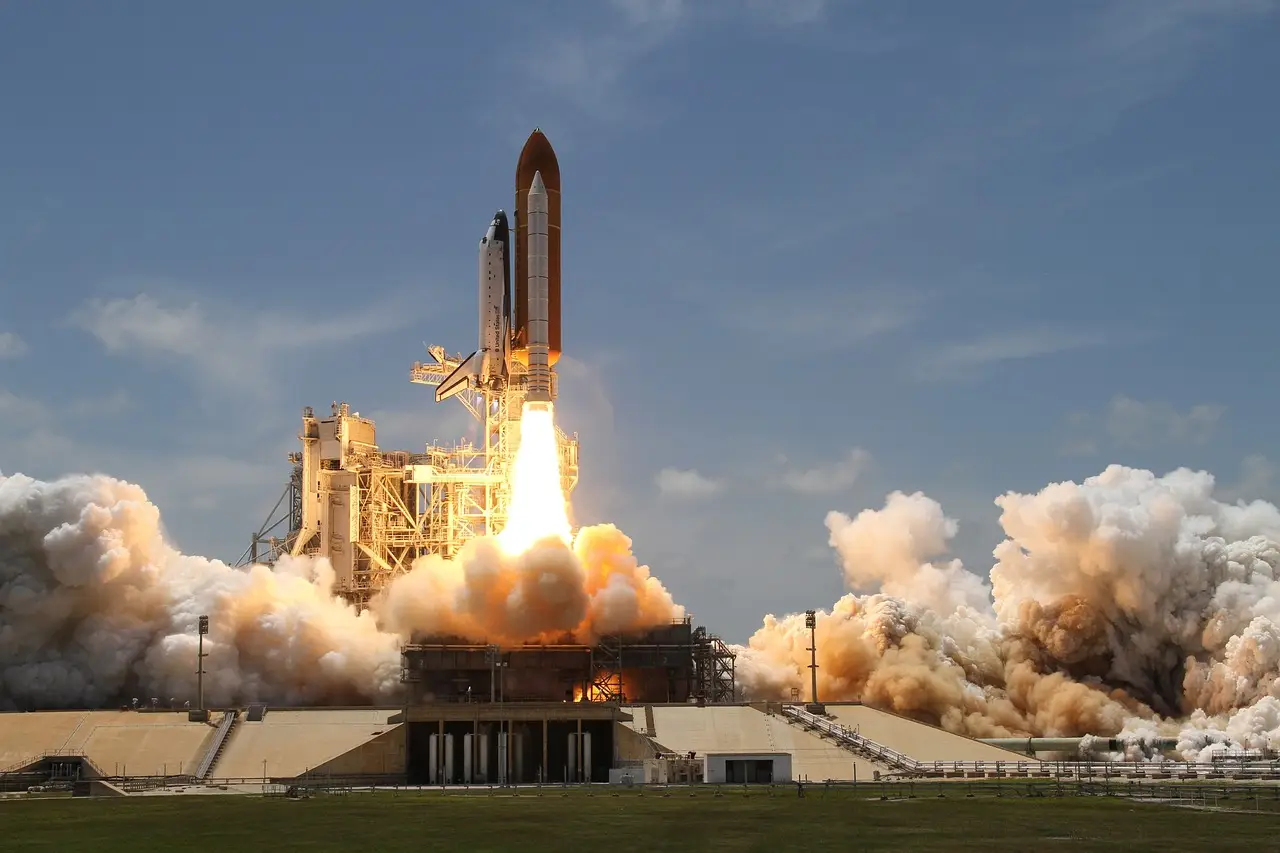
SpaceX launched its Starship rocket to orbit for the second time on Friday and, for the first time, caught the 407-foot-tall rocket's upper stage.
The mission deployed 26 Starlink satellites. It also exposed a weak point: the company failed to cleanly recover Starship's Super Heavy booster, which exploded and splashed down in the ocean.
Elon Musk's aerospace company ran the flight over the weekend. The result, in the words of the original report, was "a mostly successful Starship launch" that demonstrated SpaceX's "dominance in the rocket-launch business, despite a less-than-perfect mission."
What happened on the flight?
Two recovery attempts framed the mission, and only one worked.
- Upper stage: caught for the first time in the program's history — the orbital ship returned intact rather than burning up or splashing down.
- Super Heavy booster: not cleanly recovered; it exploded and splashed down in the ocean.
- Payload: 26 Starlink satellites deployed to orbit.
The catch of the upper stage matters because Starship stands 407 feet tall, making it the largest flying object in the launch business. Recovering both stages is the mechanism behind SpaceX's cost model: reuse the hardware, cut the price per flight, fly more often.
One stage came back. One did not. That split defines the engineering gap SpaceX still needs to close before Starship becomes a fully reusable system.
How does this fit the wider space race?
The launch widened SpaceX's lead over its rivals on the same weekend that a competitor stumbled. An Amazon partner hit a setback, according to the source report, though the details of that failure were not specified.
The contrast is the story. SpaceX flew to orbit, delivered 26 satellites and caught half of its rocket. Its partner-backed competitor did not clear its hurdle.
SpaceX's position in the launch market now rests on volume. Starlink deployments like Friday's keep the company's own constellation growing while Starship's test program matures toward routine flight.
Did the tech selloff matter?
Yes, but only to the share price, not the launch pad.
The source report notes that "a tech selloff weighs on its stock." SpaceX trades under the ticker SPCX, and the broader technology decline pulled the stock lower even as the company notched its strongest technical result to date.
That divergence is the analytical point. The market marked the stock down for macro reasons on the same days the engineering team marked up its biggest milestone.
What comes next?
The immediate task is the booster. SpaceX has now proven it can catch the upper stage; repeating that trick with the Super Heavy booster is the remaining step to full reusability, and Friday's explosion shows the difficulty.
Each successful Starlink deployment from Starship also moves the rocket from test vehicle to workhorse. Twenty-six satellites per flight, on a fully reusable 407-foot launcher, is the payload math that competitors — including Amazon's partners — will have to answer.
Source: MarketWatch
More from Daniel Okafor
Show full bio
Correspondent covering money, funding and market shifts around entrepreneurship, startups and venture funding at Business Bearings.
2,296 articles