Spain Grinds to a Halt in First General Strike Since 2011
Spain's first general strike in 14 years halted transport and public services on Wednesday, with unions demanding action on housing two weeks before the 29 November election.
By Grace Kim
3 min read
What's News
- Spain held its first general strike in 14 years on Wednesday
- Snap parliamentary elections are scheduled for 29 November
- PM Pedro Sánchez called the election after parliament rejected his housing reform plan
- The main unions called the strike over housing and the high cost of living
- Transport and public services across Spain faced serious disruption
Spain's transport network and public services ground to a halt on Wednesday in the country's first general strike in 14 years. The stoppage lands almost two weeks before snap parliamentary elections scheduled for 29 November, and it puts housing affordability at the center of the national agenda.
The strike's timing is the story. Spain hasn't seen a general walkout in 14 years — the last one came in 2011, in the depths of the eurozone debt crisis. Wednesday's action brings that long pause to an end, and it does so with an election 13 days out.
Who called the strike, and why?
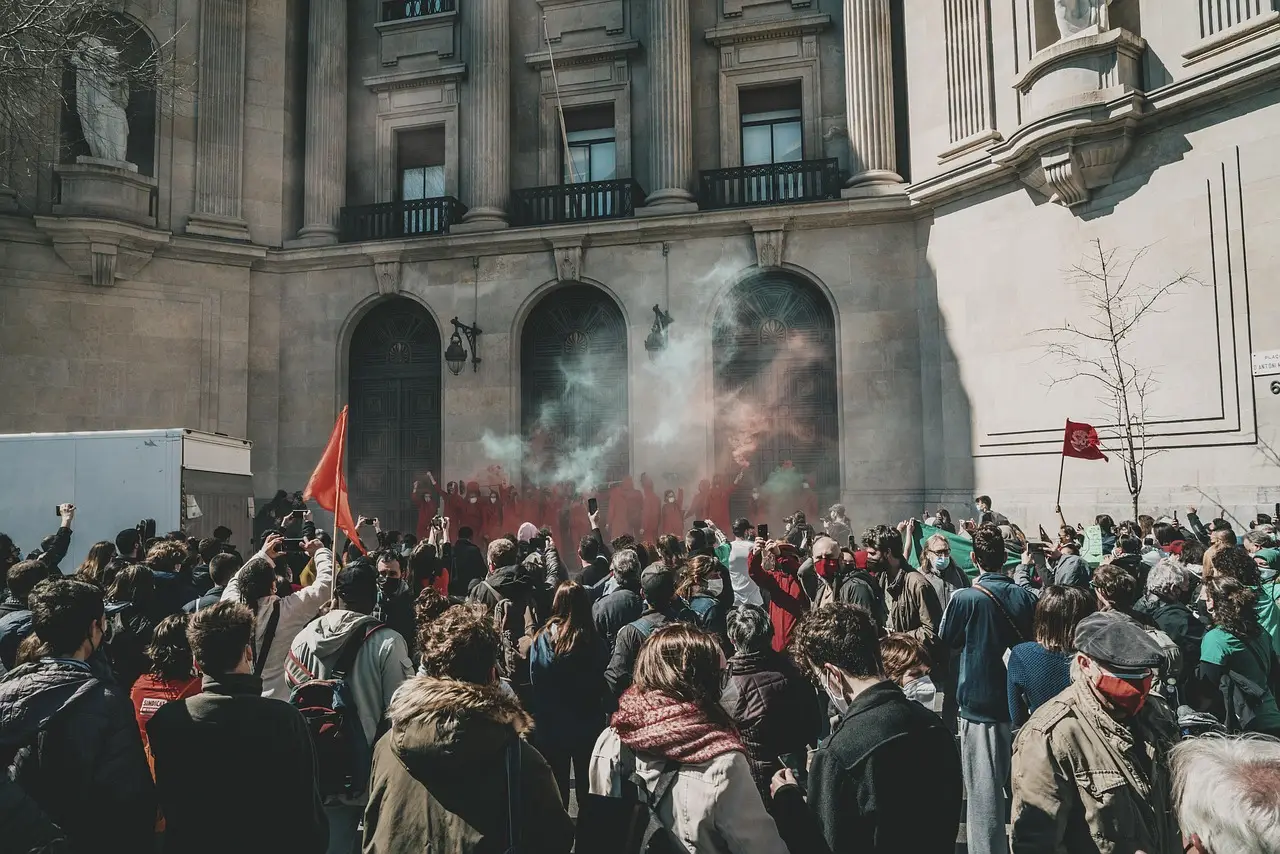
Spain's main unions called the general strike over two linked grievances: housing and the high cost of living. Demonstrations were planned across the country, not just in the capital. The BBC's Nick Beake reported from the protest in Madrid, where crowds gathered amid the worst disruption to transport and public services the country has experienced in years.
For unions, the calculus is straightforward. A strike this close to a national vote forces every party to answer the same question: what will you do about housing prices? By shutting down transport and public services on a weekday, the organizers guaranteed that no voter, employer or politician could ignore the issue.
What does the strike have to do with the election?
Everything. Prime Minister Pedro Sánchez called snap elections last month after parliament failed to approve his plan for housing reform. That legislative defeat is the direct trigger for the 29 November vote — and housing is the direct trigger for the strike.
The sequence matters:
- Parliament rejected Sánchez's housing reform plan.
- Sánchez responded by calling snap elections, set for 29 November.
- Nearly two weeks before the vote, the main unions launched the first general strike in 14 years over housing and living costs.
- Transport and public services across Spain faced serious disruption on Wednesday.
In other words, the same policy fight that collapsed the government's housing agenda now has people in the streets. The unions didn't schedule their walkout at random. They chose the window when Spain's political class is maximally exposed — campaigning, polling, and needing answers.
How bad was the disruption?
Wednesday brought serious disruption to transport and other public services across Spain, according to the BBC's reporting from the scene. This wasn't a sectoral stoppage or a one-day protest by a single industry. A general strike, by definition, pulls in workers across the economy, and the effects showed up in the systems commuters and businesses depend on daily: transport first, plus a range of other public services.
Fourteen years without a general strike made the contrast sharper. Spaniards woke up to a level of nationwide disruption the country hadn't seen since 2011.
What happens next?
The election on 29 November will decide whether Sánchez's housing reform agenda survives in some form, gets replaced, or dies with his parliamentary majority. Until then, the strike's organizers have made their position unmistakable: housing costs are no longer a background economic complaint but a front-line political demand.
The takeaway: Spain's first general strike in 14 years turned a failed housing reform into street-level pressure, and every party now has less than two weeks to respond before voters do.
Source: BBC Business
More from Grace Kim
Show full bio
Market editor covering people, launches and day-to-day practice in entrepreneurship, startups and venture funding at Business Bearings.
1,986 articles