Tawi Fresh grew a KES 3,600 caterer order into 2,000 Kenyan farms
Nairobi agritech Tawi Fresh, founded by ex-Barclays banker Cherotich Rutto, says more than 2,000 farmers now sell through it and earn three times more.
By Amara Osei
5 min read
What's News
- Tawi Fresh's first order was about KES 3,600 and came from a caterer on September 22, 2022.
- The agritech says more than 2,000 farmers supply produce through Tawi, with 29% of them youth.
- Founder Cherotich Rutto says farmers make three times as much income after joining Tawi.
- Tawi pays farmers seven days after delivery, against the cash-on-demand terms brokers offer.
- Rutto worked 17 years in banking, including Barclays and Standard Chartered Bank, before founding Tawi.
Tawi Fresh's first order came on September 22, 2022, from a caterer, and it was worth about KES 3,600. Founder and chief executive Cherotich Rutto was still testing the market with roughly 20 businesses — a school, a hospital, a restaurant and that caterer — to learn what each of them needed.
More than 2,000 farmers now sell through the Nairobi-based agritech, and 29% of them are youth. Rutto's claim on income is blunt: "What we've seen is that farmers are making three times as much income after they join Tawi as they did before."
Rutto works one flight above the working floor of Tawi's godown in Tilisi, a mixed-use development 24 kilometres west of Nairobi. Among the farmers now supplying Tawi is someone who lost his job during Covid, returned to family land, found a market for what he could grow and never went back to wage work; he now employs people in his own community.
What did the first KES 3,600 order contain?
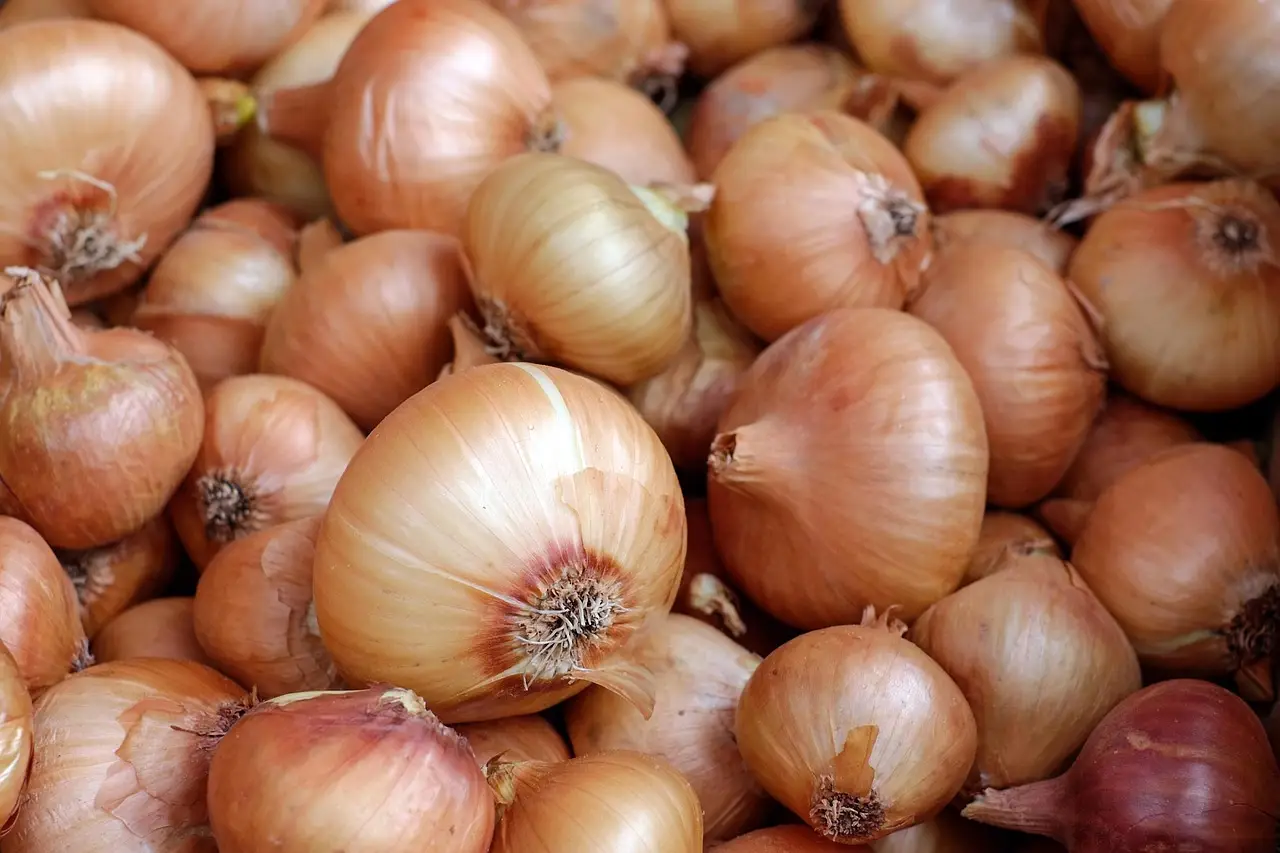
The order was a kilo of onions, a kilo of tomatoes, a kilo of lemons, some carrots and some dhania. Rutto called a farmer who had signed up and heard the response she still remembers: "One kilo? One kilo of tomatoes? Are you guys serious? You'll come from Nairobi for that?"
Tawi handled its own pickups then, to build trust with farmers. Rutto spent the night at the aggregation centre at the HCD at JKIA, waiting for the order to go out the next day, and says she still has photos from that night.
The caterer paid and ordered again. One product missed the required standard, which also showed Rutto that Tawi needed far more demand to hold farmers' trust. "Then the customer paid and ordered again. That showed us we were getting something right," she said.
Why did farmers first say no?
Rutto says farmers dismissed the venture from the start. "The farmers just thought we were jokers. That's the reality. They thought we'd come and go." They had watched others train them on crop yields and then leave nobody to buy the onions or explain how to sell them.
Her answer was to lead with orders, not advice. "We went to them and said, 'We have demand for your onions. This is how we want you to grow them for this particular customer.' We started with demand." A school, hospital or restaurant places predictable orders, so farmers can plan production around them. "They were like, 'We know how to produce. What we need is the market.' That's what they loved."
Convincing a bank took longer. When she pitched Tawi to the bank's venture arm, she had to persuade the table that agriculture's contribution to African economies justified the investment. It took "a bit longer to convince them that this was the right space to invest in," she said.
How does Tawi Fresh coexist with brokers?
"You cannot do it without brokers," Rutto said. "They're there to stay. They're a vital part of the ecosystem and they were there long before Tawi or any other platform existed."
The terms differ. A broker offers cash on the spot; Tawi pays seven days later, sets the quality standard and does not take everything. Farmers reserve part of their farm for Tawi and keep growing for the broker they have always worked with. "That's how we've managed to coexist. Everybody has their space."
What changes at 2,000 farmers?
Keeping buyers happy requires consistency, traceability, timely deliveries and transparent prices. On the farm side, Rutto says buyers' demand data is what farmers lack, and sharing it is Tawi's job. "That's the data farmers lack. We can share it with them and help them grow for that demand."
The other constraint is the team. "For me, the most important thing is the Tawi team. As you grow, the team's skills and discipline have to grow too," she said. Rutto also protects her weekends: at the bank, the day was "properly eight to five"; now her children ask about "another meeting?" She never misses their Saturday soccer games. "Anybody who knows me knows not to book a meeting after that or I won't show up."
How did a banker end up buying farmers' onions?
Rutto grew up in Lang'ata, raised by her grandmother, a nursery school teacher at a church in Lang'ata who came from a farming family in Taita Taveta. Money was scarce, so talk of it came only when there was some: at the end of the month there would be a sausage, she says, and produce from Taita Taveta taught her to ask where food came from.
One lesson stuck with her. "One of the lessons my grandmother taught me was that you have to be authentic," she said. Primary school classmates, she adds, would still say Chero has not changed.
She studied economics, sent her CV to banks, government offices and private companies, and joined an international bank as one of almost 300 hires taken on as sales agents. The first three months were a retainer, then commission. By month three she was performing, so she stayed. "Seventeen years later, I found myself still there," Rutto said, citing roles at Barclays and Standard Chartered Bank.
She and her husband put their savings into a farm at Nanyuki and drove three hours each weekend, talking through losses. "It never came to be. We made a lot of losses," she said. The idea of supplying institutional kitchens survived the failed farm and became Tawi Fresh.
Rutto spoke in Copenhagen in August about climate innovation and resilient food systems. Asked what she wants out of life now, she answered: "I want a lot more." [Laughs.] She quotes farmers who tell her: "I wouldn't have done it if you hadn't come and shown me there was a market for my produce."
Her measure of success is personal and narrow. "Even if I leave entrepreneurship one day, I'll know one or two people's lives changed because of the business we built. I can sleep easy with that."
The open question is arithmetic: Tawi must widen buyer demand faster than it adds farmers, or the three-times-income promise starts to thin.
Source: techcabal.com
More from Amara Osei
Show full bio
Senior reporter covering companies, deals and strategy in entrepreneurship, startups and venture funding at Business Bearings.
2,503 articles