Trump DOE Lends Constellation $5B to Expand Nuclear for AI Data Centers
The DOE is lending Constellation Energy $5B to add 1.1 GW of nuclear capacity at eight plants — and Google, Meta and Amazon have already bought most of the new power for AI data centers.
By Nathan Brooks
3 min read
What's News
- The Trump administration's DOE is lending Constellation Energy $5 billion to add 1.1 gigawatts of nuclear capacity at eight power plants.
- Most or all of the new power from seven of the eight plants is already bought by Google, Meta, or Amazon.
- Constellation had already committed over $7 billion to add 1,080 megawatts of capacity serving the three hyperscalers.
- Six plants are in Illinois, plus Calvert Cliffs in Maryland and Limerick in Pennsylvania.
- Meta is effectively buying the entire Clinton power plant in Illinois.
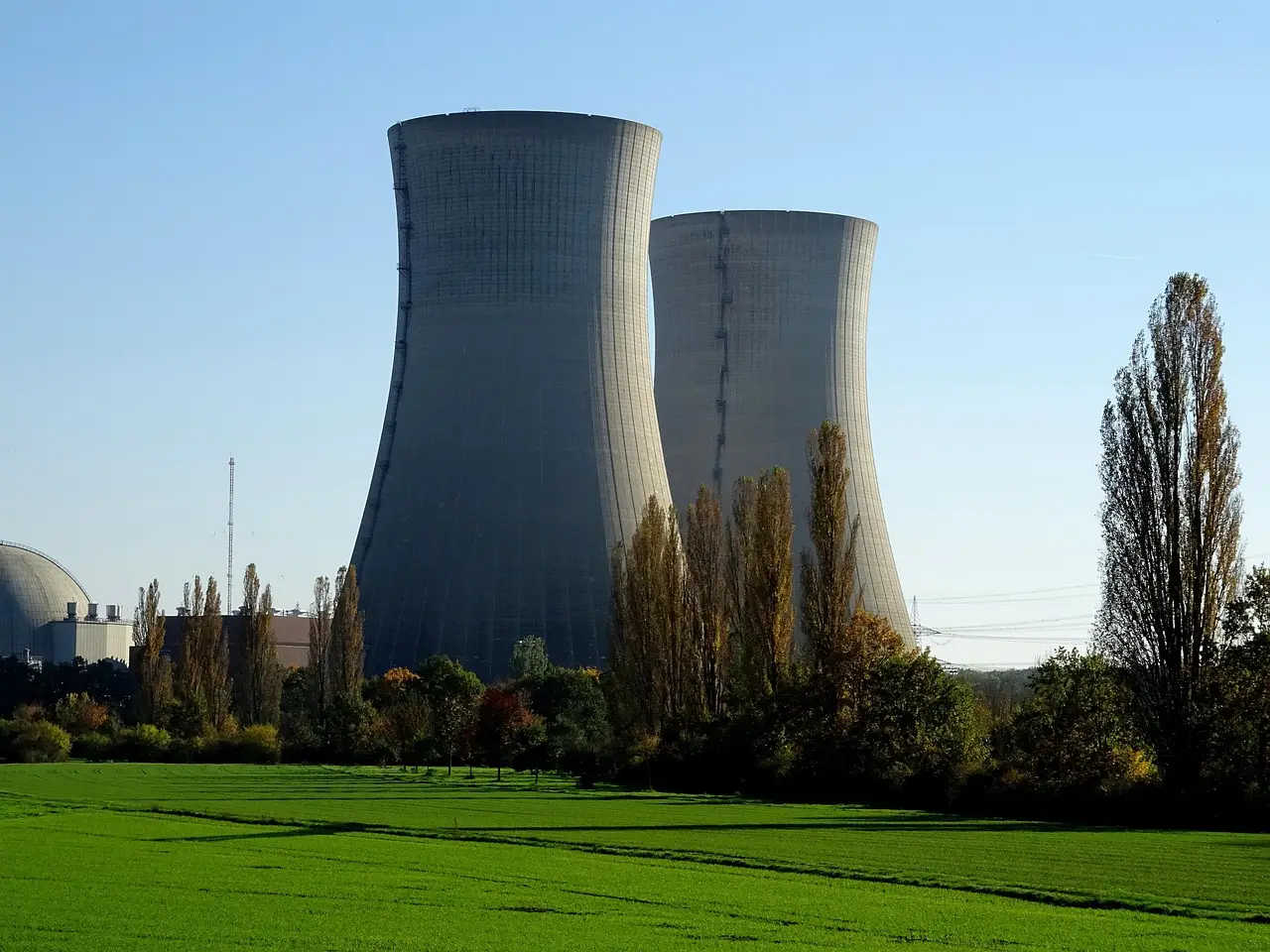
The Department of Energy under President Trump is lending Constellation Energy $5 billion to expand nuclear generating capacity at eight power plants by 1.1 gigawatts — and hyperscalers have already bought most of that power.
Most or all of the additional output from seven of the eight facilities has already been purchased by Google, Meta, or Amazon, according to the announcement. That detail tells you who this deal is really for: the AI buildout, not your utility bill.
Constellation said it plans to use the financing to "uprate" 11 existing reactors. That's industry shorthand for expanding capacity at a reactor, typically by using more highly enriched uranium and upgrading equipment to handle the higher power levels.
What does the loan actually fund?
The company said it had already committed to spending more than $7 billion to add 1,080 megawatts of nuclear capacity — roughly the output of a large single reactor — dedicated to delivering power to Google, Amazon, and Meta.
The $5 billion loan commitment, which has yet to be finalized, "could lower financing costs" for those projects, Constellation said in a press release. In plain terms: the government is cheapening Constellation's cost of capital for upgrades the hyperscalers were already paying handsomely to secure.
The eight plants break down as follows:
- Six in Illinois: Braidwood, Byron, Clinton, Dresden, LaSalle, and Quad Cities
- One in Maryland: Calvert Cliffs
- One in Pennsylvania: Limerick
The buyer mapping matters for anyone tracking the AI power race. Google is the confirmed buyer of additional power from the Pennsylvania plant and four of the Illinois plants. Amazon is buying electricity from the Maryland plant. Meta, in the most aggressive move of the three, is effectively buying the entire Clinton power plant in Illinois.
Will consumers see lower bills?
Don't count on it. On Tuesday, the Department of Energy touted the loan as supporting "affordable, reliable power to American homes and businesses." But there is no evidence the new nuclear capacity will lower prices for residential ratepayers. Constellation's announcement does not say whether the projects will maintain or lower electricity rates, and the company would not confirm the government's claim to TechCrunch.
So the DOE's framing deserves scrutiny. The plants serve grids that also power homes, but the buyers of the incremental capacity are three of the wealthiest companies on earth.
Why hyperscalers are paying tens of billions
Google, Amazon, and Meta have been scouring the grid for additional capacity to support their AI data centers, and they are committing tens of billions of dollars to energy over the coming years. Given that power has become a competitive advantage in the AI race, that estimate is probably on the low end.
For practitioners, the structure here is the story. By lowering the cost of capital for the upgrades, the DOE's loans could boost Constellation's bottom line, that of the hyperscalers — or both. Which side captures the savings depends on how the power purchase agreements were priced, and neither Constellation nor the buyers have disclosed those terms.
What does this change for the broader market? It signals that federal financing is now an explicit lever in the AI energy land grab. Utilities with uprate-ready reactors just became more valuable, and every hyperscaler without locked-in nuclear capacity faces a shrinking pool of partners. Expect more deals of this shape — government-backed capital, private buyers — as the queue for firm, carbon-free power lengthens.
Original: energy.gov
More from Nathan Brooks
Show full bio
News editor covering regulation, policy and their impact on entrepreneurship, startups and venture funding at Business Bearings.
1,384 articles