UK-EU Food Deal Scraps £200 Certificates From 2028
The UK-EU food deal removes £200 veterinary certificates and £25 plant certificates, with implementation expected in early 2028 after British legislation aligns with EU rules.
By Olivia Hart
4 min read
What's News
- The draft joint statement emerged 17 days before the UK-EU summit on 20 November.
- Exporters will no longer pay £200 veterinary certificates or £25 plant health certificates.
- Food exports, particularly poultry and eggs, fell by a third since Brexit, NFU analysis showed.
- The deal is expected to be implemented in early 2028 after UK legislation aligns with EU rules.
- EU pet passports were barred for residents of England, Scotland and Wales as of April.
British food exporters will no longer pay £200 per veterinary certificate under the UK-EU food deal, whose draft text emerged 17 days before a leaders' summit on 20 November. The agreement removes most post-Brexit checks on food and animal product exports to the EU and clears the way for resumed shipments of fresh meat, fish, shellfish and seed potatoes, largely from Scotland.
The two sides also agreed first drafts of joint positions on migration, youth mobility and electricity trading before the summit. The food deal, largely agreed in May, has now had its remaining loose ends settled, according to the draft statement, titled "Cooperation built on strong foundations." That a joint text exists at all signals how far relations have moved from the friction of the Conservative government era.
What exactly was agreed?
The deal eliminates two direct costs for exporters:
- The £200 veterinary certificate proving produce is safe to eat or use in the EU
- The £25 plant health certificate proving goods are free of pests and diseases
The removal of the plant certificate paves the way for easier exports of trees, shrubs and wooden or leather goods. A youth mobility scheme will also start, possibly next year, offering 18-to-30-year-olds a special visa to work, study or travel. For a small producer shipping mixed loads, those per-consignment fees add up quickly — which is partly why many stopped exporting at all.
What does it mean for exporters?
In practice, exporting gets easier, but the sector wants money behind it. The National Farmers' Union says food exports, particularly poultry and eggs, have collapsed by a third since Brexit, according to NFU analysis of trade data published last month. NFU president Tom Bradshaw said earlier this year: "There are no empty shelves in the EU with signs saying waiting for British products to return." His point: the market moved on, and British suppliers will need substantial financial and marketing support to win it back.
One caveat tempers the announcement. The deal is expected to be implemented only in early 2028, because it requires legislation on the British side to align with EU rules. Takeaway: paperwork falls in theory, but not on any truck before 2028.
Will shoppers notice?
Yes. French cheese and a wider range of wine should return to British supermarket shelves. Since Brexit, supermarkets have cut the range of continental fresh produce because of red tape, and small artisan producers of cheese, wine and olive oil have stopped selling into the UK entirely. The draft deal should reverse that retreat — though the text alone will not restock shelves.
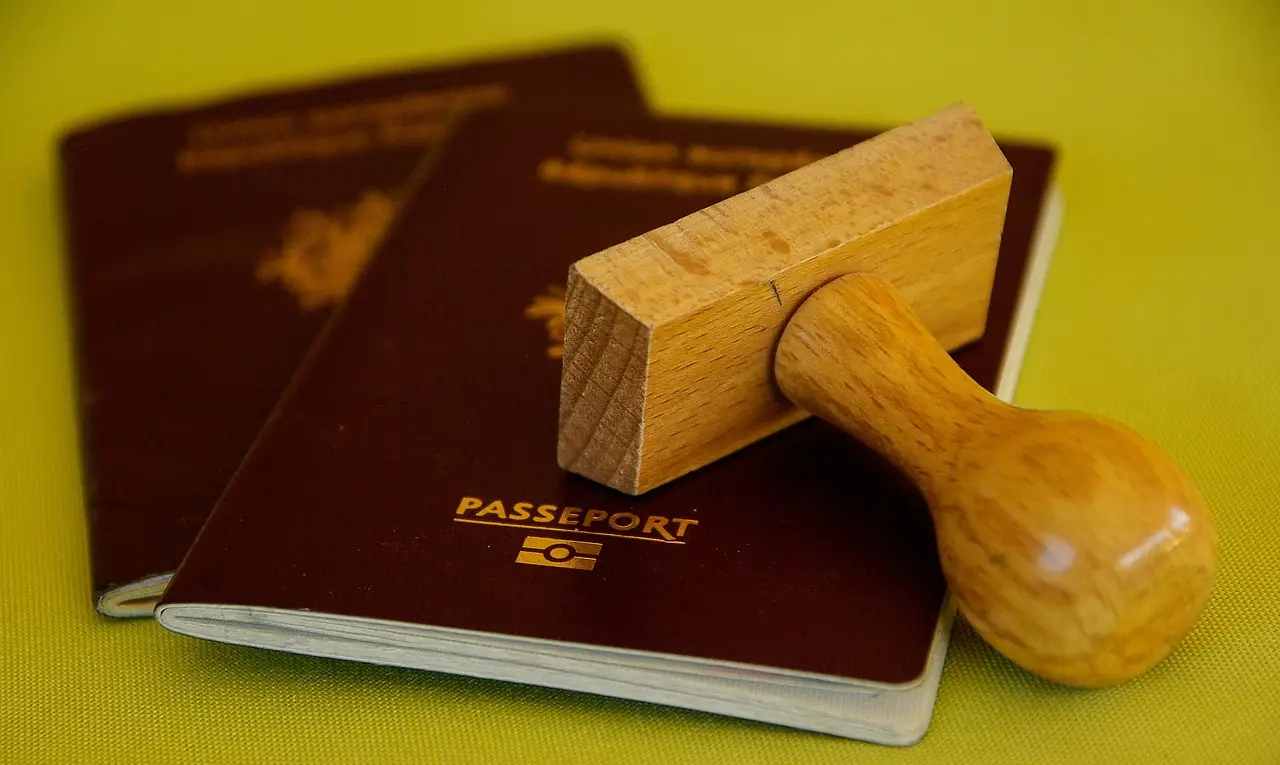
Pet passports also come back. Since April, EU pet passports can no longer be used or held by residents of England, Scotland or Wales, complicating family holidays, mostly with dogs. Before Brexit, a single passport issued by an authorised vet allowed multiple trips provided rabies vaccinations stayed current. The new agreement restores that system.
What about fish and Northern Ireland?
Scottish salmon producers were among the first to centralise exports to cut paperwork, but the risk of a truckload of fresh fish being detained in Boulogne, where checks take place, pushed many shellfish producers out of the market. The deal reopens the door for Scottish langoustines and molluscs fished one day and served on restaurant plates the next.
On the Irish Sea border, the deal ends physical checks and veterinary certificates on farm produce moving from Great Britain to Northern Ireland, and scraps the "green" and "red" lanes. Sellers will no longer need "not for EU" labels, a significant problem for wholesalers. The Democratic Unionist party said on Tuesday the sanitary agreement did not go far enough because it does not remove all checks. Checks on excise goods such as wine and cigarettes will continue to prevent smuggling into the Republic.
What is still unresolved?
Youth mobility. The EU insists the UK allow EU students to study at British universities on home fees. The draft statement allows that dispute to be decoupled from the summit pact, with a stated aim to conclude negotiations within six months — meaning the scheme can proceed regardless. Takeaway: the summit delivers the food reset now, and defers the tuition-fee fight to next year.
Source: The Guardian Business
More from Olivia Hart
Show full bio
Staff writer covering people, launches and day-to-day practice in entrepreneurship, startups and venture funding at Business Bearings.
1,466 articles