Vermont Will Give Builders 10 Free Preapproved Home Blueprints
Vermont's 802 Homes catalog will offer 10 free, preapproved designs to builders early next year, as the U.S. faces a 10-million-home shortage.
By Daniel Okafor
3 min read
What's News
- Vermont will release 10 free preapproved home designs, called 802 Homes, early next year.
- The White House estimated in April that the U.S. is short 10 million homes.
- About 40 U.S. jurisdictions run preapproved building plan programs, according to Pew.
- Hawaii County has built 225 units since 2012 from 56 preapproved plans.
- Three pilot communities — Essex Junction, Hartford and Manchester — will test the Vermont designs.
Vermont plans to release a catalog of 10 preapproved home designs, called 802 Homes, early next year — and every blueprint will be free for builders and developers to use.
The state named the program after its sole area code. Because the designs come already approved, projects that use them can move through zoning and permitting far faster than conventional plans. Vermont is one of the first states to launch a statewide preapproved housing program.
The backdrop is a national shortage. The White House estimated in April that the U.S. is short 10 million homes, with starter homes especially scarce. Local governments have turned to preapproving building plans to cut costs and speed construction, and the model is spreading.
How many places already do this?
About 40 jurisdictions across the U.S. run preapproved building plan programs, according to Pew, the social research center. The results so far:
- South Bend, Indiana: more than 90 units built or approved as of June, after the city approved seven plans in 2022.
- Kalamazoo, Michigan: nearly 50 units built by 2025, a year after launching eight plans.
- Hawaii County, Hawaii: 225 units built since 2012, drawn from a library of 56 preapproved plans.
Officials in cities from Helena, Montana, to Washington, D.C., have proposed preapproved housing programs this year. In California, state law mandates that cities offer preapproved plans for accessory dwelling units — a route other municipalities have also taken. Pew says preapproved plans offered free or at a nominal fee shorten preconstruction approval time, which reduces delays and costs.
What does Vermont's catalog contain?
The plans target smaller households — what housing policy calls the "missing middle" — while aiming to look distinctly Vermont. Jeff Dube, community planning and project manager at the Vermont Department of Housing & Community Development, frames the goal in practical terms.
"The state needs attainable housing that matches the home types Vermonters want and need, including homes that allow older Vermonters to age in place or downsize, and young families to get their foot in the door," Dube told Fast Company. "We also need housing that is located in places that support walkable communities and our historic downtowns and village centers, which tend to be areas that are served by infrastructure and can bring down development costs."
The Boston architectural firm Utile designed the plans for Vermont's Agency of Housing and Community Development. The catalog includes:
- Single-family and starter homes
- A townhouse
- A duplex
- Multifamily units
- A 981-square-foot single-unit railroad flat
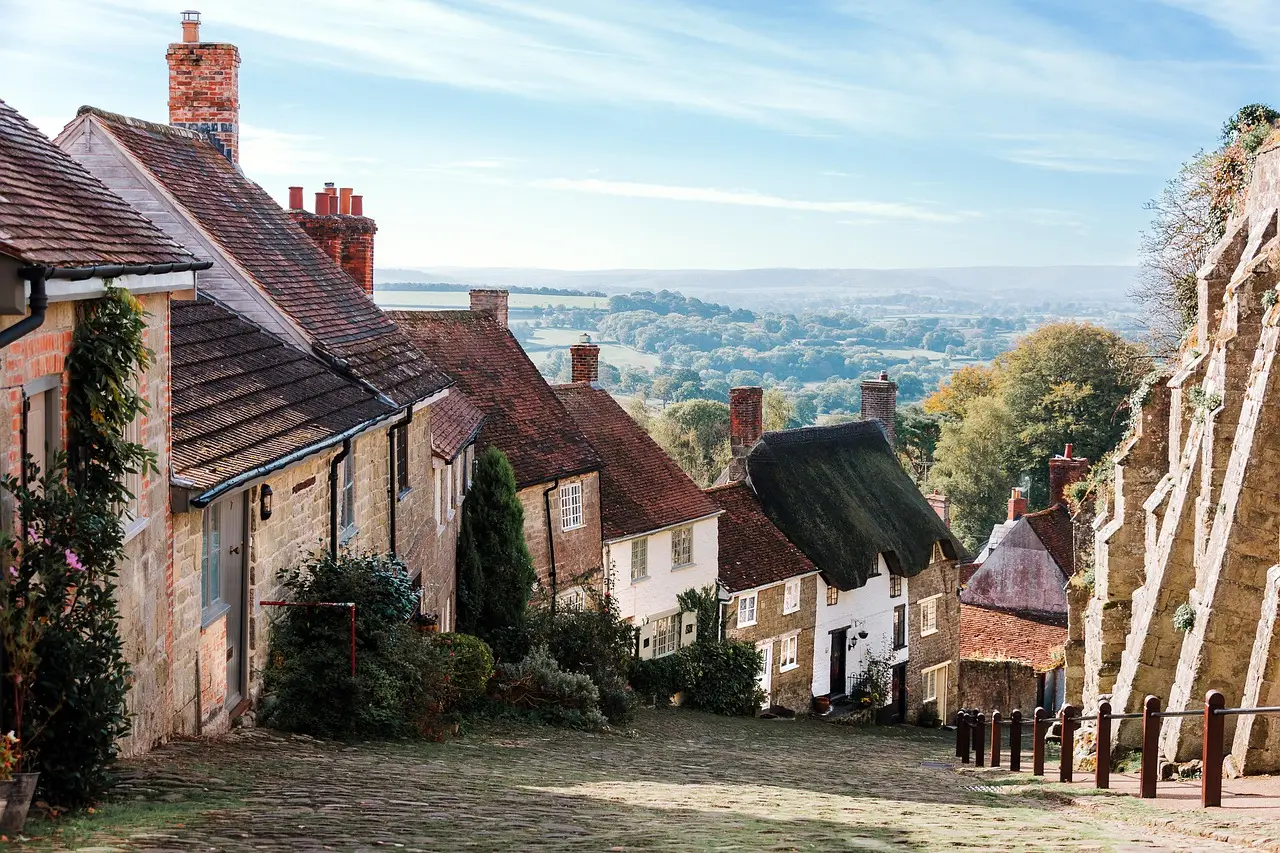
The designs lean on steep rooflines, clapboard siding, porches, porticos, and pedestrian-oriented street connections. Those features came from a statewide visual preference study, which asked residents whether the homes looked like they belonged in Vermont neighborhoods and whether they would live in them or accept them next door.
What happens before launch?
Each plan supports two construction methods: off-site prefab construction or traditional on-site building. Three pilot communities — Essex Junction, Hartford, and Manchester — will test the designs first.
Before launch, Vermont officials must finalize construction documents for both building methods and build the public-facing catalog and website. They are also coordinating with developers on potential demonstration projects.
Is the catalog idea new?
No. Sears, Roebuck and Co. sold and shipped kit-home materials from its catalogs in the early 20th century. In the 1970s, the Department of Housing and Urban Development under then-Secretary George Romney ran Operation Breakthrough, a public-private initiative that collected proposals for mass modular homes; thousands of units were built before Congress defunded the program.
Vermont's version adapts the preapproved-design model to local aesthetics and community needs while still scaling statewide. If it and the roughly 40 programs like it can deliver quality, affordable housing faster, the 10-million-home gap becomes a target that catalogs, not controversies, can close.
Original: apnews.com
More from Daniel Okafor
Show full bio
Correspondent covering money, funding and market shifts around entrepreneurship, startups and venture funding at Business Bearings.
1,315 articles