Apple Raises Every iPhone Price by £100 as Chip Shortage Bites
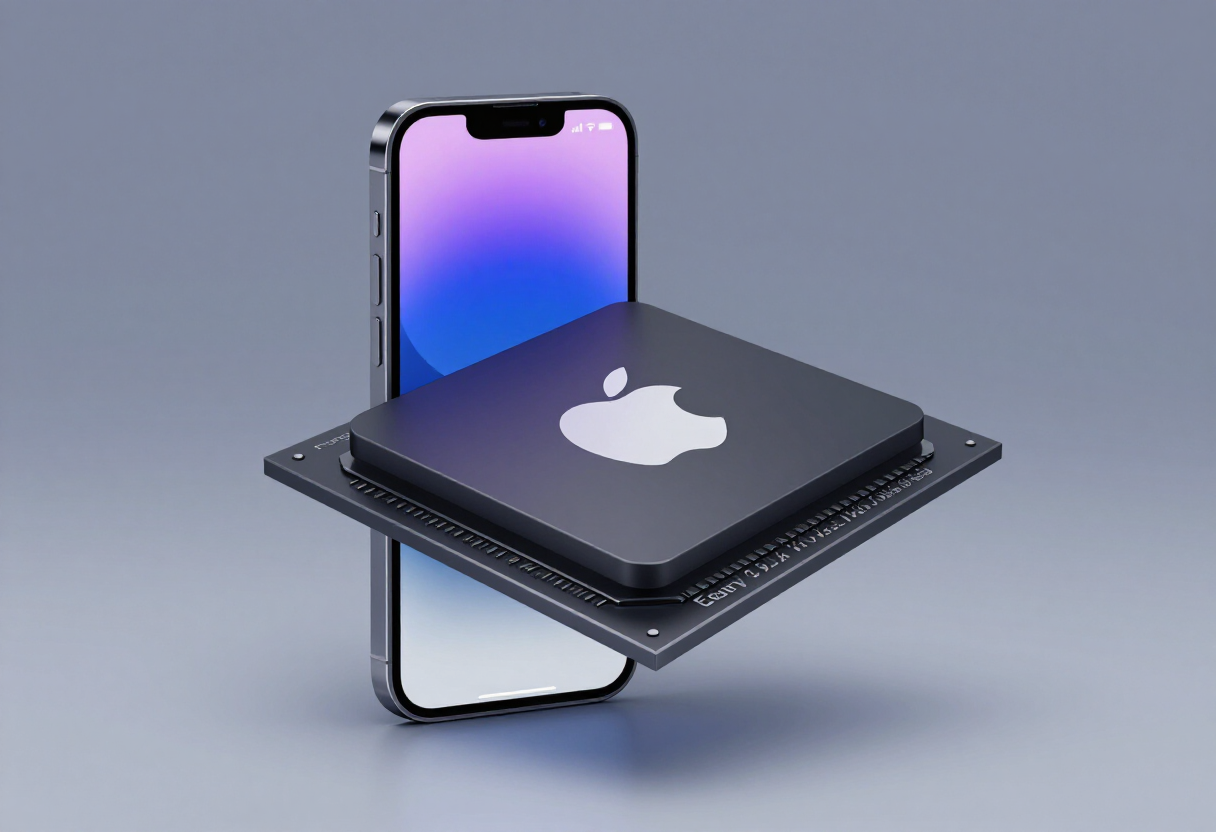
Apple has raised prices on every iPhone by £100, including older models, as AI datacentre demand drains memory chip supply in what the industry calls 'RAMageddon'.
By Amara Osei
1 min read
Updated
What's News
- Apple raised the price of all iPhones by £100, including older models.
- The increase coincided with the launch of Apple's first folding phone.
- The 'RAMageddon' chip shortage stems from AI datacentre builders buying up all available memory chips, reversing decades of falling electronics prices.
Apple has raised the price of every iPhone by £100, including older models, as a severe shortage of memory chips and other critical components hits the consumer electronics industry.
The increase surfaced at Apple's recent product launch, an event that grabbed global headlines for unveiling the company's first folding phone. But buried in the technology showcase was a blunt commercial reality: a £100 price hike across the entire iPhone lineup, not just the new devices.
The industry has labelled the disruption "RAMageddon". It marks a reversal of a decades-long trend in which electronics steadily became cheaper for consumers.
The cause sits upstream of the smartphone market. The AI gold rush is hoovering up every memory chip available for vast datacentres, according to the reporting. That insatiable demand from AI infrastructure builders has drained supply of the chips — and other critical components — needed for everyday electronics, including phones.
For Apple, the world's most valuable consumer hardware company, the shortage has translated directly into higher shelf prices. The £100 increase applies even to models that launched before the component crunch intensified, signalling that the cost pressure is broad rather than confined to new flagship hardware.
The implications reach beyond one company. If memory prices stay elevated because AI builders continue to outbid consumer manufacturers for supply, the era of progressively cheaper phones, laptops and other devices may be over — and Apple's price hike could prove the first visible sign of a structural shift rather than a one-off adjustment.
Original: blogs.windows.com
More from Amara Osei
Show full bio
Senior reporter covering consumer brands and retail at Business Bearings.
230 articles