Apple revenue up 12% to $114.5bn as memory costs bite
Apple beat estimates with $114.5bn revenue, up 12%, but shares fell 2.75% after CEO John Ternus warned 'unprecedented' memory chip prices will squeeze margins.
By Amara Osei
3 min read
What's News
- Apple's revenue rose 12% to $114.5bn in the July-September quarter, beating the $113.4bn FactSet consensus.
- Earnings reached $30.71bn, or $2.10 a share, up from $1.85 a share a year earlier.
- Shares fell 2.75% after-hours on warnings that memory prices will hit margins.
- CEO John Ternus called memory pricing 'unprecedented' and expects higher costs in Q4.
- Tariff refunds added five cents a share to earnings.
Apple posted revenue of $114.5bn for the July-September quarter, up 12% from $102.5bn a year earlier and ahead of the $113.4bn analysts expected, according to a FactSet poll. The result gave new CEO John Ternus an upbeat start to his tenure, which began in September, and bucked a downward trend that saw Alphabet, Amazon and Intel all report disappointing quarters.
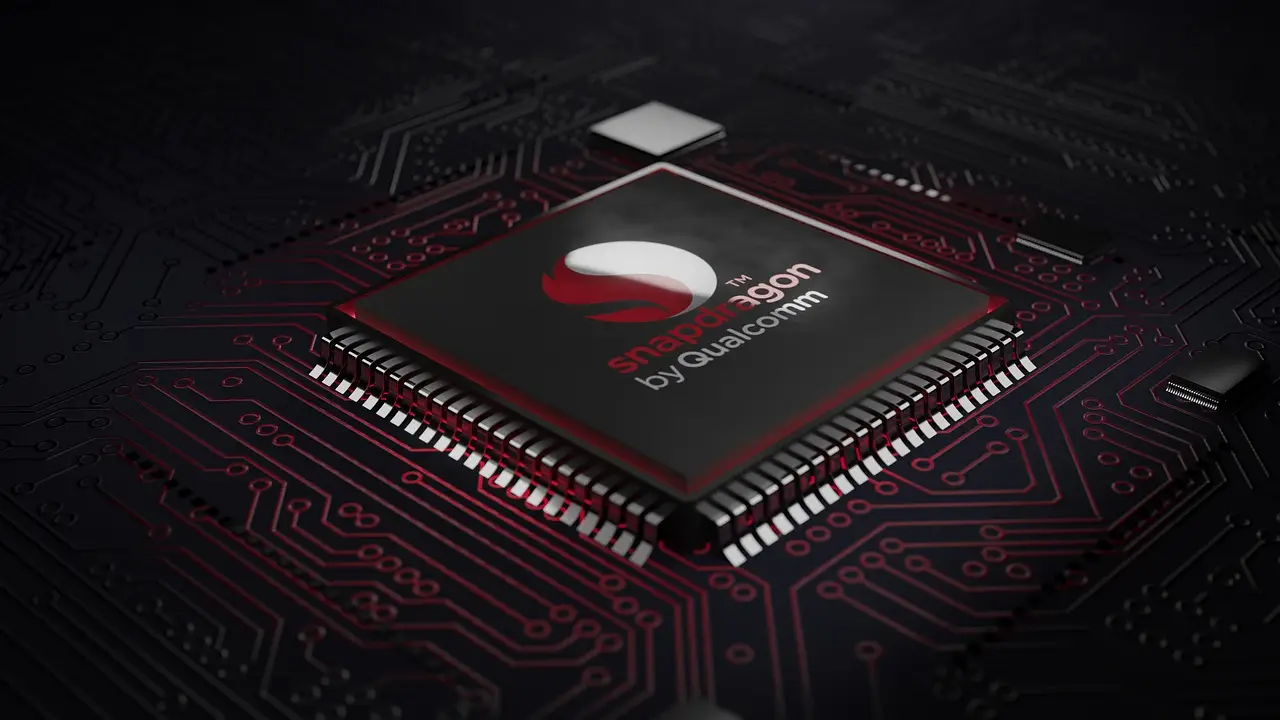
The shares still fell 2.75% in after-hours trading on Wall Street. The reason: margins. Apple warned investors that surging memory chip prices will eat into profits.
What did John Ternus say about memory prices?
"What we're seeing with memory pricing right now is unprecedented," Ternus told a conference call on Monday. He predicted memory costs in the fourth quarter of this year would be even higher than in the previous three months.
Apple is competing with datacentres for memory supplies. The tech industry has faced months of what insiders call "RAMageddon", as demand for memory chips from AI datacentres has surged and driven up prices.
Ternus said Apple's price increases — iPads and MacBooks in June, followed by iPhones in September — had "provided some offset" for the company against rising component costs.
How strong were the numbers?
The Cupertino company earned $30.71bn (£22.89bn), or $2.10 a share, in the July-September period. That compares with $27.47bn, or $1.85 a share, a year earlier — a 12% increase. Apple said the earnings figure included five cents a share from tariff refunds.
Wall Street had expected earnings of $1.99 a share on revenue of $113.4bn, according to FactSet. Apple beat on both lines.
Which products drove the growth?
Ben Barringer, head of technology research at Quilter Cheviot, called the results "OK, if on the disappointing side".
"Revenues were up 12%, driven primarily by iPhone sales and strong sales of Mac Mini, which users can use to apply agentic AI," Barringer said. "China growth was robust which is pleasing to see, while iPad and wearables disappointed with services growing but lower than the group average at 10%."
iPhone revenue hit a record, and China delivered strong growth — two data points Jacob Bourne, an analyst at Emarketer, said demonstrated the resilience of Apple's business.
There's also a wildcard in the pipeline. "There appears to be a lot of interest in the iPhone Duo, but it is early days yet with the product not yet on full release, but it is hoped that can help drive the next leg of Apple's product innovation," Barringer said.
Why is Apple's AI strategy shielding its cashflow?
Rivals like Alphabet and Amazon face investor scrutiny over their huge AI infrastructure investments. Bourne argued Apple's "tepid approach" to AI spending has helped preserve its cashflow.
Partnerships with companies such as Alphabet could let Apple strengthen its AI capabilities without taking on the same financial risks as its peers, Bourne added.
That stance may get tested in the coming months. If memory costs climb further in the fourth quarter as Ternus predicts, Apple will need record iPhone sales, China momentum and a successful iPhone Duo launch to keep margins intact through the holiday quarter.
Source: The Guardian Business
More from Amara Osei
Show full bio
Senior reporter covering companies, deals and strategy in entrepreneurship, startups and venture funding at Business Bearings.
1,446 articles