Burnham’s Climate Dilemma: £21bn, Jobs and Growth
Andy Burnham must reconcile climate commitments with North Sea drilling, electric vehicles and Heathrow. Government estimates put carbon capture’s 2030s job potential at 50,000 UK jobs.
By Nathan Brooks
5 min read
What's News
- The UK has set aside about £21 billion in subsidies for carbon capture and storage.
- Jackdaw was approved last month and has an expected lifespan of about 10 years.
- Rosebank is larger than Jackdaw and is set to last 25 years.
- Just under one in two new UK car registrations last month were electric or plug-in hybrids.
- Carbon capture could create about 50,000 UK jobs in the 2030s.
By Nathan Brooks
The UK government has set aside about £21 billion to subsidise carbon capture and storage, a pot that could be redirected under the North Sea compromise proposed by Jonathan Freedland.
At this week’s Cop summit in Antalya, Andy Burnham promised “a new era of British leadership” in the fight against global heating. Freedland says the language also serves Burnham’s political strategy of shrinking the Green Party’s appeal; its electoral success earlier this year helped remove his predecessor. Promises, however, must become policy.
Three approvals that sharpen the conflict
Freedland identifies four policy tests that make that conversion difficult:
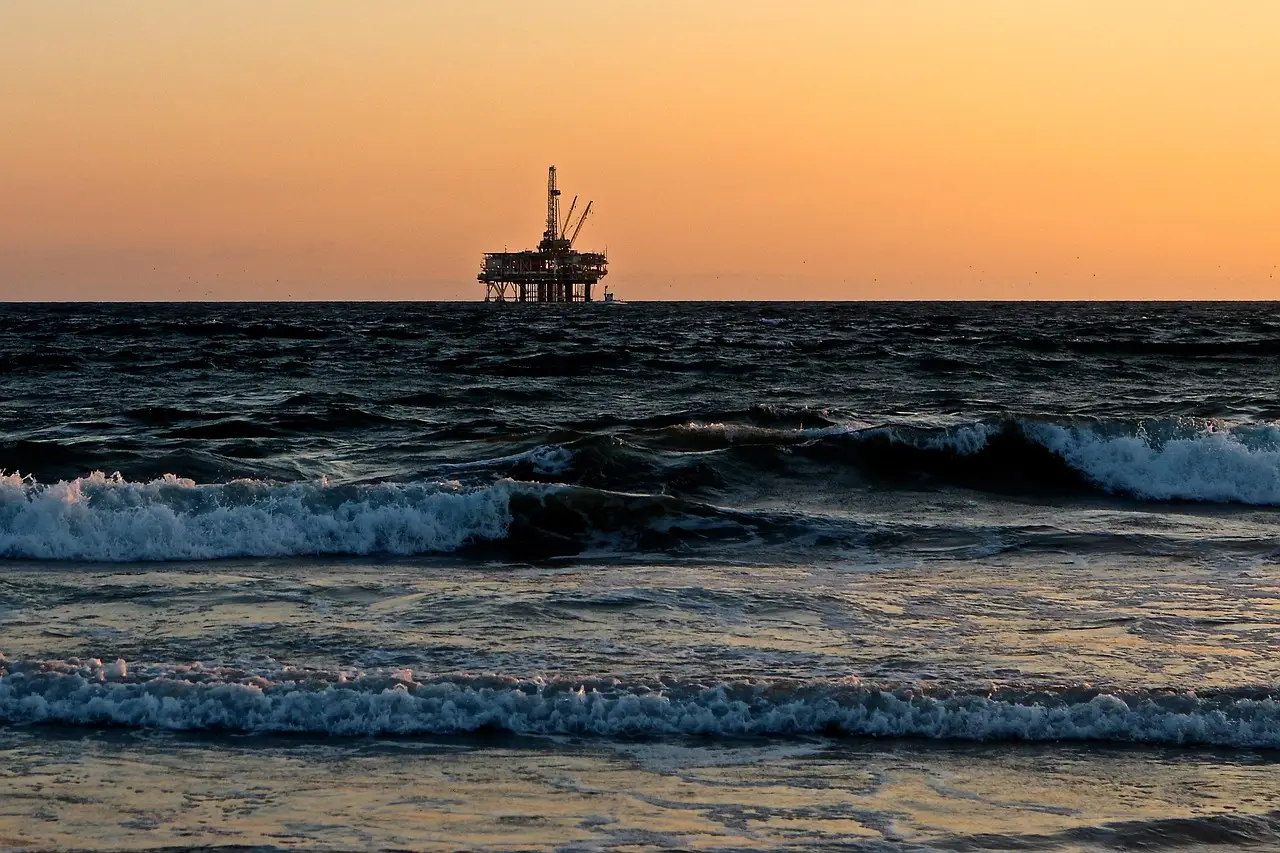
- Last month, Burnham’s government approved the Jackdaw gasfield in the North Sea, disappointing climate activists.
- A decision on Rosebank, the much larger proposed new oilfield northwest of Shetland, is approaching.
- Ministers show signs of preparing to weaken the car industry’s targets for shifting to electric vehicles.
- This week, Chancellor John Healey declared himself fully “behind building a third runway at Heathrow.”
Freedland reports that campaigners are responding with accusations of hypocrisy and the government’s “crumbling” credibility. In his account, the clash is unavoidable: climate scientists cite record global carbon emissions and a planet warming every year, while Healey argues that a thriving airport is an engine for economic growth.
Freedland frames the larger trap for centre-left politicians: voters demand economic growth and affordable living costs even as they recognize climate action as essential. He places Healey’s airport argument alongside the oil, gas and car industries.
Green activists want Burnham to put the planet first regardless of jobs or prices; business leaders want the opposite priority. Burnham must produce a position both camps can live with, which is why he has bought time by describing Rosebank as a “quasi-legal decision” that cannot be hurried.
Why demand may matter more than supply
Freedland’s answer mixes pragmatism and radicalism. It begins with a reversal of the usual supply-side climate argument: the most reliable way to reduce fossil-fuel use is to slash demand, not block production.
Michael Jacobs, who served as climate and energy adviser to Gordon Brown in Downing Street, told Freedland this week: “We need to destroy the demand for oil and gas.”
Freedland points to measurable progress through renewable wind and solar power and the move to electric vehicles. Last month, just under one in two new cars registered in the UK were fully electric or plug-in hybrids, giving ministers evidence that demand-side change is achievable.
When symbols become structural policy
Freedland’s second message targets campaigners who treat policy choices as symbols. Jackdaw is relatively small and has an expected lifespan of only about 10 years, so its approval need not define the government’s entire climate position. Symbols matter, Freedland argues, but they should not obscure what they symbolize.
Rosebank presents a harder test because it is bigger than Jackdaw and set to last 25 years. Heathrow is harder still: aviation emissions remain difficult to reduce because few readily available alternatives to aviation fuel exist, and a third runway would mean a serious increase in UK carbon dioxide emissions.
What changes if North Sea producers pay for carbon capture?
Freedland’s proposed bargain would grant reluctant consent to Rosebank while requiring any fossil-fuel production in the North Sea to use carbon capture and storage. Operators would have to send underground the equivalent amount of carbon released by burning the oil or gas they extract.
The requirement would be expensive, vigorously contested and phased, making a ban on new extraction less likely than managed production. Norway has operated carbon capture at the Sleipner field in its part of the North Sea for 30 years, offering a technical precedent rather than a complete policy template.
In Freedland’s prescription, Healey should tell companies that access to North Sea drilling comes with responsibility for capturing and storing their carbon themselves. That applies the polluter-pays principle and would free the £21 billion subsidy for schools, hospitals, defence and other public priorities rather than the fossil-fuel industry.
For North Sea operators, the practical change is direct: drilling consent would carry a carbon-disposal bill, while the government would redirect subsidies. Burnham could also hold firm on electric-vehicle targets despite protests from UK carmakers, giving the growth lobby a concession without reversing climate policy.
Freedland says the proposal is under “live” consideration by ministers. Government estimates cited in the column suggest carbon capture could create about 50,000 UK jobs in the 2030s, many more than further extraction. For Burnham, that would be a two-part strategy: permit projects such as Jackdaw while limiting the North Sea’s broader climate impact.
The compromise offers less purity than a wholesale ban that leaves fossil fuels in the ground, but it could keep a growing volume of carbon underground. If it worked, Jacobs believes the European Union or Norway might adopt similar requirements for their oil and gas producers, giving Burnham’s “new era of British leadership” a concrete policy foundation.
Freedland says the same logic applies to governments worldwide. They cannot reject every emissions-producing project, but they also cannot approve all of them; they must explain the rationale case by case while defending the broader need to prevent climate breakdown.
Climate policy must now compete for public attention with artificial intelligence, another issue capable of dominating existential-risk debate. Burnham, in Freedland’s view, needs a nimble, trusted communication style that does not shy away from nuance. The approaching Rosebank decision will show whether he can turn compromise into enforceable carbon discipline without surrendering climate credibility.
Source: theguardian.com
More from Nathan Brooks
Show full bio
News editor covering regulation, policy and their impact on entrepreneurship, startups and venture funding at Business Bearings.
2,059 articles