Citi: Malaysia Now a Digital Infrastructure Hub, Not Just a Factory Floor
Citi says global investor sentiment toward Malaysia has strengthened meaningfully, with AI-related export tailwinds and data center FDI offsetting a softening consumer. Execution speed, not appetite, is now the constraint.
By Olivia Hart
4 min read
What's News
- Citi said on Monday that Malaysia is increasingly viewed as a strategic hub for digital infrastructure, advanced manufacturing and regional growth.
- Citi Research identifies AI-related tailwinds in electrical and electronics exports as the key growth driver for Malaysia and regional peers.
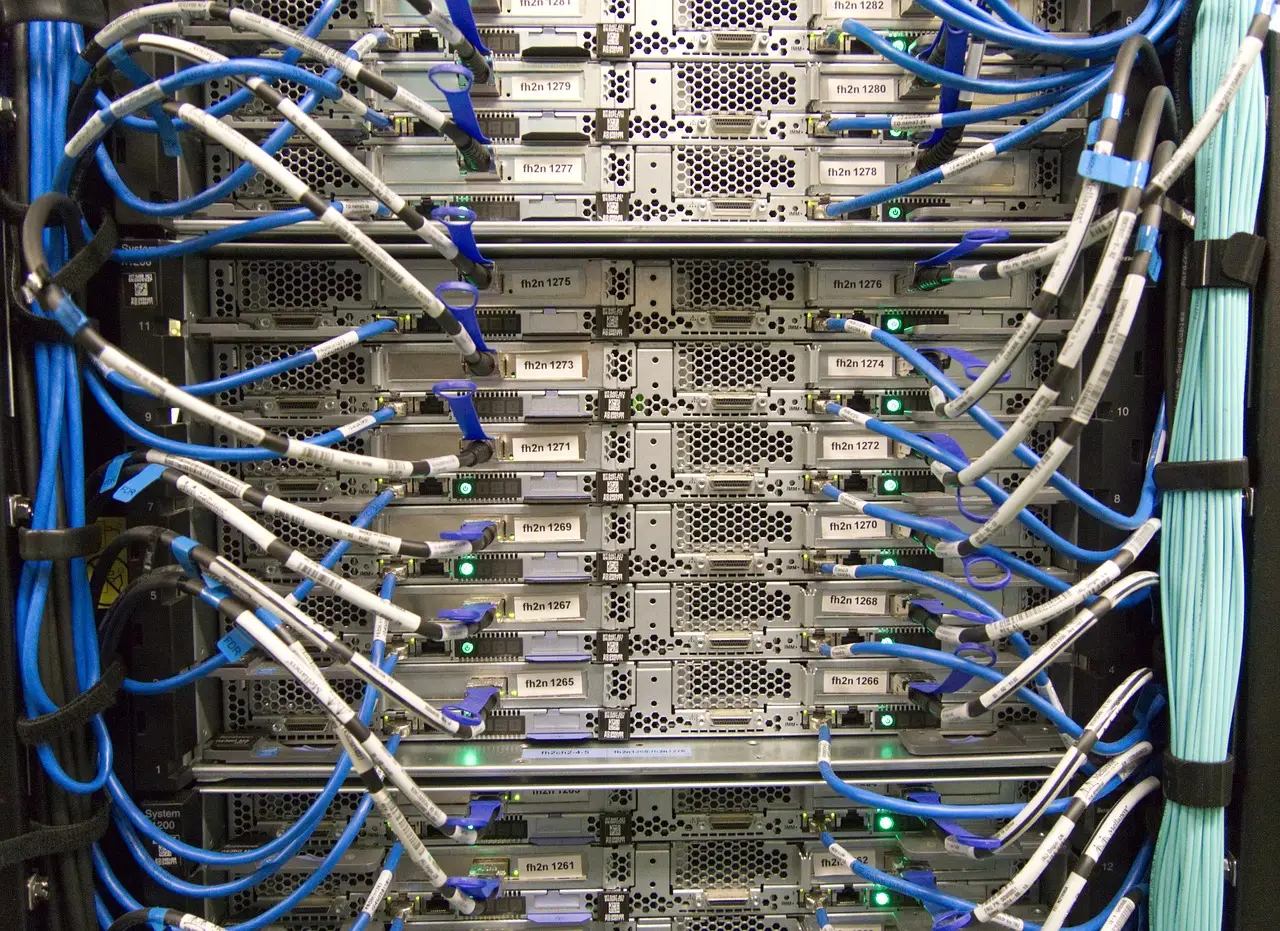
- Bigger capex drivers could be the data center FDI pipeline plus strong FDI momentum in the Johor–Singapore Special Economic Zone.
- Consumer spending continued to soften into August; Citi remains biased toward a stronger Malaysian ringgit.
- Former MITI Deputy Minister Ong Kian Ming warned Malaysia should not just provide land, water and electricity to data center investors.
Global investor sentiment toward Malaysia has strengthened meaningfully in recent years, and the country is now being priced as a strategic hub for digital infrastructure rather than a low-cost manufacturing floor, Citi said on Monday.
The claim comes with a clear hierarchy of evidence. Ng Hooi Wan, Head of Markets at Citi Malaysia, framed the shift in a statement: "Malaysia is increasingly viewed not just as a manufacturing destination, but as a strategic hub for digital infrastructure, advanced manufacturing and regional growth."
Her attribution matters. This is a bank's research view, not a signed deal flow, and it arrives as companies diversify supply chains and deploy capital across ASEAN — a trend that lifts several countries at once, not Malaysia alone.
What is actually driving the money?
According to Citi Research's latest outlook, presented by Kit Wei Zheng, Head of ASEAN Economics at Citi, the core growth engine is artificial intelligence. AI-related tailwinds in electrical and electronics (E&E) and semiconductor exports remain the key driver for Malaysia and its regional peers.
"While export resilience and realization of earlier investment approvals should cushion manufacturing foreign direct investment especially in E&E, bigger drivers of the capex could be the pipeline of data center related FDI, coupled with strong FDI momentum in the Johor–Singapore Special Economic Zone (JSSEZ)," he said.
Note the hedge embedded in that sentence. Manufacturing FDI gets "cushioned" — the word implies protection against pressure, not acceleration — while data centers and the JSSEZ carry the word "bigger." The bank is effectively saying the factory story is stable and the server-farm story is the growth story.
Kit Wei Zheng also pointed to early signs that the investment boom is spreading beyond enclaves: a sharper pickup in manufacturing wage growth, a renewed decline in the unemployment rate and a pickup in labor demand. The caveat followed immediately. "Consumer spending continued to soften into August, though this could stabilize going forward. We remain biased towards a stronger MYR," he said.
In plain terms: jobs and wages are improving, households are still cautious, and Citi expects the ringgit to firm.
Is Malaysia competing on the wrong variable?
A second voice in the Citi release pushed back on the cost-competition framing entirely. Dr. Ong Kian Ming, adjunct professor at Taylor's University and former Deputy Minister of International Trade and Industry, argued Malaysia should not chase cheapness.
"Our long-term success will depend on creating greater value through innovation, technology adoption and a highly skilled workforce," he said.
Ong's critique cuts at the data center boom Citi itself highlights. Rapid growth in AI and digital infrastructure investment, he cautioned, risks reducing Malaysia to a landlord of inputs. "We should not just be providers of land, water and electricity. The priority must be to build local capabilities, develop talent and ensure Malaysian companies participate meaningfully in the value chain," he said.
That is the sharpest tension in the story: the FDI pipeline Citi touts is dominated by physical infrastructure, while the former trade minister measures success by whether Malaysian firms capture higher rungs of that value chain.
Quality versus quantity
Ong conceded that attracting investment remains important. The focus, he said, must increasingly shift toward maximizing long-term economic impact.
"The quality of investment matters as much as the quantity. The goal is to ensure that investments generate high-value jobs, strengthen domestic capabilities and support sustainable economic growth, highlighting opportunities arising from several fast-growing industries," he said.
He identified the intersection of semiconductors, renewable energy, data centers and AI as a significant opportunity for Malaysia to strengthen its position in the global economy and accelerate industrial transformation — a convergence claim that depends heavily on execution.
What happens next?
Citi's own framing sets the test. The question, per Ng Hooi Wan, is no longer whether investors want to invest but how quickly projects can be executed and scaled; continued progress in infrastructure, regulatory coordination and ease of doing business will determine whether the momentum holds.
Ong's closing benchmark is stricter still: Malaysia's progress as a higher-value economy will be measured by stronger technology capabilities, a skilled workforce and a stable, competitive investment environment. Whether the data center pipeline converts into domestic capability, rather than rented utilities, is the unresolved question in Citi's bullish outlook.
Source: technode.global
More from Olivia Hart
Show full bio
Staff writer covering people, launches and day-to-day practice in entrepreneurship, startups and venture funding at Business Bearings.
2,205 articles