EU Anti-Greenwashing Rules Now in Force, Threatening Eco-Labels
EU anti-greenwashing rules are now in force, and Skift reports some eco-labels may not survive as travel companies must prove environmental claims or drop them.
By Amara Osei
2 min read
Updated
What's News
- EU anti-greenwashing rules have taken effect.
- Some eco-labels may not survive the new regime, Skift reports.
- Companies making green claims in the EU market must now substantiate them.
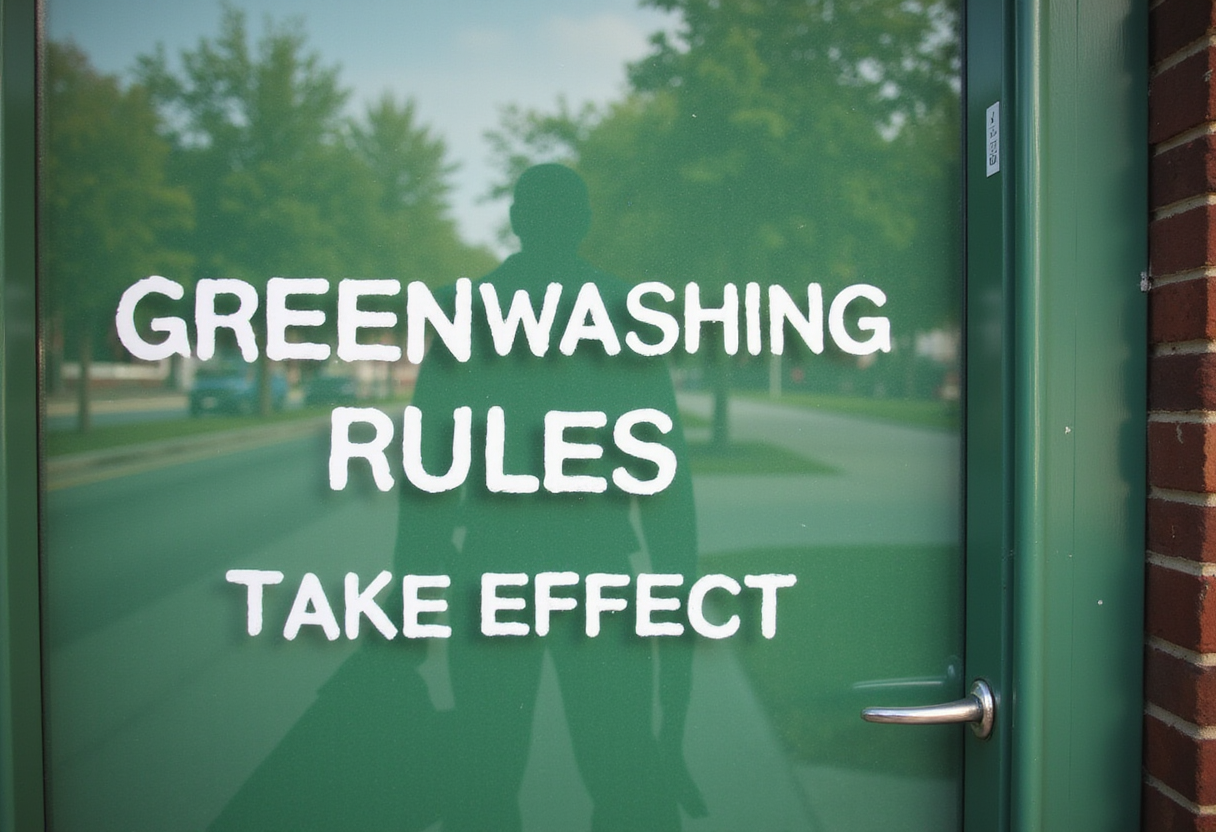
The European Union's anti-greenwashing rules have taken effect, and Skift reports that some eco-labels may not survive the new regime.
The rules mark a turning point for how companies in travel and beyond can market their environmental credentials. Claims that once passed as marketing shorthand — "carbon neutral," "eco-friendly," "green" — now face legal scrutiny under EU law.
According to Skift's coverage, the regulations put existing certification schemes and eco-labels under pressure. Labels that cannot substantiate their environmental claims risk losing credibility, market access, or both.
For travel companies, the stakes are direct. Airlines, hotel groups, tour operators and booking platforms have leaned heavily on sustainability badges and environmental messaging to capture demand from climate-conscious travelers. Under the new rules, those messages must be verifiable.
The EU has moved against greenwashing as consumer regulators across member states documented a pattern of vague or unsupported environmental claims. The new framework shifts the burden onto companies: if a business makes a green claim, it must be able to prove it.
Skift's reporting suggests the shakeout will not spare the certification industry itself. Eco-labels operate with varying degrees of rigor, and schemes that lack transparent criteria or independent verification are the most exposed. Some may collapse; others will need to tighten standards to remain usable by companies selling into the EU market.
The travel sector has a particular exposure. Sustainability claims appear throughout the customer journey — in fare classes marketed as carbon-offset, in hotel ratings that promise reduced water or energy use, in cruise and tour marketing that leans on destination stewardship. Each of those touchpoints now carries compliance risk if the underlying claim does not hold.
For global brands, the EU rules reach beyond Europe's borders. Companies that sell to European consumers or operate in the single market must meet the standard regardless of where they are headquartered. That gives the rules a de facto global reach for multinational travel groups.
The direction is clear. Environmental marketing in travel is moving from self-declaration to substantiation. Companies that invested early in verified data and credible certifications are positioned to absorb the change. Those that treated sustainability as a label rather than a practice now face a choice: prove the claims or pull them.
As enforcement begins, expect a wave of relabeling, rewording and retirement of environmental badges across travel marketing — and, as Skift warns, some eco-labels will not make it through.
Source: GN: Venture Capital
More from Amara Osei
Show full bio
Senior reporter covering consumer brands and retail at Business Bearings.
321 articles