Hormel Closes $1.055 Billion Brakebush Chicken Deal
Hormel Foods closed its $1.055 billion acquisition of Brakebush Brothers, a deal expected to roughly triple net sales from its chicken business. More detail comes December 3, 2026.
By Daniel Okafor
3 min read
What's News
- Hormel Foods completed its acquisition of Brakebush Brothers for approximately $1.055 billion.
- Hormel expects the deal to approximately triple net sales from its chicken business.
- The agreement was announced September 30, 2026 and closed less than two months later.
- Hormel will detail the deal's impact on its fiscal 2027 outlook at its December 3, 2026 earnings call.
- Hormel generates more than $12 billion in annual revenue across more than 30 brands.
By Daniel Okafor
Hormel Foods has completed its $1.055 billion acquisition of Brakebush Brothers, a deal it expects will roughly triple net sales from its chicken business. The company announced the agreement on September 30, 2026 and closed it less than two months later.
The purchase adds Brakebush's processed chicken portfolio, its direct sales organization, its customer relationships and its category expertise to Hormel's foodservice operation. For Hormel, which generated more than $12 billion in annual revenue last year across more than 30 brands, the deal is a focused bet on one protein category rather than a broad portfolio shift.
"We're excited to officially welcome the Brakebush team to Hormel Foods. Brakebush has built a strong reputation around quality, deep customer relationships and real expertise in value-added chicken," said John Ghingo, President and Chief Executive Officer of Hormel Foods. He added that "bringing together two talented teams with a shared focus on delivering for customers strengthens our Foodservice business and supports our long-term growth strategy."
What does the deal change for Hormel?
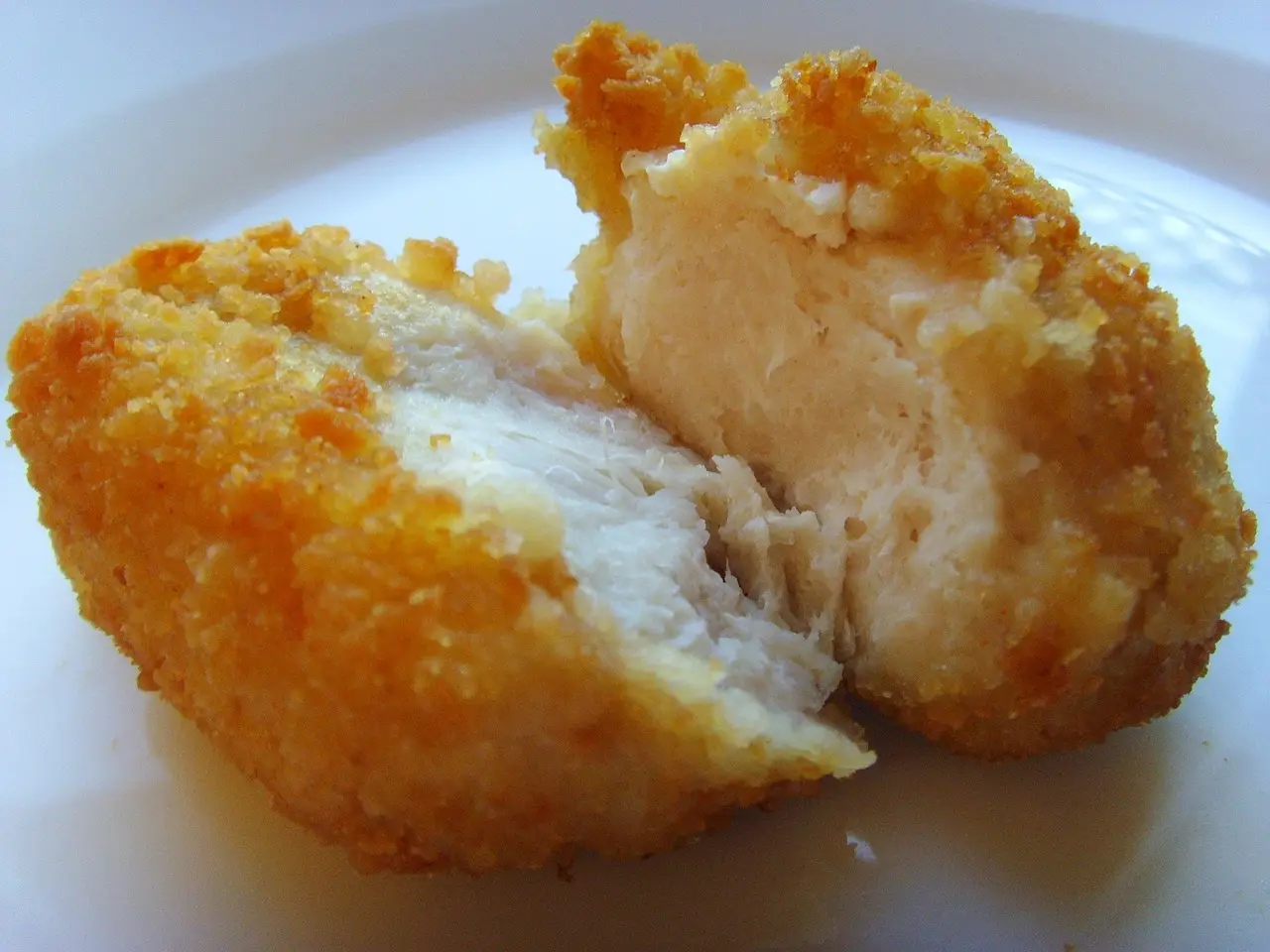
It moves Hormel deeper into value-added chicken. That term covers products cut, seasoned, breaded, cooked or otherwise prepared beyond initial processing. These products let restaurants cut prep work, hold quality steady and reduce labor needs.
Brakebush supplies these products to national and regional foodservice operators across the United States. Its sales force adds people with specific experience selling chicken to restaurants, distributors and other commercial buyers. Hormel expects the combination to widen the product range it can offer foodservice customers.
Hormel identified value-added chicken as a growth category before the deal, citing demand from foodservice operators and their customers. The company says the acquisition increases its exposure to a protein category with favorable demand trends.
Who is Brakebush?
Brakebush was founded in 1925 and is headquartered in Westfield, Wisconsin. It runs additional facilities in Mocksville, North Carolina; Irving, Texas; Wells, Minnesota; and Hartwell, Georgia.
That network produces further-processed chicken products for foodservice establishments throughout the country. The footprint gives Hormel added production capacity and a broader physical presence in the category.
The deal also joins two long-running businesses. Brakebush has operated for more than a century. Hormel traces its history to 1891 from its base in Austin, Minnesota.
For Brakebush, the transaction provides access to Hormel's scale, distribution capabilities, customer network and financial resources.
What happens next?
Hormel now begins integration. The work covers sales, customer relationships, manufacturing, supply chains and administrative functions. Hormel must also retain key Brakebush employees and hold service levels steady through the transition.
The company has not yet published a detailed integration timeline or a specific synergy target. More detail should come when Hormel discusses its fiscal 2027 outlook on its fourth-quarter earnings call scheduled for December 3, 2026. That update may cover the transaction's expected effect on revenue, earnings, expenses, debt and capital allocation.
Investors should treat the headline projection carefully. The expected tripling of chicken net sales is a forward-looking figure, and Hormel says actual results depend on customer demand, integration execution, operating performance, costs, competition and other market conditions.
Hormel has also cautioned that integration could bring unforeseen liabilities, capital expenditures, costs or operational disruptions. Its ability to capture the expected benefits depends partly on combining the two organizations successfully.
The immediate priority is straightforward: integrate Brakebush while preserving the product quality and customer relationships that made the business worth $1.055 billion to Hormel in the first place.
Source: pulse2.com
More from Daniel Okafor
Show full bio
Correspondent covering money, funding and market shifts around entrepreneurship, startups and venture funding at Business Bearings.
2,226 articles