IEA: No 'Credible Pathway' Back to Pre-War Energy World as Hormuz Oil Flows Collapse
The IEA's World Energy Outlook says the Iran war shock has permanently changed energy markets, with Hormuz oil flows set to collapse to under 2 million barrels a day by 2035.
By Amara Osei
4 min read
What's News
- Oil transiting the Strait of Hormuz could fall from 20 million barrels per day before the Iran war to 8.5 million by 2030 and under 2 million by 2035, the IEA forecasts.
- In March, the IEA coordinated an emergency release of 400 million barrels of crude oil stocks to stabilize markets.
- The IEA named renewables, led by solar, and nuclear power the biggest beneficiaries of governments expanding domestic energy sources.
- Turkey is pushing at COP31 to raise electricity's share of global energy consumption from about 21% today to 35% by 2035.
- China's electrification rate may grow from 32% last year to 43% by 2035, the highest among major economies.
Oil transiting the Strait of Hormuz could fall from 20 million barrels per day before the Iran war to 8.5 million by 2030, and below 2 million by 2035, according to the International Energy Agency's World Energy Outlook released Thursday.
The IEA, the Paris-based intergovernmental body founded after the 1973-74 energy crisis, said the war-triggered energy shock — the largest in history — will "leave lasting marks" on the global energy sector. Executive Director Fatih Birol was blunt about the direction of travel.
"I don't see any credible pathway for the energy world to return to the way it was before," Birol said.
He said the Iran war "delivered a huge shock to the system" and warned that "the longer the crisis lasts, the deeper the effects will be." The report looks "past the current turmoil to explore the range of energy futures that could emerge from today's upheaval," Birol added.
What does the report forecast?
This year's World Energy Outlook runs more than 560 pages. It analyzes government and private data to project scenarios based on whether countries keep current policies or change course amid ongoing crises.
The IEA counts more than 30 member countries and publishes the flagship report annually. Experts quoted in its rollout agreed the sector now has a clear before-and-after dividing line at the Iran war.
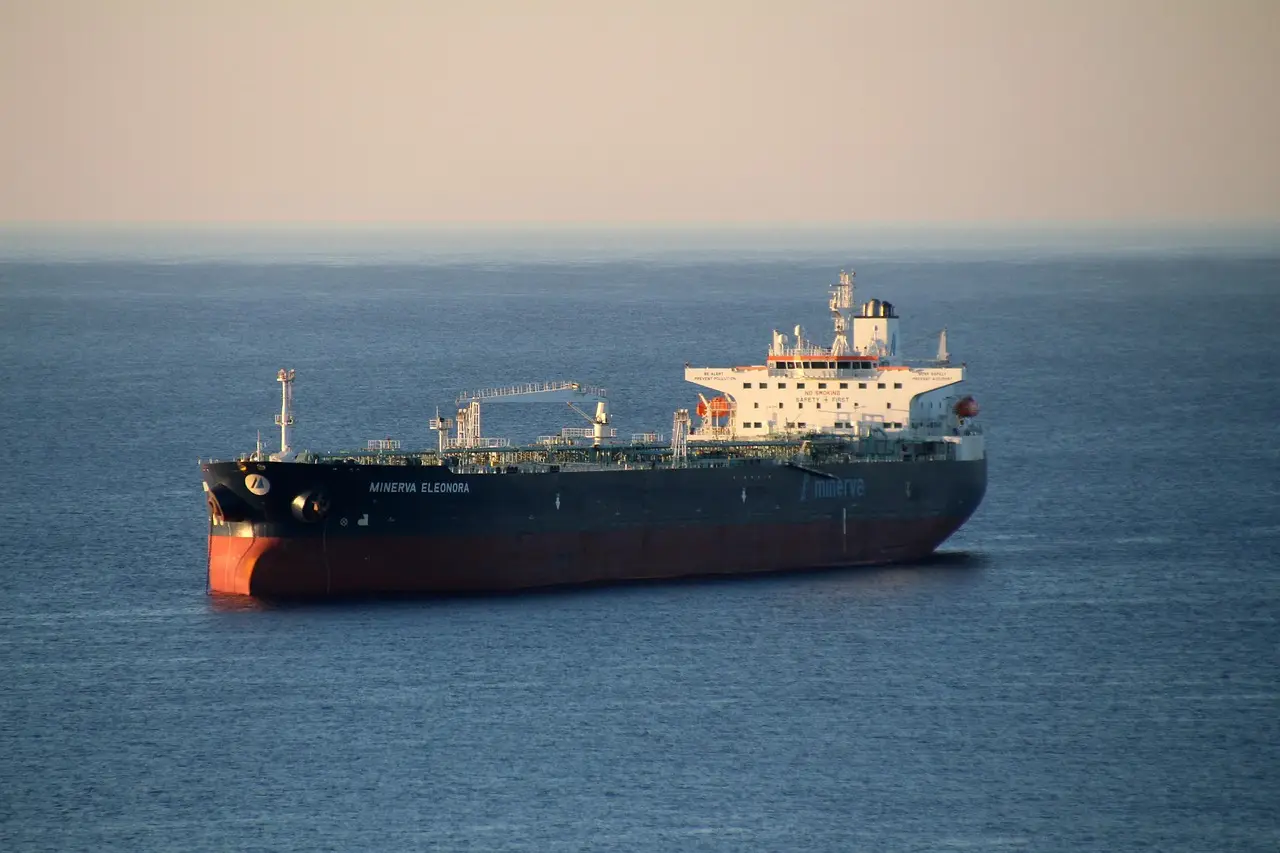
In March, the IEA coordinated an emergency release of 400 million barrels of crude oil stocks to stabilize global markets after the war cut off the Strait of Hormuz, the narrow passageway where roughly a fifth of the world's traded oil normally flows.
Conflicts, trade tensions, climate risks and cyberattacks are multiplying the possible energy futures. The IEA said the "drive to diversify" fuel supplies will reshape energy trade. The Middle East will remain the world's largest oil exporter, but nations will likely cut their dependence on the Hormuz chokepoint — hence the steep projected decline in transit volumes.
"This crisis has exposed the price of fossil fuel dependence," said Mohamed Adow, director of Power Shift Africa. "It's crazy that a conflict thousands of miles away can send energy bills soaring at home."
Who wins and who stays on standby?
While fossil fuels still dominate national energy mixes, the IEA named renewables — led by solar — and nuclear power the "biggest beneficiaries" of governments pushing to expand domestic energy sources.
The picture isn't uniform. Energy-hungry nations will prioritize security and affordability of electricity, the report said, and that logic cuts both ways. It reinforces the case for clean technologies, but it also strengthens coal's role as a crisis fallback — especially in coal-rich Asia, which went into energy triage when the war shut down Hormuz.
"When we look at how energy crises change the world over the long term, governments are only just beginning to get their head around just how much things will change," said Dave Jones, co-founder of the think tank Ember.
What's happening at the climate talks?
The report landed during the second and final week of COP31, the annual U.N. climate talks hosted by Turkey this year. Before the negotiations opened, the U.N. announced the world is dangerously close to missing its goal of limiting global warming to 1.5 degrees Celsius (2.7 degrees Fahrenheit) above pre-industrial temperatures.
Electrification — powering homes, cars and industry with electricity — and moving off planet-warming fossil fuels are the two headline issues on the table. The talks follow a year rattled by the Iran war's energy shock and several climate-induced disasters.
Turkey is pushing to raise electricity's share of total global energy consumption from roughly 21% today to 35% by 2035. But U.N. negotiating documents don't specify that the increase must come from renewables, meaning coal and other fossil fuels could supply it, at least initially.
"The future of the energy system and our climate are inextricably intertwined," said Rachel Cleetus, climate program director at the Union of Concerned Scientists, who is at COP31.
"The IEA's latest report makes clear that the fossil energy crisis unleashed by the US-Israel war on Iran has irrevocably changed the global energy system, adding to the many reasons why countries would benefit from a rapid transition to clean energy and electrification," Cleetus said.
Where does demand growth come from?
Global warming itself is adding pressure to electricity demand. In what the IEA called a "striking milestone," energy demand for cooling is overtaking demand for heating for the first time.
India, the world's most populous nation, will account for more energy demand growth over the next decade than any other country or region. China, already among the world's most electrified economies, may see its electrification rate climb from 32% last year to 43% by 2035 — the highest of any major economy.
The upshot for markets and policymakers: the IEA's numbers imply a decade-long restructuring of oil trade routes and a scramble for domestic supply. Whether that push locks in renewables and nuclear, or extends coal's life as crisis insurance, is the open question heading out of COP31.
Source: Fast Company
More from Amara Osei
Show full bio
Senior reporter covering companies, deals and strategy in entrepreneurship, startups and venture funding at Business Bearings.
2,370 articles