Jackdaw Gas Starts Flowing After Court Fight and Government Approval
Gas from Jackdaw is flowing into Britain after government approval, adding 6% to UK gas output as Adura pushes for a decision on Rosebank's 300-500 million barrels.
By Grace Kim
4 min read
What's News
- Jackdaw will provide about 6% of UK gas production, enough to power 1.4 million homes, or ~2% of total UK demand including imports.
- The UK government says Jackdaw adds £2.9bn to the economy over an 11-year lifespan.
- In January 2025 the Court of Session ruled consent for Jackdaw and Rosebank unlawful after a Supreme Court ruling on downstream emissions.
- Rosebank holds an estimated 300-500 million barrels of oil; Adura owns 80%, Ithaca Energy 20%.
- Gas is processed at the Shearwater platform and piped to the St Fergus terminal in Aberdeenshire.
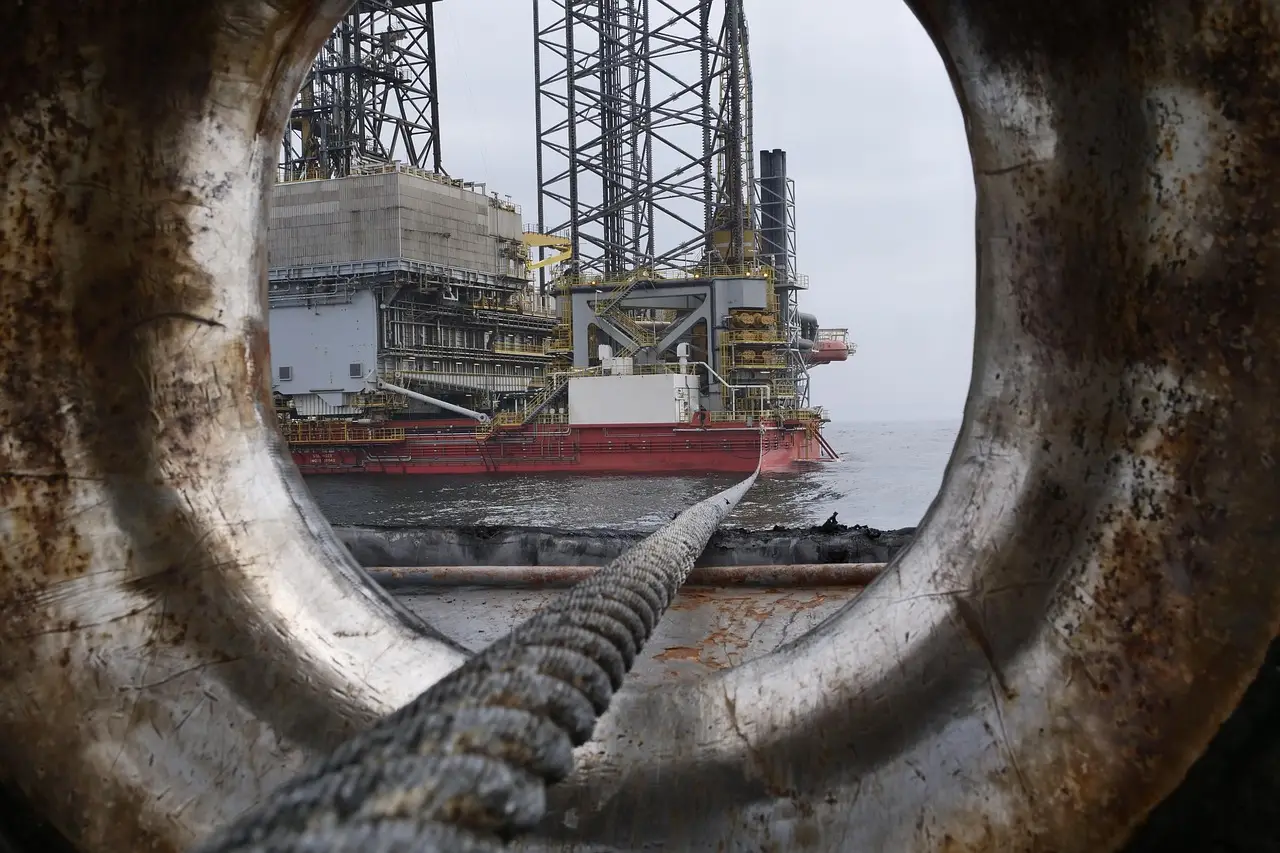
Gas from the Jackdaw field started flowing into Britain on Tuesday, one month after Energy Secretary Miatta Fahnbulleh gave the project the green light. The field, which lies 150 miles east of Aberdeen, is expected to cover about 6% of UK gas production — enough to power 1.4 million homes.
Adura, the field's operator, said Jackdaw's output amounts to roughly 2% of total UK demand once imports are included. Fahnbulleh framed the start of production in security terms.
"Last month, I gave Jackdaw the green light and today its gas will start flowing into Britain, thanks to the hard work of the skilled North Sea workers," she said. "It means homegrown gas from this project will help to heat millions of British homes and businesses this winter and beyond, in a boost for our energy security. It also will help minimise the UK's use of imported higher emission gas as we continue our transition to renewables and nuclear."
Who owns Jackdaw and how does the gas reach shore?
Adura operates the field under a joint venture between Shell and Norway's state-owned Equinor. The gas will be pumped to the existing Shearwater platform for processing — a so-called tie-back — before moving on to the St Fergus gas terminal in Aberdeenshire.
The UK government puts the economics plainly: over an expected 11-year lifespan, Jackdaw will support the UK's gas supply, protect hundreds of jobs and add £2.9bn to the economy.
Claire Mueller, Jackdaw project director at Adura, said the field was "now helping to power Britain" and called the approval "a positive step towards restoring confidence in the North Sea". She said Adura was "proud to be producing the oil and gas our country will continue to need for decades".
Why did approval take so long?
The field's history stretches back decades. Westminster granted exploration licences for the area in 1970 and 1989. Jackdaw itself was discovered in 2005, but it was expensive and technically difficult to exploit. Shell did not commit to development until 2022, shortly after the Conservative government consented to production.
In January 2025, following a challenge by environmental campaigners, the Court of Session in Edinburgh ruled that consent for Jackdaw and the Rosebank oil field had been granted unlawfully. Lord Ericht found the developers should have provided a more detailed account of the fields' climate impact. The ruling followed a Supreme Court decision requiring developers to account for emissions from actually burning fossil fuels, not just from extracting them. The judge allowed preparatory work to continue while new environmental impact assessments were drafted.
The previous Conservative government had approved Jackdaw in 2022 and Rosebank in 2023; both decisions were struck down by the Scottish courts.
What are critics saying?
Scottish Greens co-leader Ross Greer called the Jackdaw approval "climate vandalism". "It is a devastating betrayal of our children's future and it won't even lower energy bills in the here and now," he said.
Greenpeace co-executive director Areeba Hamid said approving Jackdaw was "the wrong decision" on bills, energy security and climate change. Oxfam said the government had "drilled straight through the UK's climate commitments" and urged it to rule out any new oil and gas licences.
Prime Minister Andy Burnham has pledged to stick to the UK's net zero target despite the approval. He previously said Jackdaw would "significantly strengthen our energy security by increasing domestic gas production by about 6% and support the UK's energy supply for more than a decade".
The government's own messaging has been mixed. When BBC News visited the platform this summer, Adura CEO Neil McCulloch said approval was vital to avoid domestic supply shortages this winter. But Energy Minister Michael Shanks wrote in August, in an interim response to a consultation on future gas supplies: "With diminishing output from the North Sea over the past decades, any gas produced from the UK Continental Shelf represents a tiny fraction of global demand and so will not lower prices nor materially boost supply."
What happens with Rosebank?
A decision on Rosebank, the UK's largest known untapped oil field, located off Shetland, is still pending. Adura holds an 80% stake, with London-based Ithaca Energy holding the other 20%. McCulloch called the Jackdaw decision "an important and positive step forward" but said attention now turned to Rosebank, which contains an estimated 300 million to 500 million barrels.
Unlike Jackdaw's gas, most of which will be consumed domestically, Rosebank's oil will be exported by tanker and sold on international markets.
Original: assets.publishing.service.gov.uk
More from Grace Kim
Show full bio
Market editor covering people, launches and day-to-day practice in entrepreneurship, startups and venture funding at Business Bearings.
2,178 articles