Serve Robotics opens Physical AI Services to other fleets
Serve Robotics launched Physical AI Services after posting $2.8 million in third-quarter revenue, up 313%, and raised its 2026 forecast to $12 million.
By Daniel Okafor
3 min read
What's News
- Serve Robotics raised its 2026 revenue forecast to $12 million from $9 million-$10 million.
- Third-quarter revenue reached $2.8 million, up 313% year over year.
- Serve has deployed more than 2,000 robots across more than 40 cities and 27 hospitals.
- Recurring revenue accounted for 69% of total sales.
- Serve ended September with $198 million in cash and marketable securities.
By Daniel Okafor
Serve Robotics raised its full-year 2026 revenue forecast to $12 million from a previous range of $9 million to $10 million. The company reported third-quarter revenue of $2.8 million on Thursday. Revenue rose 313% year over year.
The San Francisco-based company has launched Physical AI Services, a platform for other robotics operators. Serve built the underlying connectivity, data management and AI training tools for its own autonomous delivery fleet. It now sells that operating layer to outside companies.
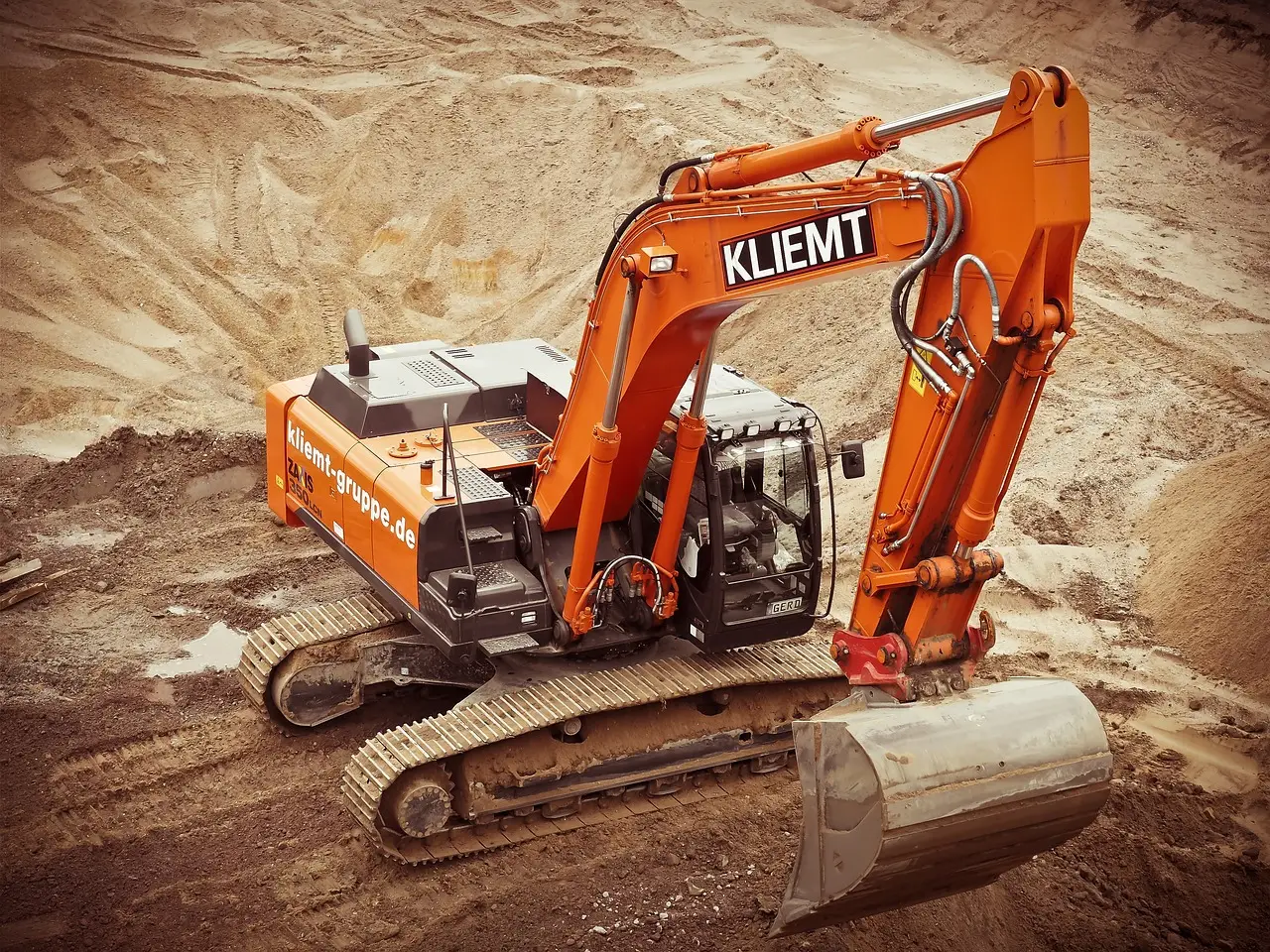
Serve said the new customers work in construction, mining and autonomous trucking, alongside its own delivery operations. Bedrock Robotics, which develops autonomous systems for heavy construction equipment, is among the launch customers.
What does Serve’s new platform contain?
According to Serve, Physical AI Services helps robot developers connect machines to remote computing, identify useful training data and improve AI models with information collected during real-world operations. The platform contains three components.
- Serve Link: Connects field robots with remote AI models, monitoring systems and computing infrastructure. It lets machines exchange information with systems outside the robot.
- Serve Data Curator: Finds useful training examples within large volumes of fleet data. The service reduces the amount of information engineers must review manually.
- Real-world data catalog: Supplies training data from Serve’s sidewalk delivery operations. The catalog includes terrain and infrastructure information to help models understand complex urban environments.
As robots work, they generate records that engineers must evaluate to decide which events will improve their models. Data Curator selects the relevant examples, allowing developers to concentrate on useful information rather than entire datasets.
Serve said the services already support thousands of vehicles across roughly a dozen industries, including its own delivery operations. The company has deployed more than 2,000 robots across more than 40 cities and 27 hospitals.
The commercial logic is reuse rather than a fresh software build. Serve developed the layer for its own robots and now offers it to other fleet operators, including companies with different machines and working environments.
How does Bedrock Robotics use the system?
According to Serve, Bedrock Robotics uses Serve Link to connect autonomous heavy-construction equipment through Wi-Fi, LTE, 5G and satellite networks. The system provides a communications link between equipment in the field and remote computing and monitoring systems.
That extends Serve’s infrastructure proposition beyond sidewalk deliveries and into industrial operations. Connectivity, rather than the robot’s physical task, is the layer Bedrock is using.
The distinction matters for fleet developers. Building a machine is only one requirement; keeping it linked to outside models and monitoring systems creates a separate infrastructure obligation.
Why is Serve opening the technology now?
Serve co-founder and CEO Ali Kashani said in the announcement: “Building a robot is only the beginning. Keeping thousands of them connected, learning and improving requires another layer of technology.”
His explanation makes the commercial mechanism explicit: Serve needed the fleet layer for its own business and now wants other companies to use it instead of rebuilding equivalent systems.
Kashani added: “We’ve put that technology to work in our own fleet. Now we’re opening it to other companies so they can focus on what their robots do, rather than rebuilding the systems around them.”
The trade is reuse for Serve and access for customers. Bedrock gains connectivity without rebuilding the surrounding infrastructure, while Serve extends software already deployed across its own fleet.
What do the financial numbers show?
Recurring revenue accounted for 69% of total sales. Serve said daily deliveries among new platform partners tripled during the quarter. The company also lowered its full-year non-GAAP operating expense guidance to $150 million.
Serve ended September with $198 million in cash and marketable securities. The company did not disclose separate revenue for Physical AI Services, leaving its contribution to the raised forecast unquantified.
Physical AI Services gives Serve a way to sell fleet infrastructure beyond its own delivery network. The next checkpoint is whether the new offering produces measurable revenue within the raised 2026 forecast.
Source: theaiinsider.tech
More from Daniel Okafor
Show full bio
Correspondent covering money, funding and market shifts around entrepreneurship, startups and venture funding at Business Bearings.
1,564 articles