Waste Connections proposes 47 acres, 70 feet at Seneca Meadows
Waste Connections proposes 47 acres and 70 feet of additional height at Seneca Meadows as New York weighs expansion despite methane, odor, water and recycling concerns.
By Nathan Brooks
5 min read
What's News
- Waste Connections proposes 47 acres of new disposal cells and 70 additional feet at Seneca Meadows.
- The landfill spans 350 acres and rises about 300 feet, roughly the Statue of Liberty’s height.
- Seneca Meadows receives around 6,000 tons daily; about 1,500 tons come from New York City.
- Landfills receiving New York City’s rubbish are expected to fill completely within 16 to 25 years.
- Assembly member Emily Gallagher estimates 80% of Seneca Meadows’ contents could be recycled.
By Nathan Brooks
Waste Connections’ plan for Seneca Meadows, New York’s largest active landfill, calls for 47 acres of newly lined disposal cells and another 70 feet of height. The Texas-based operator’s proposal would extend the site’s life for several more decades as state authorities consider whether to approve it.
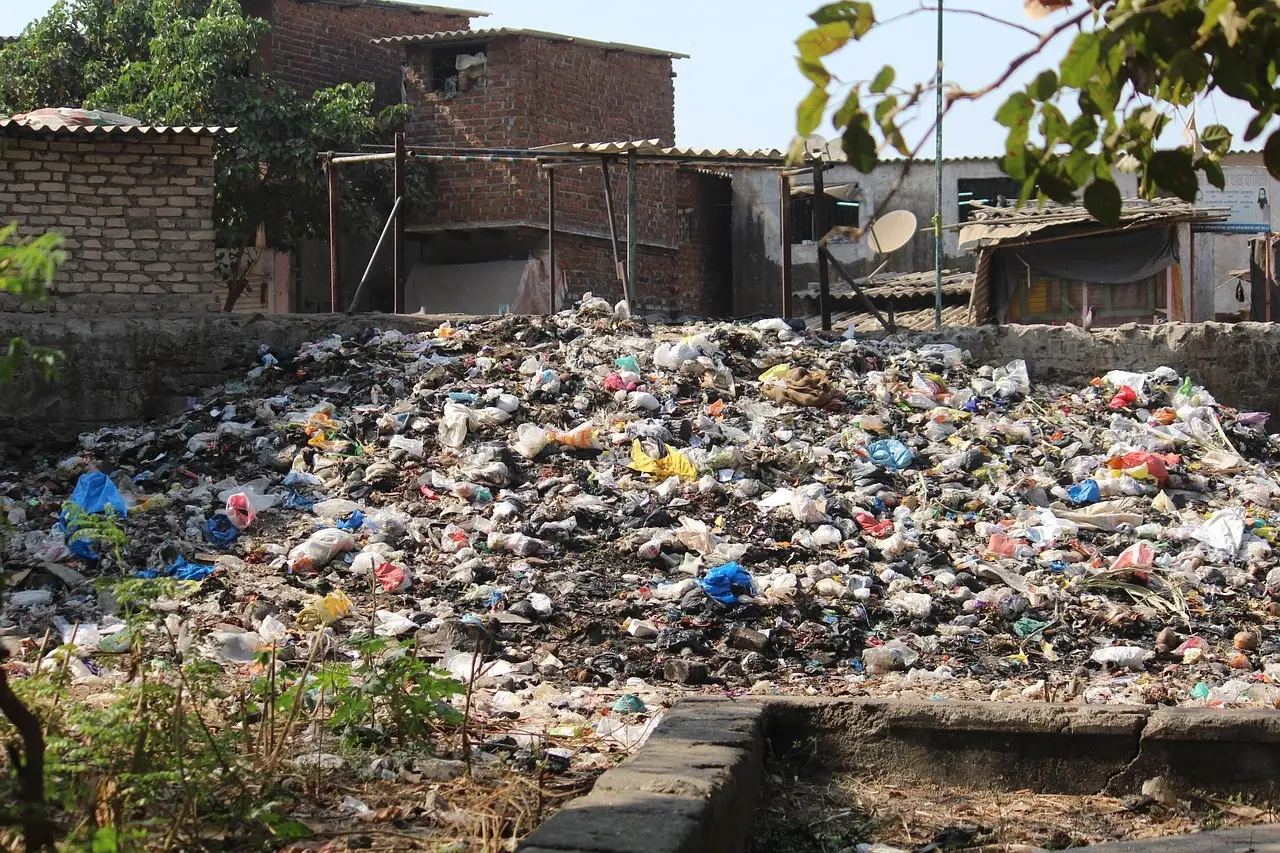
Seneca Meadows, in the Finger Lakes region of northern New York, has grown since the 1980s across 350 acres. Its trash mound reaches around 300 feet, roughly the Statue of Liberty’s height. Waterloo Containers, a glass-packaging company beside the site, sits dwarfed by its neighbor.
“All around the lakes is pretty flat until you see this monster of a hill,” said Mark Pitifer, a marketing administrator at Waterloo Containers, a glass packaging company that sits next to the landfill and is dwarfed by its neighbor. “I mean it’s incredible, it’s like being in downtown New York City only instead of a building, it’s trash.”
Locals in Waterloo and Seneca Falls had expected closure when the landfill’s permit expired last year. Seneca Falls is the birthplace of the US women’s rights movement.
What does the expansion change for New York’s waste system?
Approval would add regional disposal capacity while nearby communities carry the odor, water-pollution and climate burden. Seneca Meadows already receives around 6,000 tons of trash daily from across the state, including 1,500 tons from New York City.
The landfills receiving New York City’s rubbish sit hundreds of miles away and are expected to fill completely within 16 to 25 years. Approval would not curb the city’s waste output; it would extend the life of a regional disposal site.
Emily Gallagher, a Democratic member of the New York State Assembly, recently toured the site and convened a hearing on state waste-storage policies. “We are at the precipice of a crisis,” she said.
“There is this huge mountain of trash that is off gassing almost 24 hours a day … contaminating the Finger Lakes, contaminating the groundwater,” she said of the site. “People we met in town are in really bad shape, we need to shut this expansion attempt down now.”
Gallagher said lobbying and donations from plastics and fossil-fuel interests have stymied stricter waste reduction and recycling enforcement. She estimated 80% of Seneca Meadows’ contents could be recycled. Much of the waste consists of cheap, disposable products.
“We say throwing away but there is no away,” said Gallagher, whose district includes part of Brooklyn. “The problem is that it will take a culture change that people won’t want to do until it is forced in their faces.”
“We used to have a much more circular economy, where people reused and rewashed everything, but we have been indoctrinated into a convenience culture, even if it then causes us more inconvenience,” she said.
Gallagher called dealing with trash a “gross problem.” “But we need a much deeper conversation about it rather than continuously pushing it to the side because it’s uncomfortable and it confronts our human desire for comfort and our laziness,” she added.
New York City cites organic-matter pickup and composting; organics make up around one-third of what remains as trash in the city. Residents still generate around 12,000 tons a day, roughly twice the landfill’s daily inflow.
The city sends no residential waste to Seneca Meadows, though some private contractors do, and has not hosted its own waste for several decades. It will send waste farther away as regional capacity shrinks.
“As capacity continues to shrink in the region, we will likely export trash to further locations,” said a spokesman for the city’s sanitation department. “Our commitment to rail export makes this much easier than trucking.”
For contractors, the city’s rail commitment makes longer-distance disposal easier than trucking as regional capacity contracts.
Yvonne Taylor, co-founder of the Seneca Lake Guardian environmental group, does not want another community to bear a growing landfill’s burden. Residents routinely text her about removing children from a nearby school because the smell sickened them, or ruined outdoor birthday parties and other gatherings.
Pitifer said Waterloo Containers installed filtration equipment to help employees cope with the landfill’s overpowering stench. Taylor said alternative packaging can keep several common products out of landfills.
“We don’t need to use plastic grocery bags, we don’t need to use plastic toothbrushes, toothpaste, shampoo bottles, and laundry detergent bottles – all of those things can be packaged in other materials that don’t wind up in a landfill,” said Taylor.
“So the solutions are out there. We just need the political capital to turn this around. In the meantime, though, the Seneca Meadows expansion must be halted,” she said.
“We certainly don’t want to push this burden onto another community and say, ‘Oh, we just don’t want it here. You guys take it.’ That’s not our philosophy at all,” Taylor said. “Our philosophy is that we need to start somewhere, and that somewhere is with Seneca Meadows.”
Seneca Meadows is now New York’s largest methane source, according to a study last year based on aircraft measurements. Methane is a potent greenhouse gas, and the site has also drawn complaints about water pollution and planet-heating emissions.
Waste Connections did not respond to questions from The Guardian; the New York State Department of Environmental Conservation also did not respond. The operator points to protections it says it has implemented at the landfill.
On its website, Waste Connections says it is “dedicated to the preservation and advancement of the environment” and has an “exemplary compliance record.” It cites a “double composite liner,” a rainwater-collection system for water that contacts waste and landfill-gas capture.
Waste Connections says the captured gas is burned to generate electricity. Its landfill gas is 50% methane, and the company says it collects and controls the gas while monitoring the system’s effectiveness.
It also says “state of the art” equipment and practices capture odors, with air-monitoring data showing the measures are effective. The permit decision will determine whether the Finger Lakes accept decades more disposal capacity and methane risk while New York City exports more waste by rail.
Original: senecameadows.com
More from Nathan Brooks
Show full bio
News editor covering regulation, policy and their impact on entrepreneurship, startups and venture funding at Business Bearings.
2,046 articles