YouTube Rolls Out AI Shorts Editor and Mood Homepages at Annual Event
YouTube unveiled a conversational AI editor for Shorts and mood-based homepages at its Made on YouTube event, alongside live auto-dubbing and Ask Music tools aimed at creators and small businesses.
By Nathan Brooks
3 min read
Updated
What's News
- YouTube announced the updates at its annual Made on YouTube event, with no full rollout date disclosed
- A conversational AI editing partner will let creators edit Shorts through a chat-style interface
- Viewers will get personalized homepages organized by mood and a new Ask YouTube discovery tool
- Live streaming gains real-time auto-dubbing and a Live showdowns co-streaming format for two creators
- Audio tools include Ask Music for trending tracks and Podcast Lineup for curated podcast queues
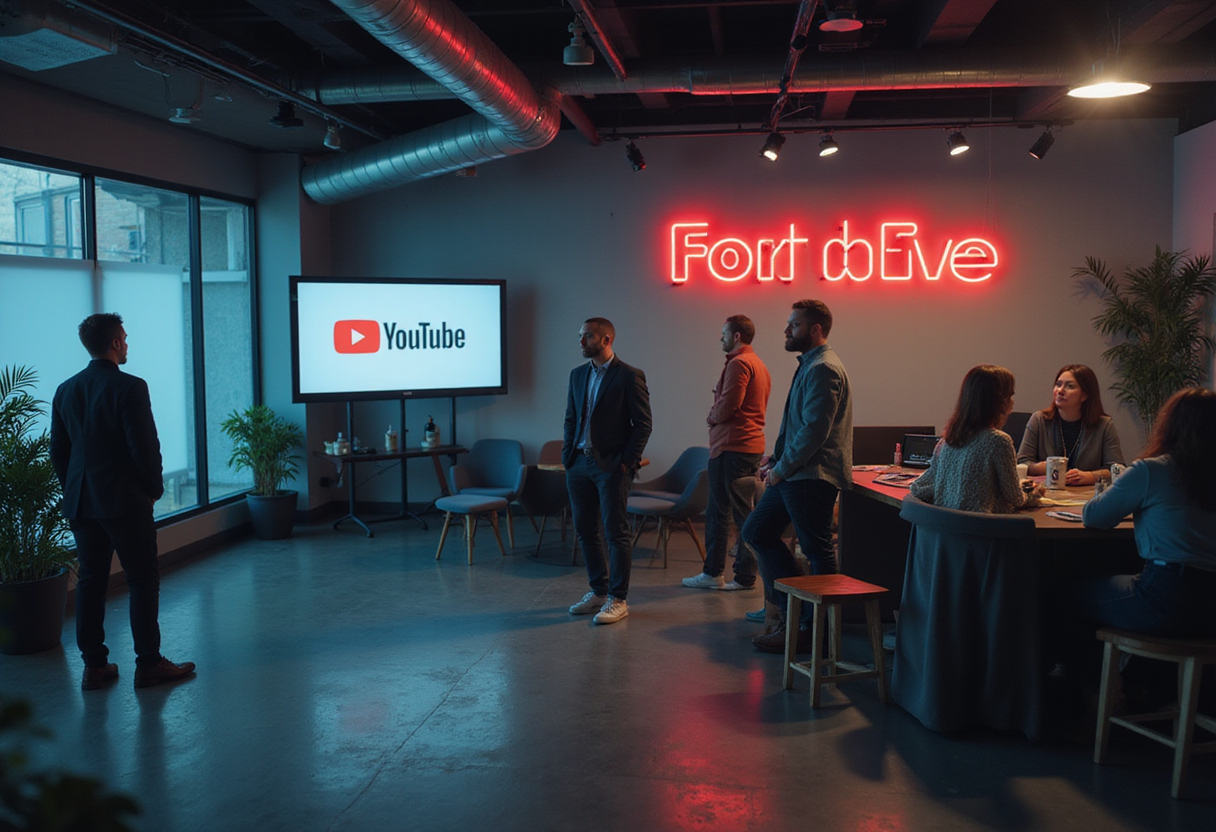
YouTube unveiled a conversational AI editing partner for Shorts and mood-based homepage personalization at its annual Made on YouTube event, rolling out a slate of creator and viewer tools aimed at brands and small businesses.
The Shorts feature lets creators shape vertical clips through a chat interface, removing the need for timeline-based software. YouTube positioned the tool as a way to widen the pool of Shorts publishers at a moment when short-form video has become the default growth lever for direct-to-consumer brands.
A YouTube spokesperson said: "As we enhance our offerings, our commitment to supporting creators and their unique voices remains our priority." The statement framed a suite of product updates covering viewing, live, and audio products.
What changes for viewers?
YouTube will let users assemble personalized homepages by mood, a step beyond watch-history and subscription feeds. The company also launched Ask YouTube, a conversational search surface that returns curated clips for natural-language queries rather than a list of blue links.
For advertisers and small businesses, mood-organized feeds open a new way to pair creative with the mindset a viewer brings to a session. YouTube Studio now returns viewer feedback in tighter cycles, giving brands faster loops between publishing a video and revising the next one.
What is new for live creators?
Live streaming gains real-time auto-dubbing, which translates a creator's audio into other languages as the broadcast runs. YouTube also added Live showdowns, a format that lets two creators share one live room for side-by-side collaboration and cross-promotion.
Auto-dubbing lets a single host reach audiences who do not share a language, a useful lever for small businesses that want to enter new markets without hiring local voice talent. Live showdowns offer small brands a low-cost path to ride the audience of a larger creator and convert cross-viewers into customers.
How does audio fit in?
YouTube introduced Ask Music, a tool for identifying trending tracks that match a brand's tone or campaign theme, and Podcast Lineup, a curated audio queue inside the app. Both give small businesses a way to extend their video playbook into audio formats without leaving the YouTube surface.
Marketers can use these tools to scout trending music and podcast themes before they peak, shortening the research phase of a campaign.
What should small businesses watch?
The product slate lowers the production floor. Conversational editing, mood homepages, and audio discovery let a two-person team publish, distribute, and measure content that previously required an outside agency or a dedicated video editor.
The flip side is operational. Each new feature adds another surface to manage, and brands will need to track which formats their audience uses, refresh creative to fit each one, and avoid leaning so hard on automation that the brand voice flattens. YouTube's own material warned that heavy reliance on AI editing could erode authenticity.
YouTube has not published a date for full rollout of every feature. The announcements set the agenda for how the platform plans to keep creators and advertisers inside its walls through 2026, and they tell small businesses where the next wave of low-cost distribution will land.
Original: blog.google
More from Nathan Brooks
Show full bio
News editor covering regulation, policy and their impact on entrepreneurship, startups and venture funding at Business Bearings.
732 articles