At least 96 Labour MPs urge Burnham to block Rosebank
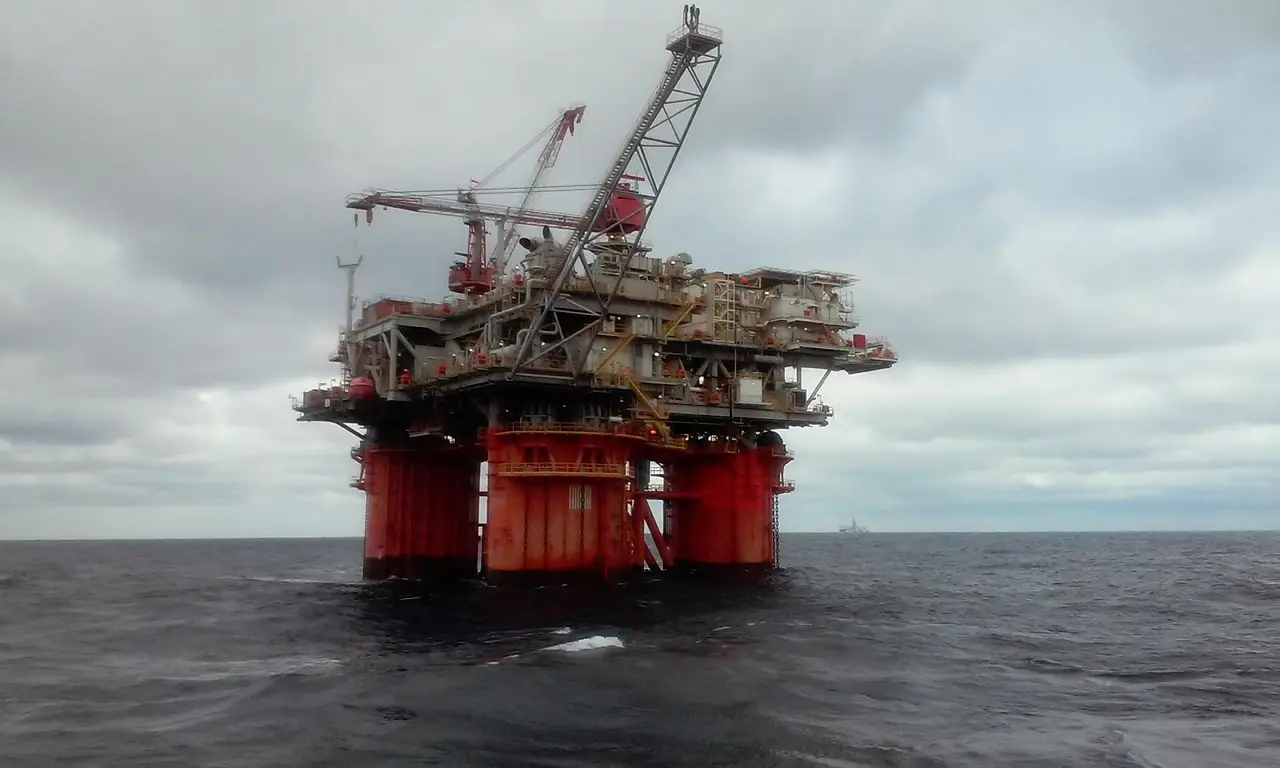
At least 96 Labour MPs urge Andy Burnham to block Rosebank, pitting 500 jobs and £500m in annual tax revenue against an estimated 1m additional tonnes of CO2 by 2042.
By Daniel Okafor
4 min read
What's News
- At least 96 Labour MPs signed the anti-Rosebank letter: 92 backbenchers and at least four frontbenchers.
- Rosebank would create about 500 jobs and generate as much as £500m a year in tax revenue.
- The project would add an estimated 1m tonnes of carbon dioxide by 2042, with most oil exported.
- Ministers approved the smaller Jackdaw gasfield last month; Rosebank still awaits separate environmental permission.
- Labour pledged in 2024 not to grant new North Sea oil or gas licences, but Rosebank already held one.
At least 96 Labour MPs have asked Prime Minister Andy Burnham to block approval of Rosebank, the biggest undeveloped field in UK waters, according to The Guardian. The letter has the signatures of 92 backbenchers and at least four frontbenchers.
How deep is Labour’s split?
The Guardian called the letter the clearest sign yet of Labour’s deep internal rift. Chancellor John Healey and many Scottish MPs support Rosebank. Dozens of Labour MPs oppose the project on climate grounds.
The Guardian also reported that more than one frontbench ministerial aide is considering resignation if Burnham’s government approves Rosebank. That threat turns a policy dispute into a potential cabinet-level test.
Catherine Fookes, the MP for Monmouthshire, helped organize the letter. She said:
“Concern about this project is widespread within the parliamentary Labour party. Some 92 people have signed our letter, and there are more who are worried about Rosebank who haven’t signed it.
“I know the prime minister is a good listener. I hope he will see these names and see the letter and take note and think carefully about oil drilling.”
In a separate article, Fookes linked Rosebank to household costs and climate damage:
“Our continued dependence on fossil fuels is driving up bills, fuelling deadly extreme weather and causing widespread harm to people in this country right now.
“Rosebank will do nothing to reduce energy bills for our constituents. The oil belongs to private companies who will ship it away to the highest bidder.
“If Rosebank is approved, champagne corks will pop in the offices of oil giants. But it will not make an iota of difference to our constituents’ energy bills.
“And it will accelerate the climate crisis, which is already pushing up food bills, dealing devastating floods in winter and in summer turning our green and pleasant land into a parched, burnt-out expanse.”
Why can Labour approve a North Sea oilfield?
The Conservatives initially gave Shell and Equinor permission to operate both fields. Labour promised in its 2024 manifesto not to grant more licences for North Sea oil or gasfields. Ministers approved the smaller Jackdaw gasfield last month. Although both projects already hold licences, Rosebank and Jackdaw still need separate environmental permission, which allows Labour to approve the larger field without breaking its manifesto pledge.
A landmark ruling last year forced Shell and Equinor to resubmit environmental applications for both fields. The ruling required them to count carbon released when the oil and gas is burned, rather than only emissions from the fields themselves.
What do the jobs and emissions mean?
Energy Secretary Miatta Fahnbulleh approved Jackdaw last month. She argued that its additional carbon emissions would be offset by the additional energy security it provided. She said that rationale would not apply to Rosebank because the project would generate far greater emissions.
The field would produce an estimated 1m additional tonnes of carbon dioxide by 2042, and most of its oil would be shipped abroad. Fahnbulleh is understood to lean against approval, according to The Guardian. Yet trade unions and cabinet colleagues, including Healey, are pressing her to proceed. Rosebank would create about 500 jobs and generate as much as £500m a year in tax revenue.
Burnham has said the decision belongs to Fahnbulleh. Labour MPs believe she will have little choice but to approve if he makes his support clear. The MPs opposing Rosebank are trying to persuade him instead to back Fahnbulleh’s opposition, even if that creates a rift with the Treasury.
Can Burnham hold Labour together on Rosebank?
Rosebank and Jackdaw have become the focus of a growing political battle over industrial policy and net zero. The Guardian reported that the dispute threatens to become Burnham’s first major political crisis since he entered Downing Street.
The MPs warned Burnham in their letter:
“Approving Rosebank risks becoming an irreversible ‘point of no return’ for the party’s climate credibility, and risks alienating members of the electorate who have put their trust in our message of hope and positivity.
“We urge you to show that Labour is on the side of the people experiencing climate change’s impacts, not those fuelling it.”
The Guardian reported that many Labour MPs are concerned about Burnham’s climate record after decisions to cut green projects and propose weaker electric vehicle targets. The Conservatives have promised to scrap the Climate Change Act. Reform UK says it will cancel all government green spending if it comes to power. Many Labour MPs want the administration to promote the green agenda instead.
Opponents also make a fiscal argument. Many say the additional 500 jobs should not outweigh climate damage. They argue that the hundreds of millions of pounds in lost revenue could easily be made up elsewhere in the government budget.
Many, but not all, of the signatories sit in seats under threat from the Green party. One MP said blocking Rosebank had become more urgent after climate talks collapsed at the Cop31 summit in Turkey.
“Britain’s role in the world is really important,” the MP said. “If a country like Britain cannot make a decision like this, what hope is there for the rest of the world?”
Burnham now faces a direct choice: back Fahnbulleh’s opposition or signal support for approval. His decision will test whether Labour can defend its climate commitments without breaking its parliamentary unity.
Source: theguardian.com
More from Daniel Okafor
Show full bio
Correspondent covering money, funding and market shifts around entrepreneurship, startups and venture funding at Business Bearings.
2,756 articles