Ring Launches Home Security Drone and $1,000 Business Robot
Ring Robotics debuts a $270 indoor security drone and a $1,000 enterprise robot, both running AI Pilot, as Amazon retries the market Astro failed to crack.
By Daniel Okafor
3 min read
What's News
- Ring Rover Cam goes on sale December 16 at $1,000.
- Ring Drone Cam launches January 27, 2026 at $270.
- Both devices run Ring's proprietary AI Pilot system.
- Amazon's earlier robot Astro launched in 2021 and was retired after seven months as a security product.
- Videos are encrypted with TAKE, which Ring calls its strongest default encryption yet.
Ring will sell a $1,000 enterprise security robot starting December 16, and a $270 home security drone on January 27. The Amazon-owned company announced both devices on Tuesday alongside the launch of its new division, Ring Robotics.
The division marks Ring's move from cameras into autonomous machines. One device patrols homes from the air. The other patrols businesses on wheels. Both run on the same proprietary AI system, which Ring calls AI Pilot.
What does the home drone do?
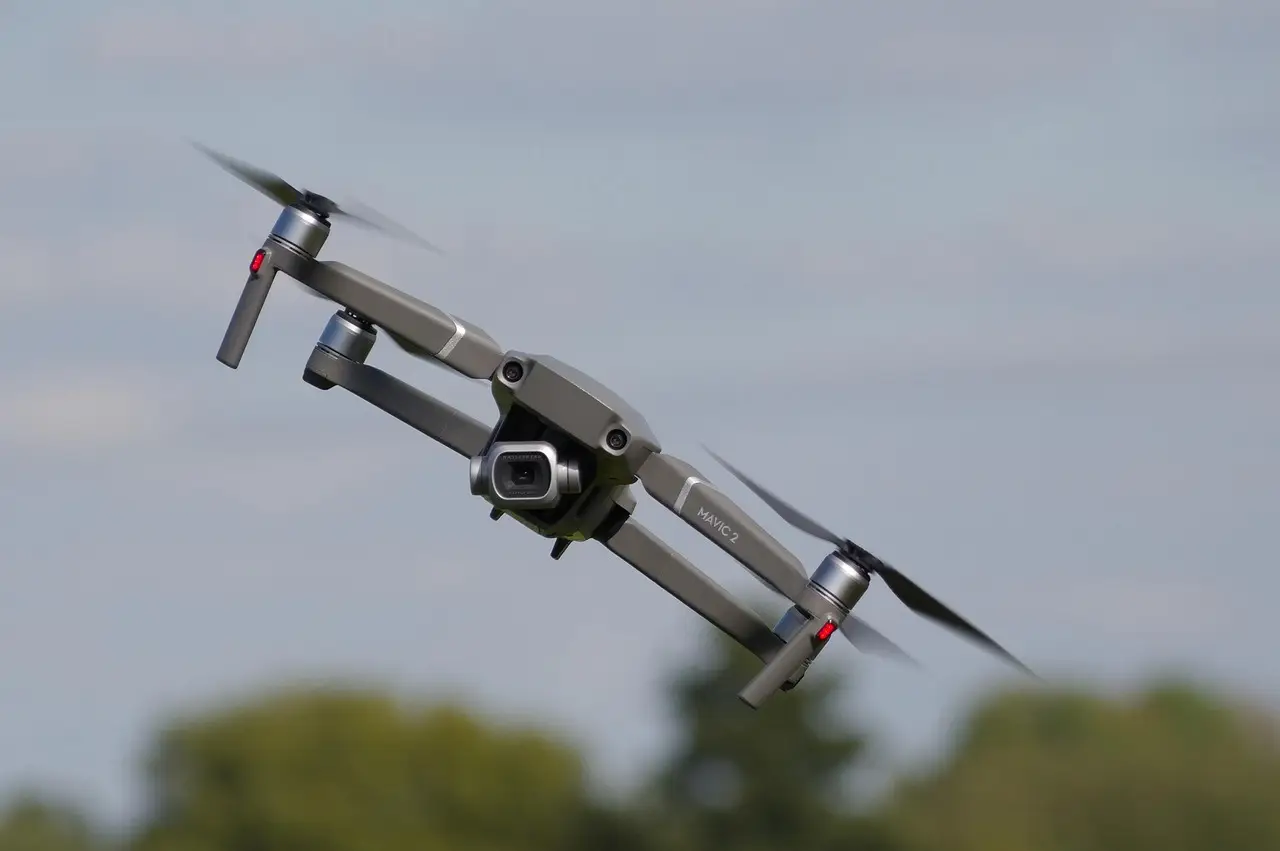
Ring calls the first device a "flying indoor security camera." The product name is Ring Drone Cam. It flies from room to room, inspects the house and alerts the owner when it detects trouble. When idle, it sits inactive in a docking bay.
The drone records video in 2K and carries LED lights, so it can monitor and record in low light or at night. Users control it through Amazon's Alexa Home Map. They can also schedule patrols at set times — useful for a night out or a vacation, since the drone reports what happens while the owner is away.
The device integrates with Ring's existing security hardware. If a Ring alarm goes off at a specific spot, such as the backdoor, the drone flies there and investigates on its own.
What does the business robot offer?
The second device, Ring Rover Cam, targets enterprises. Like the drone, it patrols specific routes at specific times inside a business. It streams continuous 4K video to Ring's mobile app, and a trigger can be set to record automatically when it detects a human.
The robot carries a periscope camera that adjusts to see over obstacles. It includes two-way audio, so a remote user can speak through the machine to someone at the site — an employee or a burglar.
Ring says AI Pilot uses "specialized vision models, sensors, and cloud processing to see, think, and navigate autonomously." Both devices build a detailed map of the home or office by exploring the space themselves, according to the company.
"Together, it's like having a guard on patrol who never clocks out," Ring said of the two devices. "Ring Rover can do a sweep of the floor after close and investigate when sensor trips at 2 a.m. — streaming it all to your phone, wherever you are."
Why the Astro precedent matters
Automated security is a market the tech industry has never cracked. Amazon launched its own home robot, Astro, in 2021. Astro began as a vague domestic helper, then was repurposed as an enterprise security product. It never took off. Seven months into its run as a small-business security guard, Amazon retired the device.
Ring says it built the new robot because of "feedback from Amazon Astro customers." The new Rover closely resembles the failed product it effectively replaces.
Can Ring answer the privacy critics?
Privacy concerns have followed Ring for years. Critics allege the company's cameras have built unofficial surveillance networks that police departments can and routinely do tap. Both new machines carry obvious invasive potential, and similar complaints seem likely.
Ring says it built both devices with "privacy and security" baked in. Videos are protected by TAKE — Throw Away the Key Encryption — which the company calls its "strongest default encryption yet." It remains unclear whether local video storage will be an option; Ring cameras generally record to the cloud.
What happens next?
The Rover reaches the market first, on December 16, at $1,000. The Drone Cam follows on January 27 at $270. The pricing gap signals Ring's bet: businesses pay premium rates for autonomous guards, while consumers get a cheaper flying camera. Whether the second attempt succeeds where Astro failed will test whether the market, not just the technology, has matured.
Original: ring.com
More from Daniel Okafor
Show full bio
Correspondent covering money, funding and market shifts around entrepreneurship, startups and venture funding at Business Bearings.
1,980 articles